The rapid evolution of cloud-native development and DevOps practices is reshaping how enterprises build, test, and deploy software. In this shifting landscape, SPARK Matrix Environment-as-a-Service Platforms are emerging as a critical enabler for organizations seeking agility, scalability, and operational efficiency. QKS Group’s Environment-as-a-Service (EaaS) Platforms market research delivers an in-depth view of the global market, examining emerging technologies, prevailing market trends, and the future outlook shaping this fast-growing segment.
This research is designed to provide strategic clarity for both technology vendors and enterprise users. Vendors gain insights into competitive dynamics and innovation priorities, while users are empowered to evaluate platforms based on functional depth, differentiation, and long-term market positioning. As software delivery cycles continue to shorten and infrastructure complexity increases, Environment-as-a-Service Platforms are becoming foundational to modern application lifecycle management.
Understanding the Environment-as-a-Service Market Landscape
Environment-as-a-Service Platforms address one of the most persistent challenges in software delivery: managing consistent, scalable, and production-like environments across the development lifecycle. Traditional environment management approaches are often manual, fragmented, and prone to delays, leading to bottlenecks between development, testing, and production.
EaaS platforms redefine this model by enabling automated, on-demand environment provisioning. These environments are designed to be ephemeral, reproducible, and tightly governed, ensuring teams can innovate without compromising control or compliance.
Key drivers shaping the EaaS market include:
- Accelerated adoption of cloud-native and microservices architectures
- Growing reliance on CI/CD pipelines and DevOps automation
- Increasing pressure to reduce infrastructure costs and operational overhead
- Demand for faster release cycles and improved developer experience
Against this backdrop, SPARK Matrix Environment-as-a-Service Platforms analysis helps organizations understand how leading vendors are addressing these needs at scale.
Strategic Value for Vendors and Enterprise Users
QKS Group’s research delivers value across the ecosystem by addressing distinct stakeholder priorities.
For technology vendors:
- Clear visibility into competitive benchmarks and innovation gaps
- Insights into evolving buyer expectations and enterprise adoption patterns
- Guidance on positioning strategies and go-to-market differentiation
For enterprise users:
- A structured framework to evaluate vendor capabilities
- Comparative insights into platform maturity, scalability, and governance
- Support for informed investment and platform selection decisions
By combining market intelligence with structured vendor evaluation, the research enables stakeholders to navigate a crowded and rapidly evolving marketplace with confidence.
SPARK Matrix™: Competitive Evaluation Framework
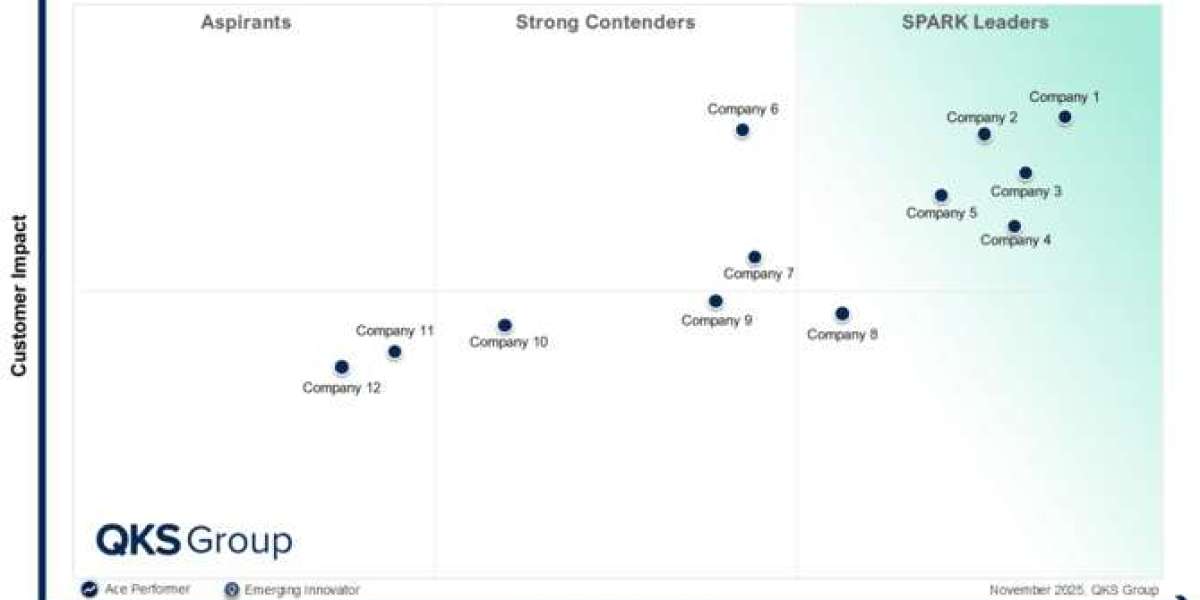
At the core of this research lies the proprietary SPARK Matrix analysis. This framework provides a comprehensive evaluation of Environment-as-a-Service Platform vendors based on two primary dimensions: technology excellence and customer impact.
The SPARK Matrix visually ranks and positions vendors with a global footprint, offering a clear snapshot of the competitive landscape. It highlights how vendors differentiate themselves through automation depth, integration capabilities, scalability, and ecosystem alignment.
The analysis includes leading vendors such as:
- CloudShare
- Garden. io
- Humanitec
- Mia-Platform
- Microsoft
- Okteto
- Port.io
- Qovery
- Quali
- Rafay
- Release
- Roost.ai
Each vendor is assessed on its ability to deliver consistent, policy-driven environments while supporting modern development workflows and enterprise governance requirements.
Core Capabilities Defining Modern EaaS Platforms
Environment-as-a-Service Platforms are no longer niche DevOps tools; they are becoming strategic infrastructure layers. The research highlights several core capabilities that define leading solutions:
Key functional strengths include:
- Automated provisioning and orchestration of environments
- Seamless integration with CI/CD pipelines and IaC frameworks
- Support for cloud-native and containerized workloads
- Policy-driven governance and access control
- Cost optimization through ephemeral and on-demand environments
These capabilities allow platform and DevOps teams to move away from manual, ticket-driven processes toward self-service models that enhance speed and reliability.
Market Trends and Future Outlook
The EaaS market is expected to witness sustained growth as organizations modernize delivery pipelines and embrace platform engineering practices. Enterprises are increasingly standardizing environment management to reduce complexity and eliminate inconsistencies between development, staging, and production.
In the middle of this transformation, SPARK Matrix Environment-as-a-Service Platforms research highlights a shift toward:
- Greater emphasis on developer experience and self-service
- Deeper integration with platform engineering toolchains
- Enhanced governance to support regulated industries
- Increased focus on cost visibility and optimization
As organizations scale cloud adoption, EaaS platforms are positioned to become a cornerstone of continuous delivery strategies.
Why Environment-as-a-Service Is Becoming Foundational
Modern enterprises are under constant pressure to deliver faster without sacrificing quality or security. Environment-as-a-Service Platforms enable this balance by standardizing environments while preserving flexibility. By automating environment lifecycles and embedding governance into workflows, these platforms help teams achieve consistency at scale.
They also play a crucial role in aligning development velocity with operational control, ensuring that innovation does not come at the cost of reliability or compliance.
Conclusion
As software development becomes increasingly complex and distributed, Environment-as-a-Service Platforms are emerging as a strategic necessity rather than an optional enhancement. QKS Group’s market research and SPARK Matrix evaluation provide a clear, structured view of how vendors are responding to enterprise demands and where the market is headed.
By offering deep insights into technology trends, competitive positioning, and future opportunities, SPARK Matrix Environment-as-a-Service Platforms research equips organizations to make informed decisions in a rapidly evolving ecosystem. As cloud-native delivery models continue to mature, EaaS will remain a critical enabler of speed, consistency, and scalable innovation.
#EnvironmentAsAService #SPARKMatrix #DevOpsPlatforms #CloudNative #PlatformEngineering