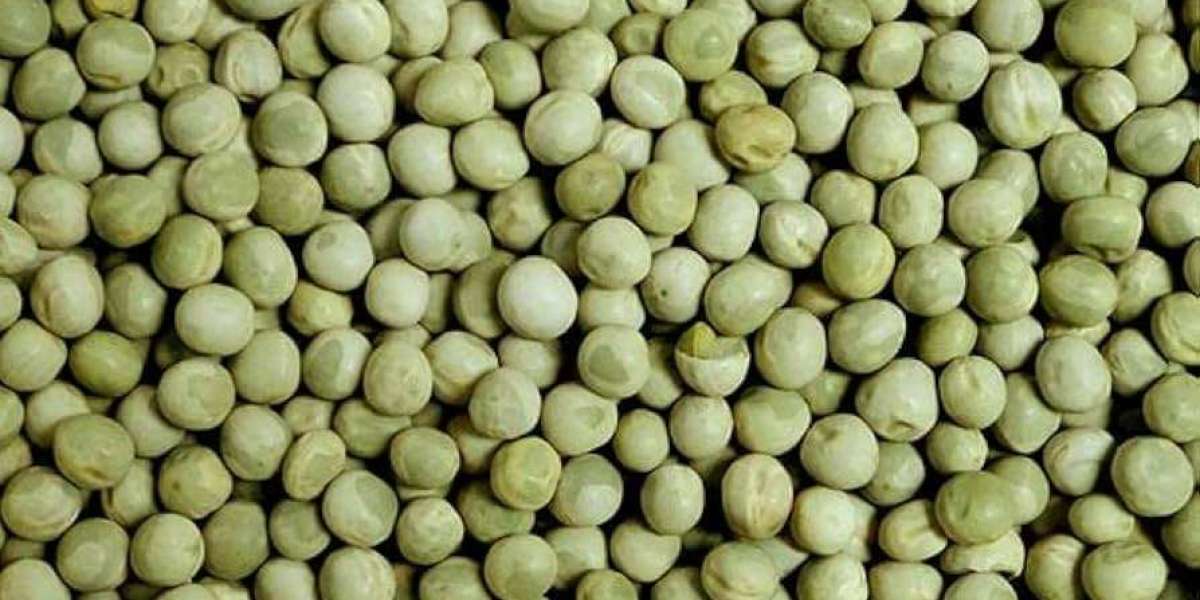
The dried peas market is transitioning from a largely commodity-driven pulse category into a strategically important ingredient-and-food-security segment as consumers, food manufacturers, and governments prioritize affordable plant protein, dietary fiber, and resilient crop supply chains. Dried peas—primarily yellow and green peas—are traded globally as whole peas, splits, and milled forms such as pea flour, pea starch, and pea protein-rich fractions. They are consumed directly in traditional cuisines and increasingly used as functional ingredients in soups, snacks, bakery, ready meals, and meat and dairy alternatives. Between 2025 and 2034, the market outlook is expected to be shaped by a push-pull dynamic: on one side, rising demand for plant-based nutrition, clean-label formulations, and cost-effective protein; and on the other, yield volatility from weather extremes, price sensitivity in bulk channels, and ongoing quality and functionality requirements for food-grade and fractionated pea ingredients. As a nitrogen-fixing crop that can support soil health and crop rotation value, dried peas also benefit from sustainability narratives, creating a dual role as both a staple food and a modern ingredient platform.
Market Overview and Industry Structure
The Dried Peas Market was valued at $6.98 billion in 2025 and is projected to reach $13.98 billion by 2034, growing at a CAGR of 8.03%.
The dried peas value chain begins with farm production and aggregation, followed by cleaning, grading, splitting, and in many cases milling or fractionation into higher-value ingredients. Traditional market demand is anchored in whole and split peas used in household cooking, foodservice, and packaged staples. In parallel, industrial demand has expanded through ingredient processors and food manufacturers seeking pea-based solutions for protein fortification, texture, binding, and fiber enrichment. This creates two overlapping supply streams: (1) commodity-grade pulses optimized for volume and price competitiveness, and (2) food-grade and ingredient-grade peas optimized for purity, color, low off-notes, consistent hydration behavior, and functional performance in formulations.
Industry structure includes growers and cooperatives, grain handlers and exporters, pulse processors, ingredient manufacturers, packaged food brands, and distributors serving retail and foodservice. Trade flows are a defining feature: dried peas are widely exported from major producing regions to deficit markets, and prices are strongly influenced by harvest outcomes, logistics capacity, and policy dynamics. The market also depends heavily on quality management—moisture, foreign matter, split integrity, color, and microbial controls—because buyers increasingly demand standardized specs suitable for automated food manufacturing and longer shelf-life requirements.
Industry Size, Share, and Market Positioning
Dried peas compete within the broader pulses and plant protein landscape, alongside lentils, chickpeas, beans, soy-based ingredients, and emerging proteins. Their market position is anchored in four advantages: affordability per serving, strong nutrition profile (protein and fiber), versatile formats (whole, split, flour, protein/starch fractions), and broad cultural acceptance in many cuisines. However, “share” is increasingly shaped by application performance and buyer requirements rather than only volume. In consumer foods, peas must meet taste and texture expectations, while in industrial ingredients, they must deliver consistent solubility, emulsification, and gelling performance depending on the end product.
Over the forecast period, value growth is expected to outpace pure volume growth as a larger share of peas move into differentiated channels—food-grade contracts, identity-preserved lots, fractionated ingredients, and branded or certified offerings. At the same time, commodity markets will remain structurally important, especially in price-sensitive regions where peas serve as a staple protein and a key input into affordable packaged foods.
Key Growth Trends Shaping 2025–2034
One major trend is the steady expansion of peas as a mainstream plant-based ingredient beyond niche “alt-protein” products. Food manufacturers are using pea flour and pea-derived components to boost protein and fiber claims in snacks, baked goods, instant meals, and nutrition products, often because peas offer a balanced cost-to-functionality profile. A second trend is the continued evolution of processing technology. Improved dehulling, splitting, air classification, and fractionation methods are enabling better consistency and higher-value outputs, supporting premium pricing where taste, color, and performance are tightly specified.
Third, the market is seeing increased emphasis on flavor and sensory optimization. Pea-based ingredients can introduce off-notes if not processed and formulated carefully, so suppliers are investing in processing refinements, blending strategies, and application support to help customers reach cleaner taste profiles. Fourth, supply-chain segmentation is increasing. Buyers that need consistent food-grade specs are moving toward contracts, traceability, and tighter quality protocols, while bulk commodity channels remain more exposed to spot pricing and seasonal volatility. Fifth, sustainability and regenerative narratives are becoming more commercially relevant. Because peas fix nitrogen and can reduce fertilizer dependence in crop rotations, producers and downstream brands are increasingly positioning peas as a climate-aligned ingredient, especially in markets where sustainability labeling and reporting are rising in importance.
Core Drivers of Demand
The most fundamental driver is global demand for affordable, nutrient-dense protein. Dried peas provide a practical nutrition solution for households and institutional buyers, particularly where meat prices are high or where diets are shifting toward more plant-forward patterns. Another major driver is food formulation economics. Compared with some alternative proteins, pea-based ingredients can offer attractive cost and functional value—supporting protein fortification, improved texture, and clean-label positioning. Demand is also supported by health and wellness priorities; fiber-rich pulses align with digestive health, satiety, and balanced diet messaging, reinforcing inclusion in modern packaged foods.
A further driver is food security policy and resilience thinking. Many countries and institutions view pulses as strategic staples that can help stabilize protein availability and diversify supply chains. In addition, changing retail behavior supports demand for shelf-stable, pantry-friendly foods, particularly as consumers seek convenient, long-life proteins that fit budget constraints. Finally, the growth of plant-based product innovation continues to create pull-through demand for pea fractions, especially where formulators want allergen-friendly alternatives to soy and where label simplicity matters.
Challenges and Constraints
The dried peas market faces constraints that will shape competitive outcomes through 2034. Weather-driven yield volatility is one of the most important risks, as droughts, heat waves, and excessive rainfall can reduce volumes and impact quality parameters such as size uniformity and color. Price cyclicality is another constraint: peas are sensitive to global supply swings, and when prices rise sharply, some buyers reformulate, reduce inclusion rates, or shift to substitute pulses and proteins.
Quality consistency is a practical challenge for ingredient-grade and food-grade channels. Manufacturers require stable hydration behavior, low foreign matter, consistent splits, and controlled microbial load—especially for ready-to-eat and minimally processed foods. Sensory performance also remains a constraint in certain applications; managing taste and aroma requires processing sophistication and formulation expertise. Trade and logistics dynamics can add friction as well, especially where export availability, port capacity, or policy shifts influence supply continuity. Finally, as peas move into higher-value ingredient uses, buyers demand stronger documentation, traceability, and compliance alignment—raising the operational bar for suppliers that historically served commodity channels.
Browse more information
https://www.oganalysis.com/industry-reports/dried-peas-market
Segmentation Outlook
By product form, whole and split peas remain the volume foundation, while pea flour and fractionated ingredients are expected to grow faster due to packaged food innovation and protein-fortification demand. By end use, household staples and traditional foods remain large, but higher growth is expected in snacks, convenience foods, nutrition products, and plant-forward formulations using pea-derived components for texture and protein enrichment. By channel, bulk commodity trade remains central, while contract-based food-grade supply, identity-preserved sourcing, and ingredient partnerships expand in importance as manufacturers seek reliability. By geography, consumption growth is supported both by mature pulse-consuming regions and by newer markets where health-driven and plant-forward eating is increasing.
Key Market Players
- Archer Daniels Midland
- AGT Food and Ingredients
- Ceres Global
- Batory Foods
- Ingredion
- Parakh Agro Industries
- Agrocorp International
- Blue Sky Organic Farms
- Palouse Brand
- Goya Foods
- BroadGrain Commodities
- Simpson Seeds
- Woodland Foods
- Marrow Fine Foods
- Viterra
Competitive Landscape and Strategy Themes
Competition is defined by cost efficiency in commodity channels and by quality/processing capability in value-added channels. Leading strategies through 2034 are likely to include: securing reliable origination with quality segregation; investing in modern cleaning, splitting, and milling infrastructure; expanding fractionation and specialty ingredient capacity; and building application support capabilities that help customers optimize formulation performance. Suppliers that can consistently deliver low-variation food-grade peas, provide traceability and compliance documentation, and support clean sensory outcomes are positioned to gain share as the market premiumizes.
Partnership strategies are also becoming more important. Ingredient suppliers increasingly collaborate with food manufacturers to develop tailored pea-based solutions—specific particle sizes, functional blends, or customized specs—creating stickier relationships and higher switching costs. In commodity markets, logistics reliability, contract performance, and risk management tools (inventory planning, multi-origin sourcing) remain critical differentiators.
Regional Dynamics (2025–2034)
Asia-Pacific is expected to show steady demand growth driven by population scale, rising packaged food consumption, and increasing interest in affordable plant protein, with growth shaped by import needs and price competitiveness. North America is likely to remain influential in both supply and ingredient innovation, with continued development of value-added pea fractions and broad use in protein fortification and plant-forward product pipelines. Europe is expected to maintain strong momentum supported by sustainability-driven consumption, plant-forward dietary trends, and a strong push for diversified protein sources—encouraging growth in food-grade and certified supply chains. Latin America offers selective upside where pulse consumption expands and where export and processing investments improve market access, though affordability and local supply dynamics will shape penetration. Middle East & Africa growth is expected to be uneven but meaningful in food security and staple consumption segments, with demand influenced by import availability, price volatility, and the expansion of shelf-stable packaged foods.
Forecast Perspective (2025–2034)
From 2025 to 2034, the dried peas market is positioned for durable growth as pulses become more central to affordable nutrition, plant-forward diets, and resilient food systems. The market’s center of gravity gradually shifts from bulk commodity orientation toward a more segmented structure where food-grade quality, functional ingredient performance, and traceability carry increasing value. Growth will be strongest in value-added formats—splits optimized for packaged foods, pea flour, and fractionated ingredients that enable protein and fiber enrichment—while commodity channels remain vital but more exposed to cyclical pricing. By 2034, dried peas are likely to be viewed not only as a staple pulse but as a versatile, strategic ingredient platform—supporting both everyday nutrition and the next generation of affordable, clean-label, plant-forward foods.
Browse Related Reports
https://www.oganalysis.com/industry-reports/dried-peas-market
https://www.oganalysis.com/industry-reports/grain-products-market
https://www.oganalysis.com/industry-reports/flour-market
https://www.oganalysis.com/industry-reports/rice-market
https://www.oganalysis.com/industry-reports/potato-starch-market