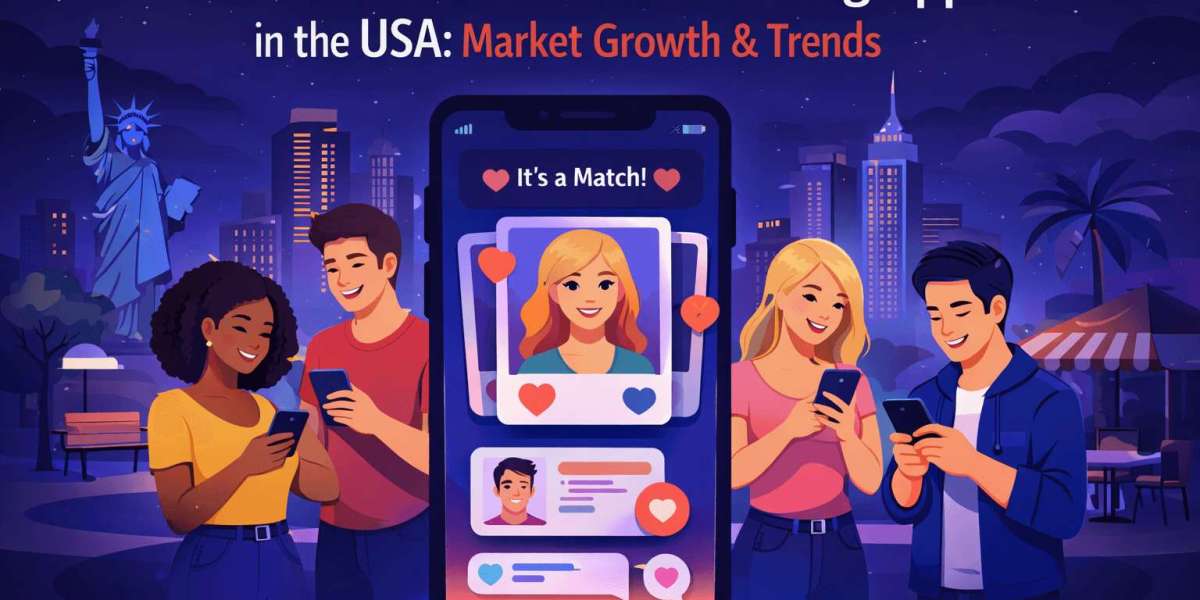
In recent years, on-demand dating apps have surged in popularity across the United States, transforming the way people connect and form relationships. With the convenience of technology at their fingertips, users are increasingly turning to these platforms for quick and accessible dating experiences. This article explores the remarkable growth of on-demand dating apps, delving into market statistics, user demographics, and the technological innovations driving their evolution. Additionally, we will examine the key players in the industry, the challenges they face, and future trends that may shape the dating landscape. As societal norms and dating behaviors continue to evolve, understanding this dynamic market becomes essential for both users and industry stakeholders alike.
Overview of On-Demand Dating Apps in the USA
Definition and Functionality
On-demand dating apps are like the fast-food of romance—quick, convenient, and sometimes a bit greasy. These platforms allow users to find potential matches in real-time, using location-based services to connect individuals within their proximity. With a simple swipe, a quick chat, or a "let’s meet up" button, dating apps streamline the matchmaking process, providing instant access to potential partners at the tap of a finger. Think of it as Tinder on steroids, but without the gym membership.
Historical Context and Evolution
Once upon a time, courting involved awkward encounters in local diners or being set up by your best friend’s equally clueless parents. Fast forward to the late 90s, when online dating began with sites like Match.com and Eharmony. Fast forward again to the 2010s, and the landscape exploded with mobile apps. With the likes of Tinder leading the charge, dating evolved into quick swipes and ghosting etiquette. Now, on-demand apps embrace spontaneity, allowing love (or a fling) to flourish at the speed of a text message.
Market Growth: Statistics and Projections
Current Market Size and Revenue Analysis
The on-demand dating app market is booming faster than your great-aunt can say, “You’re still single?” As of 2023, the market is estimated to reach $4 billion, buoyed by millions of active users looking to find love—or at least someone to binge-watch their favorite series with. Apps monetize through in-app purchases, subscriptions, and advertising, effectively transforming our collective quest for connection into a lucrative industry.
Future Growth Forecasts
Looking ahead, industry analysts project a compound annual growth rate (CAGR) of about 8% through the next five years. This means more swipes, more matches, and, most importantly, more chances to accidentally show up at the same café as your ex. As technology continues to improve and societal norms around dating evolve, expect apps to not just grow in numbers but to diversify their offerings, catering to niche markets and interests (yes, there’s an app for cat lovers coming soon).
Key Players in the On-Demand Dating App Market
Major Companies and Their Offerings
In the competitive landscape of on-demand dating, several key players dominate the scene. Tinder, with its iconic swipe feature, remains a crowd favorite. Bumble has carved out a niche by empowering women to make the first move. Then there’s Hinge, your friendly neighborhood app that markets itself as “designed to be deleted”—a high bar for commitment! New entrants also emerge, focusing on specific demographics or interests, proving there’s truly an app for everyone (even that guy who only talks about his Dungeons & Dragons campaign).
Competitive Landscape and Market Share
The dating app arena resembles the Wild West, with players jockeying for position and market share. Tinder currently commands approximately 30% of the market, followed closely by Bumble and Hinge, each holding their ground with unique selling propositions. However, the landscape is dynamic, with emerging apps and shifting user preferences constantly reshaping the competition. As viral marketing and social media play increasingly pivotal roles, the next big player could just be a meme away.
User Demographics and Behavioral Trends
Age and Gender Breakdown
When it comes to on-demand dating, millennials and Gen Z are the daring explorers, making up over 70% of the user base. But let’s not forget about the older generations who are also getting in on the action—hey, love knows no age! Gender-wise, while apps tend to skew towards more female users, male engagement often skyrockets, creating a digital dating scene that’s as varied as a box of chocolates (you just never know what you’re going to get).
Usage Patterns and Preferences
Users of on-demand dating apps are not just swiping away mindlessly; they have preferences and patterns. A study revealed that most matches happen during the week, especially Sunday evenings when folks recover from weekend socialization (cue the "I should really try to date" epiphany). In-app features like video calls and virtual dates also gain traction, suggesting that users are looking for more meaningful interactions—even if they still want the option to bail at a moment’s notice if things get weird!
Impact of Technology on Dating Preferences
Mobile Technology and User Experience
In a world where we expect everything delivered at the speed of light—food, rides, and now love—it’s no surprise that mobile technology has transformed dating preferences. On-demand dating apps allow users to swipe, match, and chat all from the comfort of their couches (or while pretending to be productive at work). The user experience has become sleek and simple, prioritizing ease of use with swiping mechanics, quick chat features, and instant notifications that keep the adrenaline pumping. It’s like online shopping, but instead of new shoes, you’re trying to find someone who loves dogs and cuddling as much as you do.
Innovations in Matching Algorithms
Gone are the days of throwing darts at a board of potential partners. Today’s dating apps are bolstered by sophisticated matching algorithms that analyze user preferences, behaviors, and even social media activity (yes, they know what you’ve liked on Instagram). These algorithms assess compatibility beyond just “likes” and “hobbies,” diving into the rich tapestry of human interaction to put together matches that are more scientifically intriguing than a Netflix rom-com plot twist. The result? A higher success rate for users and a dramatic increase in couples that meet over a shared love of obscure indie bands.
The Role of Social Media in Promoting Dating Apps
Integration with Social Platforms
If you thought dating apps weren’t already entwined with social media, think again! Modern apps are seamlessly integrating with platforms like Facebook, Instagram, and Snapchat, allowing users to showcase their personality through photos, stories, and memes. This integration not only streamlines the sign-up process (no one has time to create another profile!) but also makes it easier to verify identities. After all, no one wants to match with a “catfish,” unless, of course, that catfish is really cute.
Influencer Marketing and User Engagement
Enter the world of influencer marketing, where dating apps have teamed up with social media stars to spread the word faster than gossip in a high school hallway. These influencers share their experiences, tips, and even cringe-worthy dating stories, making the idea of swiping less daunting and way more relatable. By harnessing the power of social proof, dating apps can engage users and build communities that feel like they’re part of something slightly less scary than a blind date with a stranger from the internet.
Challenges and Controversies in the Industry
Safety and Privacy Concerns
While the world swipes left and right in search of romance, safety and privacy remain hot-button issues. After all, sharing your deepest secrets and quirkiest interests online can feel a bit like handing your diary to a stranger. From fake profiles to unsolicited messages, users face real concerns about their safety. Dating apps have to balance the need for a fun and engaging platform with the responsibility of ensuring their users feel secure. All this requires robust verification processes and increased transparency—because no one wants to discover that their match is actually a fictional character.
Regulatory Issues and Compliance
As dating apps continue to burgeon, they find themselves navigating the murky waters of regulations and compliance. Laws regarding data protection, age verification, and user consent can vary widely and often feel about as clear as mud. Apps must tread carefully to avoid running afoul of regulations while still providing a platform that appeals to users. It's like trying to date while simultaneously ensuring that your mom approves of your partner—it can be a delicate dance!
Future Trends and Predictions for On-Demand Dating Apps
Emerging Features and Technologies
As we look to the future, the next wave of on-demand dating apps is gearing up to incorporate emerging technologies like virtual reality (VR) and artificial intelligence (AI). Imagine going on a virtual date before committing to the real thing, or having an AI buddy to help you craft the perfect pickup line—because we all know that can be a challenge! These innovations are poised to create immersive, personalized dating experiences, making the search for love even more exciting and less awkward.
Potential Market Disruptors
Keep an eye out for potential market disruptors, such as niche dating apps catering to specific interests or demographics. Whether it’s vegan singles, book lovers, or introverts, these specialized platforms could redefine the dating landscape by giving users more options tailored to their unique preferences. Moreover, as traditional dating constructs evolve, we might see an increase in collaborative apps that focus on group dating or social experiences—because sometimes, it’s easier to dive into the dating pool with a buddy (or two).As the on-demand dating app market continues to evolve, it is clear that these platforms are reshaping the way individuals meet and connect. With advancements in technology, changing user preferences, and a competitive landscape, the future of dating looks promising yet challenging. By staying informed about market trends and emerging technologies, users and industry professionals can better navigate this dynamic environment. Ultimately, the rise of on-demand dating apps reflects a broader shift in societal attitudes towards relationships, making it an exciting time for both those seeking connection and those innovating within the space.
Frequently Asked Questions
What are on-demand dating apps?
On-demand dating apps are mobile platforms that facilitate real-time connections between users looking for romantic relationships or casual encounters, allowing them to communicate and meet up quickly based on location and preferences.
How has the market for on-demand dating apps grown in recent years?
The market for on-demand dating apps has seen significant growth, with increasing user adoption and revenue. Recent statistics indicate substantial increases in downloads and engagement, demonstrating a shift in how people approach dating.
What demographics are most commonly using on-demand dating apps?
While users vary widely, younger demographics, particularly those aged 18 to 34, are the most active on on-demand dating apps. However, trends show an increasing interest among older age groups as well.
What challenges do on-demand dating apps face?
On-demand dating apps face various challenges, including safety and privacy concerns, regulatory issues, and the need to stand out in a crowded market. Addressing these challenges is crucial for maintaining user trust and satisfaction.