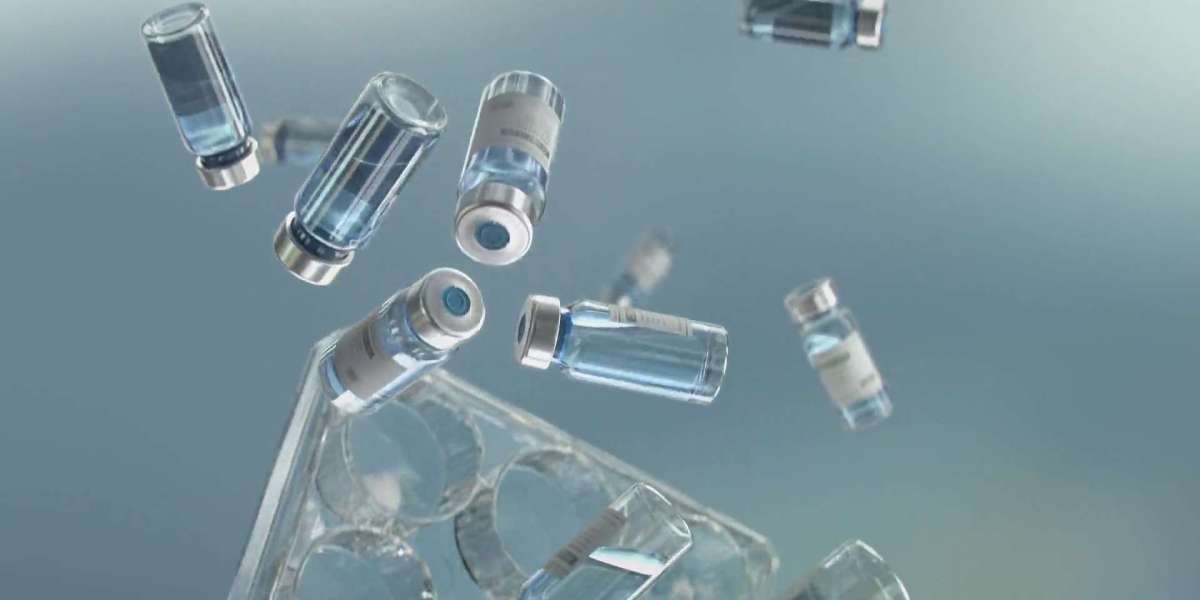
In the evolving world of healthcare, conveying complex medical concepts effectively is critical. Traditional methods such as textbooks, diagrams, or even live demonstrations often fall short in providing clear, immersive understanding. This is where 3D medical animation has emerged as a transformative tool. By turning intricate procedures, cellular processes, and anatomical structures into visually dynamic content, healthcare professionals, educators, and patients gain unparalleled clarity. These animations not only illustrate medical realities accurately but also enhance learning, communication, and patient engagement, bridging the gap between technical complexity and comprehensible knowledge.
Understanding 3D Medical Animation
At its core, 3D medical animation is the process of creating highly detailed, three-dimensional representations of biological structures, medical procedures, and physiological processes. Unlike traditional illustrations or static images, these animations allow for dynamic perspectives, zoom-ins, rotations, and step-by-step visual explanations. Modern animation tools enable the creation of lifelike textures, realistic lighting, and precise motion simulations, ensuring that every detail—from microscopic cellular functions to complex surgical procedures—is accurately represented.
These animations serve multiple audiences. For patients, they provide a clear understanding of a diagnosis or treatment plan. For medical students and professionals, they offer an immersive learning environment that helps visualize anatomy, pathology, and medical interventions in ways that textbooks cannot match. Furthermore, advancements in rendering technologies and AI-enhanced workflows allow for faster production of high-fidelity animations without compromising scientific accuracy.
Benefits for Patient Education
One of the most significant advantages of 3D medical animation lies in patient education. Healthcare can be intimidating, and complex medical terminology often leaves patients confused or anxious. Animations bridge this gap by transforming dense information into accessible visual narratives. For instance, a patient diagnosed with heart disease can watch a 3D animation showing blood flow, plaque formation, and the impact of surgical interventions. This clarity fosters better understanding, compliance, and trust in medical professionals.
Moreover, these animations can be customized to individual cases, showing how a specific treatment affects the patient’s body. This personalized approach enhances engagement and retention of information. Hospitals, clinics, and telemedicine platforms are increasingly integrating 3D medical animations into their patient communication strategies, recognizing their role in improving health literacy and patient satisfaction.
Role in Medical Training and Simulation
Medical education and training benefit immensely from 3D medical animation. Traditional cadaver dissections, while valuable, offer limited perspectives and cannot demonstrate real-time physiological processes or surgical procedures. Animations, on the other hand, provide fully controllable, repeatable simulations that illustrate complex anatomical and clinical scenarios.
For instance, surgical trainees can study a virtual representation of a procedure, observing each step, angle, and tool placement in a risk-free environment. Animations can also simulate rare conditions that students may not encounter during practical training, ensuring comprehensive exposure to diverse medical scenarios. By integrating these animations into e-learning modules, workshops, and virtual simulations, medical institutions can enhance competency, precision, and confidence among professionals before they enter real-world practice.
Integrating AI for Enhanced Medical Visualizations
The intersection of 3D medical animation and artificial intelligence is redefining the speed and sophistication of medical visualizations. AI algorithms can automate labor-intensive processes such as modeling, rendering, and motion tracking, allowing creators to focus on scientific accuracy and storytelling. Additionally, AI-driven analytics can adapt animations based on user interaction, offering personalized learning experiences for both patients and healthcare professionals.
For example, an AI-enhanced animation platform could track a student’s engagement with specific anatomical structures and dynamically highlight areas that need further attention. Similarly, AI integration can streamline the creation of complex simulations, reducing production timelines without compromising quality. This combination of animation and AI ultimately provides healthcare providers with versatile, interactive, and visually compelling tools for education, training, and communication.
Applications Across Healthcare and Beyond
Beyond patient education and medical training, 3D medical animation is increasingly utilized in various aspects of healthcare communication and marketing. Pharmaceutical companies leverage these animations to illustrate drug mechanisms, clinical trial processes, and treatment pathways to stakeholders. Hospitals and clinics use animations to explain cutting-edge surgical procedures or advanced therapies to prospective patients. Even research publications and conferences now employ these visualizations to present data more compellingly and accessibly.
The flexibility of 3D medical animation ensures that it adapts to evolving needs. With the addition of virtual reality (VR) and augmented reality (AR) platforms, viewers can interact with simulations in immersive environments. This capability opens the door for hands-on learning and remote patient engagement, further amplifying the impact of these visual storytelling tools in healthcare.
Conclusion
3D medical animation has revolutionized the way healthcare communicates knowledge, educates patients, and trains professionals. By transforming complex anatomical structures, medical procedures, and physiological processes into clear, engaging, and accurate visual narratives, it ensures better understanding, retention, and interaction. The integration of AI further accelerates production, personalizes learning, and enhances precision, solidifying its role as an indispensable tool in modern medicine. For healthcare providers, educators, and patients alike, 3D medical animation is not just a technological innovation—it is a gateway to deeper understanding, more effective communication, and improved health outcomes.