PET Plastic Is Everywhere Around Us
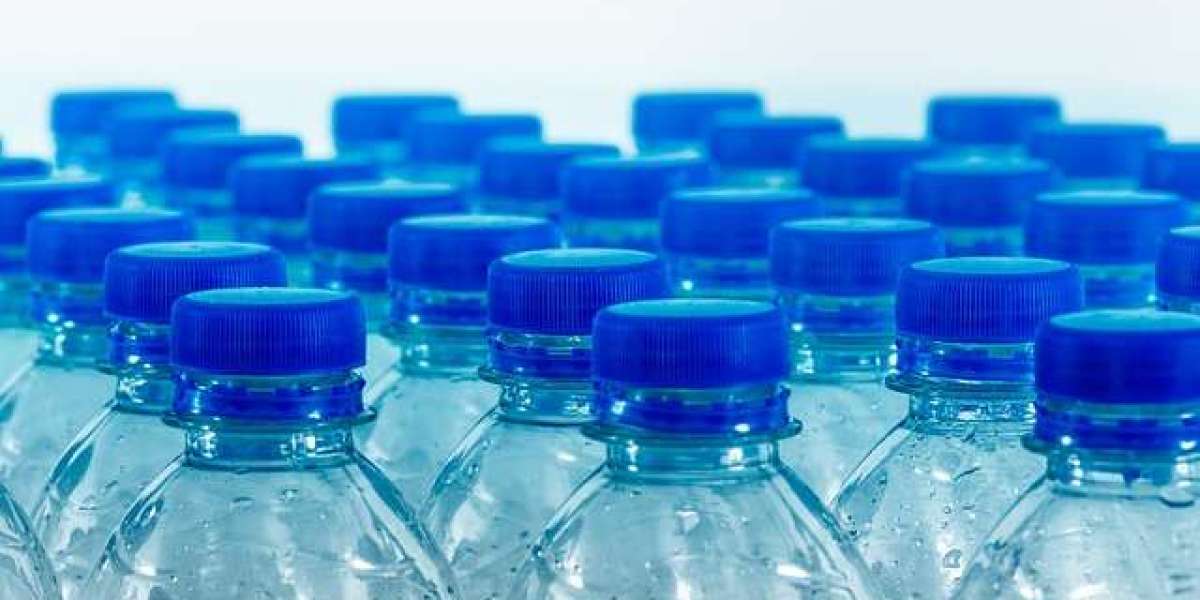
Take a moment to observe your surroundings. Do you see your food containers, medicine bottles, and even your water bottles? All of these items are made from PET. PET is a versatile plastic that is transparent, and strong and most importantly, it is recyclable.
The interest in PET continues to grow in the manufacturing and packaging industries. According to GMI Research, the India Polyethylene Terephthalate (PET) Market is forecasted to grow at a CAGR of 7.1% until 2032. This growth is indicative of the increasing demand for PET and the growing manufacturing and packaging industries.
What is PET, and why is it ubiquitous?
What PET Truly Is
Polyethylene Terephthalate (commonly abbreviated PET) is a fully clear and fairly strong plastic. Polyethylene is cloudy by itself, but when mixed with terephthalate, it turns clear, which opens a world of possibilities.
PET is a thermoplastic which means it can be melted and reshaped repeatedly without any change in its molecular structure. Because of this, PET is often recyclable. The number one recycle code on plastic bottles is PET.
PET is moisture, impact, and chemical resistant. It is food and drink safe, can be used in glass's place in many uses with a much lower weight.
How PET Plastic Is Created
A certain combination of raw components undergoes a chemical reaction to form a paste which is produced in fiber, sheet and molded form depending on the purpose.
This is how different products such as baby bottles, food containers and water bottles are created from the same material.
Properties That Make PET So Useful
Manufacturers appreciate PET for a range of particular reasons.
It is both lightweight and strong.
It is not prone to cracking.
It is resistant to gas and moisture.
It performs well over a range of temperatures.
It is safe for use with foods and beverages.
It is resistant to alcohol, oils, and grease.
It is a good insulator.
These are simple but effective characteristics to meet the needs of the industry.
How PET Is Shaped Into Products
When PET is heated, it becomes pliable and can then be made into a variety of shapes.
Injection molding
To begin with, the moisture is removed from PET, then it is melted and injected into molds to create a specific shape. Here, temperature control is very important. If it is too low, defects will occur. If it is too high, the integrity of the product is compromised.
Blow molding
Hollow products, such as bottles, are made by this method. Hot PET is placed into a mold, and then air pressure is used to expand it to the desired shape. This process is used to manufacture bottles for water and containers for detergent.
3D molding
In 3D printing, PET filament is used. A common variety, PET-G, is known for its strength and nice finish. This filament is used in the manufacturing of prototypes and in the production of custom pieces.
Extrusion
PET is melted and then pushed into sheets. These sheets are then made into food containers by using heat and pressure to form them into the desired shapes.
Each method serves a different function.
Different Types of PET Plastic
Not all PET is the same. There are different versions of it designed for different purposes.
Crystallized PET
Able to withstand high temperatures. Used for food trays that can go in the oven and microwave.
Amorphous PET
Highly transparent. Frequently used for containers that hold liquids, and for clear food containers.
Eco-friendly PET
Made using environmentally-friendly processes and contains recycled materials to reduce the overall environmental impact.
Recycled PET
Produced using used PET materials. Helps prevent plastic pollution and lowers the cost of virgin materials.
Why PET Matters Today
PET addresses a problem that is relevant to today’s world. It provides protection to a wide variety of products. It keeps food safe and reduces the weight of containers for transport, and also enables recycling. It is easy to mass produce.
As industries and the need for sustainable solutions grow, PET is evolving in a simple, practical and integral way to everyday life.