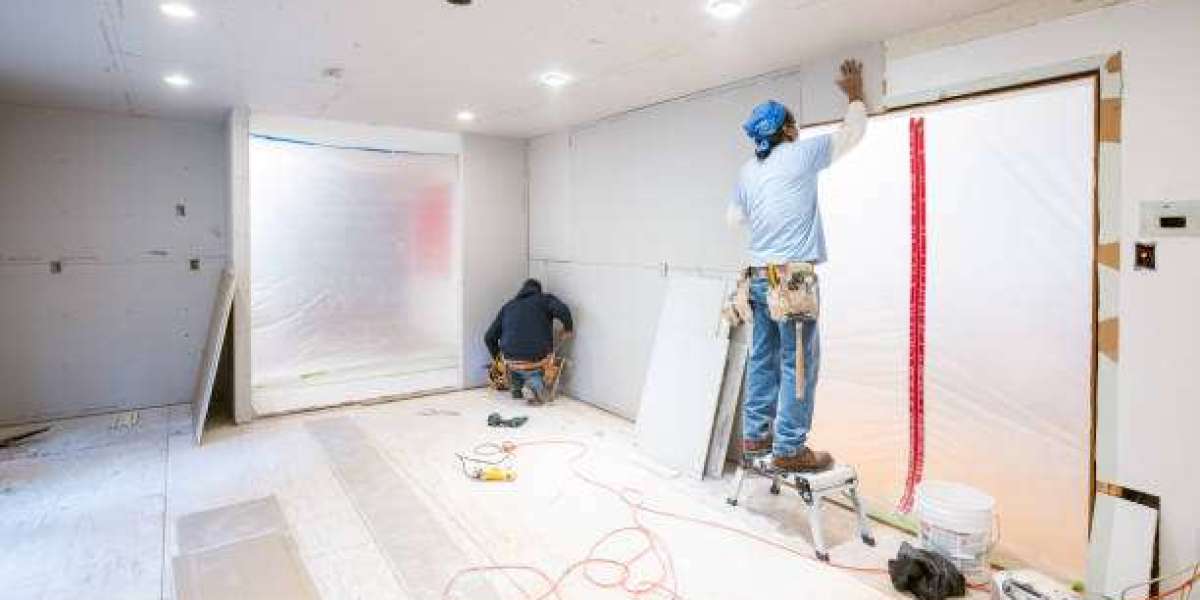
Most homeowners go into a remodeling consultation completely unprepared. They like the contractor's website, they get a quote that sounds reasonable, and they sign. Then three weeks later, they're watching a crew they've never met tear into their load-bearing wall while the original guy is nowhere to be found. It happens constantly. If you're planning Home Additions in Riverview, FL, you owe it to yourself to slow down and ask the right questions before any paperwork gets signed. This article walks through exactly what to ask, why it matters, and what a bad answer sounds like.
Start With Licenses, Insurance, and Bonding
This part isn't optional. Ask every contractor you talk to for their license number, proof of general liability insurance, and their bonding status. Don't just take their word for it. Florida's Construction Industry Licensing Board lets you look up any contractor's license status online, and you should do exactly that before the conversation goes any further. A license can be expired, suspended, or restricted, and plenty of homeowners have found this out the hard way after writing a check.
Liability insurance protects your property if something goes wrong during the build. Bonding protects you if the contractor takes your deposit and disappears. Both matter. Ask to see the actual certificates, not just a verbal confirmation. If a remodeler gets defensive about this, that's your answer right there.
Also ask whether their workers are covered by workers' compensation. If a crew member gets hurt on your property and they're not covered, you could be on the hook. It's a boring question to ask, but it's one of the most important ones on the list.
Ask About Structural and Permit-Heavy Experience Specifically
General remodeling experience and structural addition experience are not the same thing. Not even close. A contractor who's great at kitchen renovations might have zero business touching a load-bearing wall or adding a second story. So ask directly: how many structural additions have you completed in the last two years? Can you walk me through how you handle load-bearing changes? What engineers do you work with?
If they stumble on those questions, pay attention. A solid home additions expert in Riverview, FL should be able to talk through structural work without hesitating. They should mention engineering drawings, beam calculations, and footer requirements without you having to prompt them. Vague answers like "we handle all of it" aren't enough.
Permit-heavy projects require a contractor who actually knows the local permitting process. Ask how many permits they've pulled for projects in your area in the last year. Ask which inspections are typically required for the type of addition you're planning. A contractor who knows this stuff will give you a specific, confident answer. One who doesn't will get a little evasive.
Find Out Who's Actually Doing the Work
This is the question most homeowners forget to ask. You're interviewing the salesperson or the owner, but who shows up on day one? Ask directly whether the crew doing the work is employed by the company or whether they use subcontractors. Neither answer is automatically wrong, but you need to know.
If they use subs, ask how long they've worked with those subcontractors and whether they've completed structural work together before. Ask if the subs carry their own insurance. Unvetted subs handed a job they haven't done before are where a lot of addition projects go sideways. You want a contractor who can answer these questions easily, not one who waves them off.
Dan Home Improvements, LLC is one option local homeowners have used for this kind of work, and being able to ask a company these questions directly, and get straight answers, is a good sign of how a project will actually run.
Ask Who Pulls Permits and What Happens If an Inspection Fails
Your contractor should be pulling the permits. Not you. If someone suggests you pull your own permits as the homeowner, that's a red flag. It shifts legal responsibility onto you and often means the contractor isn't properly licensed to pull them. Ask this question upfront and don't accept a fuzzy answer.
Then ask what happens if an inspection fails. Good contractors have a clear answer. They'll tell you what corrections get made, how quickly they schedule a re-inspection, and who covers the cost of any required changes. Bad contractors act like inspection failures never happen, which is not how construction works in the real world. Inspections fail sometimes. What matters is how the team handles it.
Ask which specific inspections are required for your project type. Framing inspections, electrical rough-ins, plumbing rough-ins, final inspections. A contractor familiar with Home Additions in Riverview, FL should know what's required locally without having to look it up mid-conversation.
Nail Down Warranties, Timelines, Payment Schedules, and Cleanup
Written warranties are non-negotiable. Get them in writing before you sign anything. Ask what's covered, for how long, and what the process is if something fails after the project closes. A one-year warranty on labor is common. Anything less than that deserves scrutiny.
Payment schedules matter too. A standard structure involves a deposit, progress payments tied to specific milestones, and a final payment after the work passes inspection. Be cautious about any contractor asking for more than 10 to 15 percent upfront, especially on larger projects. Asking for half up front before any work starts is a pattern that shows up in a lot of contractor complaints.
Timeline questions are worth asking even though delays happen. Ask for a written project schedule. Ask what causes delays in their experience and how they communicate when things shift. Also ask who's responsible for cleanup each day and at the end of the project. It sounds minor, but living in a construction zone for weeks makes daily cleanup a bigger deal than most people expect going in. A contractor who's done this work before will have a clear answer. That alone tells you something about how they run their jobs.
Also ask about what happens to leftover materials and debris removal. Some contractors include it, some charge separately. Know before you sign.
Frequently Asked Questions
How do I verify a contractor's license in Florida?
You can check any contractor's license status through the Florida Construction Industry Licensing Board's online lookup tool. You'll need their license number, which any legitimate contractor should hand over without hesitation. Check that it's current, active, and not restricted.
Is it a problem if a contractor uses subcontractors?
Not automatically. Lots of reputable companies use subs for specific trades. What matters is whether those subs are vetted, insured, and experienced with the type of work involved. Ask how long the relationship has been in place and whether the subs carry their own liability coverage.
What's a reasonable deposit amount for a home addition project?
Most contractors ask for somewhere between 10 and 20 percent upfront. Anything much higher than that, especially before any materials are ordered or permits are pulled, is worth questioning. Progress payments tied to completed milestones are a much safer structure for both sides.
What should a written warranty cover for a structural addition?
At minimum, look for a one-year warranty on labor and workmanship. Structural components sometimes carry longer coverage. Materials may be covered under manufacturer warranties separately. Get all of it spelled out in writing so there's no ambiguity if something needs to be addressed after the project wraps up.
Should I hire a home additions expert in Riverview, FL who knows local permit requirements?
Yes, and it makes a real difference. A home additions expert in Riverview, FL who regularly pulls permits locally will know exactly which inspections are required, what common rejection points look like, and how to move through the process without unnecessary delays. That local knowledge saves time and headaches.