A lot of people dealing with chronic knee pain have already tried the usual stuff. Rest, ice, anti-inflammatories, maybe a cortisone shot or two. And it helped a little, or not at all, and now they're looking at something different. Decompression therapy keeps coming up, but the honest problem is most people have no idea what it actually does to the knee. That fear of the unknown is real, and it stops people from trying something that might genuinely help them. If you've been looking into Knee on Trac Therapy in Rockville Centre NY, this article breaks down exactly what's happening inside your joint during a session, step by step, in plain language.
How the Knee Gets Compressed in the First Place
Your knee is a hinge joint, and it takes a beating every single day. Walking, standing, climbing stairs, even just sitting puts load through it. The cartilage inside acts like a shock absorber, but it doesn't have its own blood supply. It depends on a process called imbibition, basically squeezing and releasing to pull in joint fluid that carries nutrients. When that process breaks down, cartilage starts to thin and dry out.
Osteoarthritis is the most common culprit. Over time, bone gets closer to bone, the joint space narrows, and the surrounding nerves get irritated just from the constant pressure. Old injuries, meniscus tears, and even years of overuse can all push the joint toward the same outcome. The knee ends up compressed, stiff, and painful most of the time.
That compression also affects the synovial fluid inside the joint. Less space means less fluid circulation. And without good fluid movement, the joint can't clean itself out or deliver nutrients where they're needed. It's a slow decline, but it's very fixable in a lot of cases.
The Mechanical Process of Decompression
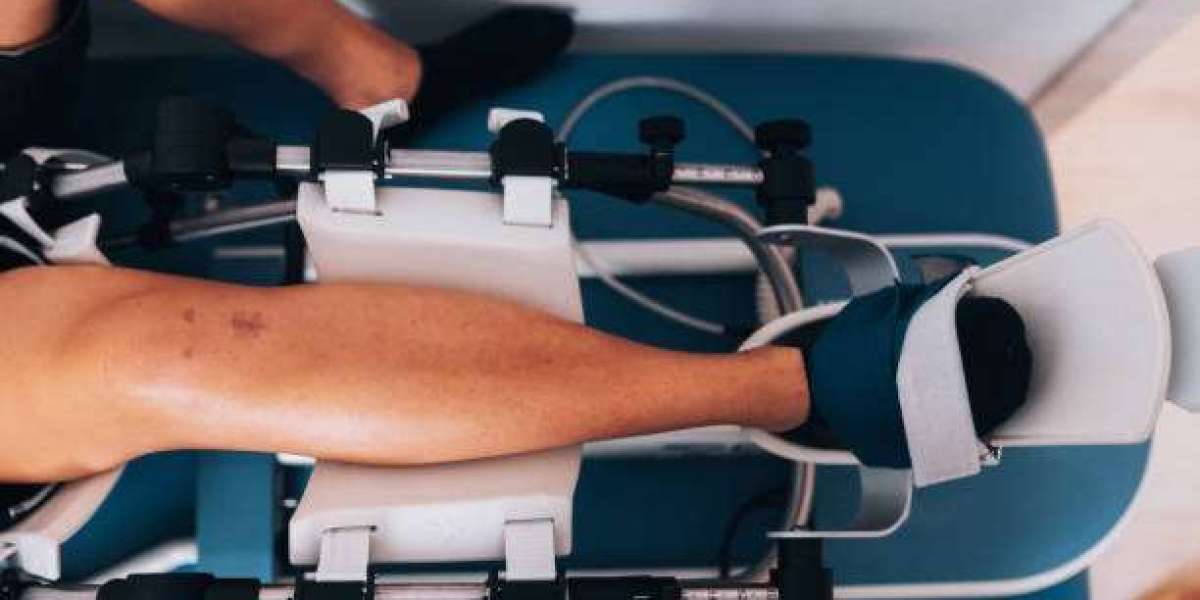
Here's what actually happens when you sit down for a decompression session. The device used for Knee Decompression Therapy in Rockville Centre NY applies a gentle, controlled traction force to the knee. Think of it as carefully pulling the joint surfaces apart, just slightly, in a way your body can't do on its own.
That separation creates negative pressure inside the joint space. Negative pressure is basically a vacuum effect. It draws things in. Specifically, it pulls synovial fluid back into areas of the joint that have been starved of it, and it takes some of the mechanical load off the cartilage and nerve endings that have been under constant compression.
The traction isn't violent or dramatic. Most people describe the sensation as a gentle stretch or even a mild relief during the session. The force is calibrated based on body weight and the degree of joint damage, so it's not a one-size approach. Sessions usually last around 20 minutes, and the decompression cycles on and off rhythmically throughout.
What Changes Inside the Joint During a Session
Three things happen pretty consistently during a decompression session. First, the joint space opens up, even if only by a small amount. That alone takes pressure off the nerve endings packed around the knee, which is often why people feel some relief during or right after the very first session.
Second, synovial fluid gets redistributed. Synovial fluid is the joint's built-in lubrication system, and when the joint is compressed long-term, that fluid gets pushed out of the areas that need it most. The negative pressure created by traction draws it back in. Cartilage, which absorbs nutrients from this fluid like a sponge, starts getting fed again.
Third, the nerve signals coming from the joint can actually calm down. Compressed nerves are irritated nerves, and irritated nerves fire constantly. A little space changes the mechanical environment enough that the pain signaling starts to quiet. That's not a permanent fix from one session, but it gives you a window to understand what the knee feels like with less inflammation driving things.
How the Body Responds Over Multiple Sessions
One session does something. Repeated sessions do a lot more. After several treatments, most patients start to notice that the relief lasts longer between appointments. That's not just a feeling. Circulation to the joint improves over time as the tissue environment changes, and better circulation means faster removal of inflammatory byproducts that have been sitting in the joint for months or years.
Cartilage doesn't regenerate the way muscle does. But it can rehydrate. And in joints where the damage isn't too far advanced, better fluid exchange over time can slow down further deterioration and reduce the grinding sensation that makes every step miserable. Patients also tend to regain some range of motion as the stiffness caused by chronic inflammation starts to ease up.
Worth mentioning: this is also where Knee Decompression Therapy in Rockville Centre NY gets used alongside other therapies like ultrasound, laser, or targeted exercise rehab. Decompression opens the door, and the supporting treatments help the joint stay in a better state between sessions. If you want to read more about the general mechanics of joint traction, this Wikipedia overview of orthopedic traction is a solid starting point.
Some clinics, including those that use the Knee on Trac Therapy in Rockville Centre NY system, track measurable outcomes like pain scores and range of motion at regular intervals so patients can actually see progress rather than just guessing. Robert Gerov Media has covered patient outcome tracking in the chiropractic space and noted that documented progress is one of the things that keeps patients engaged in a full treatment plan rather than dropping off early.
Who Is Actually a Good Candidate
Not everyone with knee pain is the right fit for decompression. But the list of people who can benefit is pretty broad. Osteoarthritis is the most common reason people seek it out, especially moderate cases where surgery feels premature but pain is affecting daily life. Meniscus injuries, joint space narrowing, and post-surgical stiffness are also common reasons patients try it.
People who tend to do well are those who still have some cartilage left, aren't in the end-stage of joint destruction, and don't have active infections or certain structural problems like loose bodies in the joint. Age isn't really the limiting factor. Plenty of patients in their 60s and 70s respond well. The condition of the joint matters more than the number on the birthday cake.
If you've been told you're "bone on bone" and surgery is the only option, it's still worth getting a second opinion from a provider who offers decompression, because the threshold for what counts as a surgical candidate varies quite a bit between practitioners.
Frequently Asked Questions
Does knee decompression therapy hurt?
Most people don't find it painful at all. The traction force is gentle and controlled, and the sensation is usually described as a mild pulling or stretch. Some patients actually feel relief during the session itself. If you have a very acute flare, there might be some discomfort, but a good provider will adjust the settings.
How many sessions does it take to see results?
It varies. Some people notice a difference after two or three sessions. For others it takes closer to eight or ten before the changes feel consistent. Most treatment plans run somewhere between 12 and 20 sessions, with re-evaluation along the way. Patience matters here.
Is this the same as regular physical therapy?
Not exactly. Physical therapy focuses on strengthening the muscles around the joint and improving movement patterns. Decompression targets the joint space itself, trying to change the mechanical environment inside the knee. The two approaches can work together, and plenty of patients do both.
Can decompression replace knee replacement surgery?
In some cases, yes. For patients who are good candidates and catch the problem before the joint is completely destroyed, decompression can reduce pain enough that surgery gets pushed back years or avoided entirely. But it's not a universal substitute, and some joints are too far gone to respond meaningfully.
Are there any risks or side effects?
Serious risks are rare. Some patients feel mild soreness after the first few sessions as the joint adjusts, similar to starting a new exercise. There are contraindications, including active joint infections, certain types of fractures, and some hardware from prior surgeries, so a thorough intake evaluation is always done before starting treatment.
The knee is a surprisingly resilient joint when you give it the right conditions. Understanding what's actually happening during decompression takes some of the mystery out of it, and that alone makes it a lot easier to commit to a plan and stick with it long enough to see real change.