As industries embrace digital transformation, automation systems are becoming smarter, more connected, and increasingly data-driven. At the center of this evolution are industrial panel PCs, which serve as the interface between machines, operators, and software systems. Among the various options available, industrial 21.5 Android panel PCs have emerged as a powerful and versatile solution for modern automation environments.
With their combination of large touchscreen displays, embedded computing, and flexible software capabilities, these devices are helping businesses improve efficiency, streamline operations, and support smart factory initiatives.
What Is an Industrial 21.5 Android Panel PC?
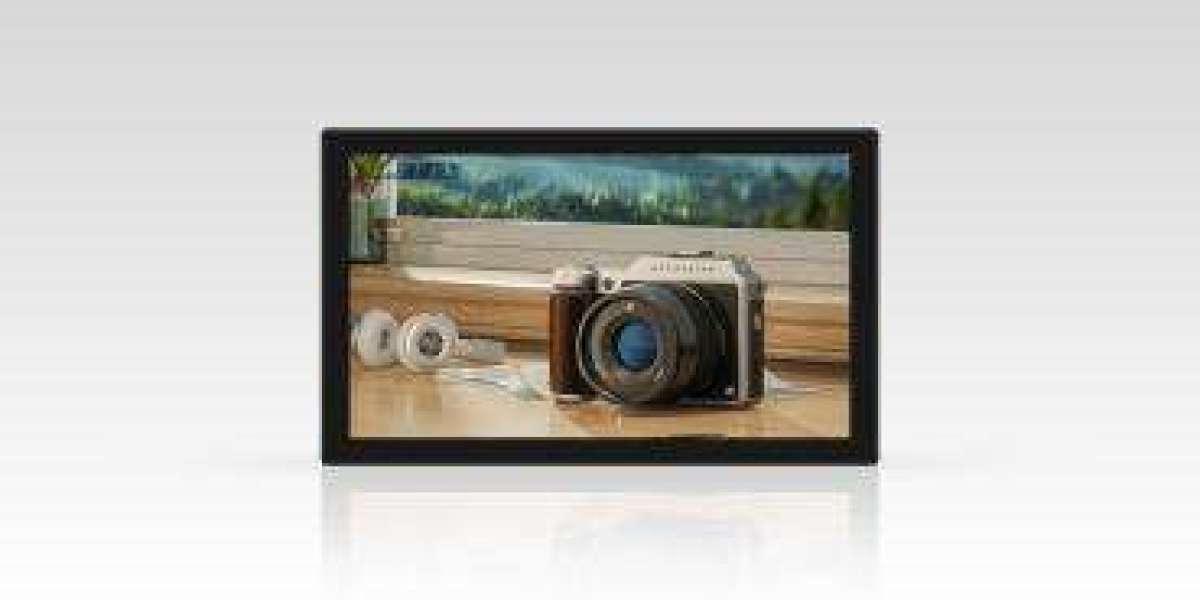
An industrial 21.5 Android panel PC is an all-in-one device that integrates a 21.5-inch touchscreen display with an embedded computer running the Android operating system. Unlike traditional industrial monitors, these systems can run applications independently without requiring an external PC.
They are widely used as Human-Machine Interfaces (HMI), enabling operators to control machinery, monitor processes, and interact with industrial software through an intuitive touch interface.
Why Choose a 21.5 Inch Android Panel PC?
The 21.5-inch size is one of the most preferred formats for industrial applications due to its ability to display detailed information clearly while maintaining installation flexibility.
Key Advantages:
- Large display area for dashboards, analytics, and control interfaces
- Full HD resolution (1920x1080) for clear data visualization
- Improved operator efficiency with better readability
- Ideal for control rooms, production lines, and monitoring systems
Combined with the Android OS, this form factor offers both performance and ease of use.
Key Features That Power Smart Automation
- Android Operating System
Android-based panel PCs provide:
- Easy application development and deployment
- Compatibility with a wide range of industrial apps
- User-friendly interface similar to smartphones and tablets
This makes them ideal for modern automation systems and IoT applications.
- Responsive Touchscreen Interface
Most industrial Android panel PCs feature Projected Capacitive (PCAP) touch, offering:
- Multi-touch functionality
- Smooth and accurate interaction
- Enhanced user experience
This improves operator productivity and reduces errors.
- Integrated Computing Power
These devices come with built-in processors (such as ARM-based chipsets), allowing them to:
- Run applications locally
- Process real-time data
- Reduce dependency on external systems
- Rugged Industrial Design
Designed for harsh environments, these panel PCs include:
- IP65-rated front panels for dust and water resistance
- Durable metal enclosures
- Resistance to vibration and shock
This ensures long-term reliability in industrial settings.
- Connectivity and Integration
Industrial Android panel PCs support:
- Ethernet (LAN) for network communication
- Wi-Fi and Bluetooth for wireless connectivity
- USB and serial ports for peripherals and legacy systems
This enables seamless integration into existing automation infrastructure.
- Fanless and Energy-Efficient Operation
Fanless designs minimize maintenance and improve system reliability, while energy-efficient components reduce operational costs.
Applications in Smart Automation Systems
Manufacturing and Production
- Machine control and monitoring
- Real-time production data visualization
- Quality control systems
Logistics and Warehousing
- Inventory management systems
- Warehouse automation dashboards
- Order tracking and processing
Smart Factories (Industry 4.0)
- IoT system integration
- Data analytics and visualization
- Cloud-connected monitoring systems
Energy and Utilities
- Power distribution monitoring
- Infrastructure control systems
- Remote system management
Healthcare and Medical Systems
- Patient monitoring interfaces
- Medical device control panels
- Digital healthcare applications
How Android Panel PCs Enhance Efficiency
Real-Time Decision Making
Operators can access live data and respond quickly to system changes.
Simplified System Architecture
All-in-one design reduces the need for external PCs and additional hardware.
Improved User Experience
Touch-based interfaces make systems easier to operate, reducing training time.
Reduced Downtime
Rugged design and reliable performance ensure continuous operation in demanding environments.
Key Considerations Before Choosing
When selecting an industrial 21.5 Android panel PC, consider:
- Performance requirements (processor, RAM, storage)
- Operating environment (temperature, dust, moisture)
- Touch technology (PCAP vs resistive)
- Connectivity and compatibility with existing systems
- Mounting options (panel, VESA, wall mount)
- Long-term support and product lifecycle
Choosing the right configuration ensures optimal performance and long-term reliability.
The Future of Industrial Android Panel PCs
With advancements in IoT, edge computing, and AI-driven automation, Android panel PCs are becoming more intelligent and connected. Future developments may include:
- Cloud-based control systems
- AI-powered predictive maintenance
- Enhanced remote monitoring capabilities
- Integration with smart factory ecosystems
These innovations will further strengthen the role of industrial panel PCs in automation.
Conclusion
Industrial 21.5 Android panel PCs are playing a crucial role in powering smart automation systems across industries. Their combination of large touchscreen displays, embedded computing, and flexible software capabilities makes them an ideal solution for modern industrial environments.
By enabling real-time monitoring, improving user interaction, and supporting seamless integration, these devices help businesses achieve greater efficiency and productivity.
As industries continue to adopt digital technologies, investing in reliable and high-performance Android panel PCs will be key to staying competitive in the evolving automation landscape.
Read More: https://tecsysproductguides.blogspot.com/2026/03/industrial-215-android-panel-pcs.html