The service department is one of the most important revenue centers in a dealership, yet managing fixed operations effectively has become increasingly complex. Service managers must balance technician productivity, repair orders, parts availability, customer satisfaction, warranty work, and profitability while making decisions based on constantly changing data. Without the right technology, valuable information can become scattered across reports and systems, making it difficult to identify opportunities or address problems quickly.
A modern auto dealership management system can help bring these moving parts together. By organizing operational information and making performance data easier to understand, dealerships can gain a clearer view of what is happening across their service operations. The goal is not simply to collect more data, but to turn that information into practical decisions that improve efficiency and financial performance.
Why Fixed Operations Require Better Data
Fixed operations generate a tremendous amount of information every day. Repair orders, labor hours, technician performance, customer-pay work, warranty activity, parts sales, effective labor rates, and service retention all contribute to the overall performance of a dealership.
The challenge is knowing which numbers deserve immediate attention.
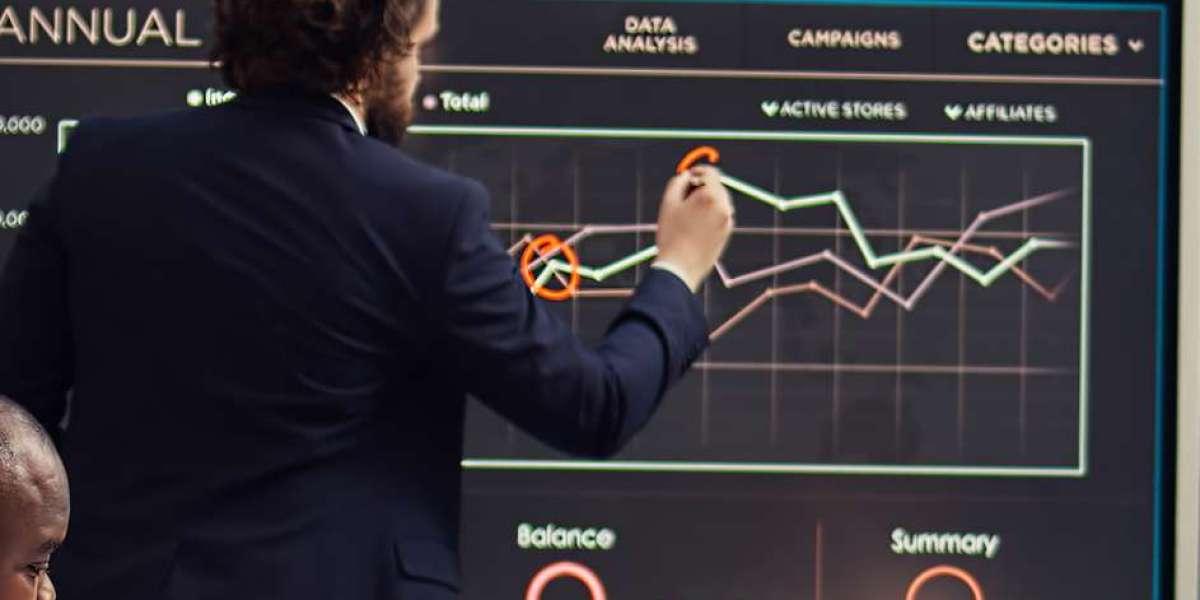
Traditional reporting can leave managers spending hours reviewing spreadsheets and searching for patterns. By the time an issue becomes obvious, the dealership may already have lost revenue or customer opportunities. Advanced analytics provide a more proactive approach by helping managers monitor important performance indicators and recognize changes earlier.
For example, a service department may notice that repair order volume is strong while gross profit remains below expectations. Looking beyond the top-line numbers could reveal declining labor hours per repair order, inconsistent menu pricing, missed maintenance opportunities, or underperforming technicians. Data-driven reporting makes it easier to investigate these issues instead of relying on assumptions.
Turning Reporting Into Action
Reporting is valuable, but reports alone do not improve dealership performance. Managers need information presented in a way that supports action.
This is where modern car dealership management software can make a meaningful difference. Instead of reviewing disconnected figures, dealership leaders can use centralized reporting and performance tracking to understand trends and compare results over time.
A useful platform can help answer questions such as:
- Are technicians producing at their expected level?
- Is the service department achieving its labor-rate goals?
- Which areas are creating lost revenue?
- Are customer-pay opportunities being captured consistently?
- How efficiently are repair orders moving through the department?
- Are service advisors meeting performance expectations?
- Which metrics are improving or declining?
Having these answers available allows managers to spend less time gathering information and more time improving operations.
Improving Technician Productivity
Technician productivity has a direct impact on service department profitability. When technicians are not consistently productive, available capacity can be wasted even when customer demand is high.
Technology can help managers identify productivity patterns and determine where improvements may be possible. Instead of looking only at total hours sold, managers can evaluate performance through multiple operational metrics.
This broader perspective can uncover issues involving scheduling, workflow, training, dispatching, or repair-order processes. Once a problem is identified, management can take targeted action rather than applying a one-size-fits-all solution.
Improving technician productivity does not necessarily mean simply asking technicians to work faster. It means creating an environment where available technician time is used efficiently, work is properly dispatched, and bottlenecks are addressed before they become recurring problems.
Strengthening Service Advisor Performance
Service advisors play a critical role in both customer experience and dealership revenue. They communicate repair recommendations, explain maintenance needs, manage customer expectations, and help determine which approved services ultimately appear on a repair order.
Performance analytics can give managers a clearer understanding of advisor activity. Metrics can be evaluated across teams and time periods to identify trends and opportunities for coaching.
For example, if one advisor consistently produces stronger results in a particular metric, management can examine the processes contributing to that performance. Successful approaches can then become part of broader training and development.
This creates a more measurable management process. Instead of relying entirely on observations or periodic reviews, managers can use objective information to guide conversations and recognize improvement.
Creating a Better Customer Experience
Profitability and customer satisfaction are closely connected in fixed operations. Customers expect convenient scheduling, transparent communication, reasonable wait times, and quality repairs. A frustrating service experience can reduce the likelihood of future visits and weaken long-term customer relationships.
Operational efficiency can therefore have a direct impact on customer experience.
When dealerships understand where delays and workflow problems occur, they can make adjustments that improve the service journey. Better visibility into repair-order activity can help management identify recurring bottlenecks and determine whether staffing, scheduling, or internal processes need attention.
The result can be a service department that operates more smoothly while giving customers greater confidence in the dealership.
Making Decisions Based on Real Performance
One of the biggest advantages of advanced dealership analytics is the ability to move from reactive management to proactive management.
Rather than waiting for monthly results to reveal a problem, managers can monitor important indicators continuously. When performance starts moving in the wrong direction, leadership has an opportunity to investigate and respond before the issue becomes more expensive.
This approach also makes goal setting more practical. Dealerships can establish measurable targets, monitor progress, and evaluate whether operational changes are producing the desired results.
Over time, historical performance data can become a valuable management resource. It can help leadership understand seasonal patterns, evaluate process changes, identify recurring challenges, and make better-informed strategic decisions.
Building a More Profitable Fixed Operations Strategy
Successful fixed operations management requires more than individual improvements. Dealerships need systems and processes that work together.
From technician productivity and advisor performance to repair-order activity and customer retention, each part of the service operation can influence profitability. When managers have access to reliable information across these areas, they can develop a more complete understanding of dealership performance.
Technology should support this process rather than make it more complicated. User-friendly dashboards, automated reporting, real-time tracking, and actionable insights can reduce the administrative burden placed on service managers while giving leadership the information needed to make confident decisions.
The Future of Automotive Service Management
Automotive retail continues to evolve, and fixed operations must evolve with it. Dealerships that rely solely on manual reporting and disconnected information may struggle to keep pace with organizations using technology to improve decision-making.
Modern analytics provide an opportunity to make fixed operations more measurable, efficient, and responsive. By understanding what the numbers are saying and acting on those insights, dealerships can improve internal workflows while creating stronger customer experiences.
Fixed Ops Intel is built around this idea: give dealership teams practical visibility into their fixed operations so they can make smarter decisions and pursue stronger results. With advanced analytics, streamlined reporting, and real-time performance insights, technology can become more than a reporting tool—it can become an essential part of a dealership's strategy for sustainable fixed-operations growth.