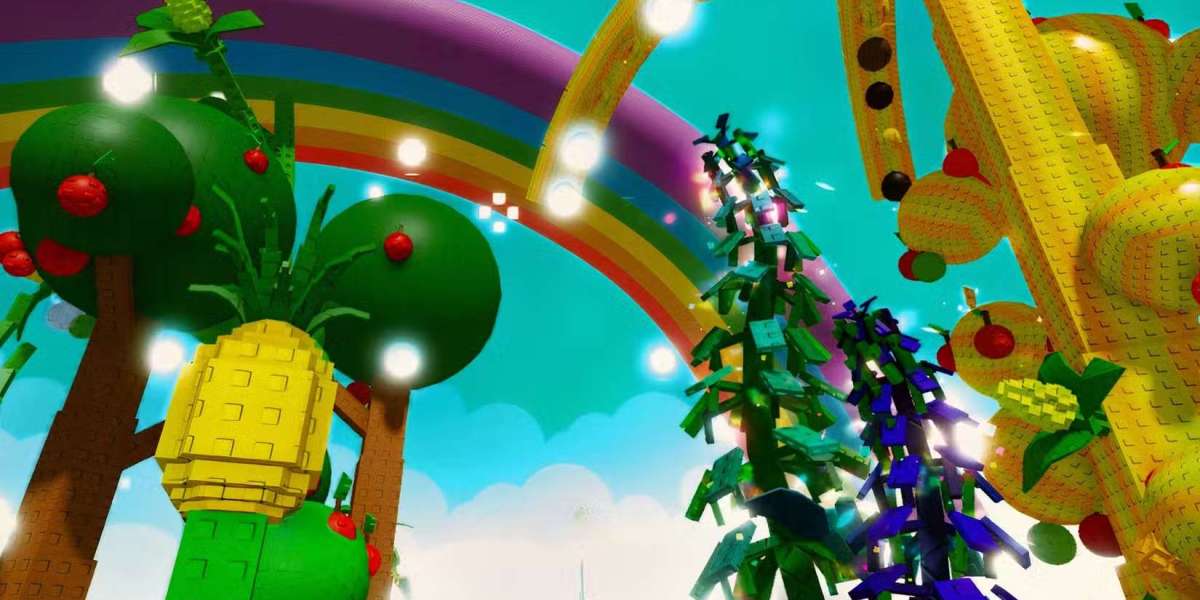
Grow a Garden 2 becomes much more interesting once farming stops being treated as a simple buy-and-sell loop. The current event activity has pushed players toward mutation planning, Moonbeam farming, pet combinations, and saving enough resources to react when a useful opportunity appears. That makes Grow a Garden 2 Sheckles especially important for players working toward expensive seeds and equipment, but simply having a large balance is not enough. The better question is how those Sheckles can support a garden that is ready for the next weather event, quest, or limited-time activity.
The current event environment has created several different ways to approach progression. Some players are concentrating on Moon Coins, while others are completing event quests and building their pet collections. Recent community strategies have focused on Moonbeam mutations because they can be repeatedly created and spread across a garden with the right pet combination. One popular approach uses a Night Horse to create Moonbeam, followed by pets such as T-Rex and Mimics to spread the mutation. Other pets can then be used to add Silver, Gold, or Rainbow variants before harvesting. The exact setup depends heavily on the player's collection, but the underlying idea is useful: build the garden around a repeatable mutation cycle instead of relying entirely on random weather.
Mutation timing is particularly important because the weather system only gives short windows. Rain, for example, provides a 2x growth boost for five minutes, while nighttime can bring Gold Moon, Rainbow Moon, or Blood Moon conditions. Blood Moon is especially rare, with a reported 2% chance during the night phase, so players who are hunting valuable mutations should avoid treating every night as an ordinary farming period. A prepared garden can turn a short weather window into several productive harvest cycles, while an unprepared garden may spend most of the event simply deciding what to plant.
A practical farming habit is to keep a few flexible plots available. Filling every space with valuable crops might appear to maximize income, but it can make event preparation surprisingly awkward. When a quest suddenly asks for Gold or Rainbow crops, a player with no spare space may have to destroy existing plants and start over. Community players have recently recommended keeping Gold and Rainbow crops available, along with seeds such as Green Bean, while also maintaining enough Pumpkin production to handle larger harvesting objectives. Bamboo and Mushrooms have also been mentioned as useful parts of an event-oriented farming rotation.
The same flexibility matters with pets. A common mistake is chasing rarity without considering what the pet actually does. A defensive pet can be more useful than a flashy companion when valuable crops are sitting in the garden overnight. Farming pets can also change the amount of time required to repeat a harvest cycle, which becomes increasingly important when an event rewards repeated harvesting rather than a single large crop.
The Venus Fly Trap is an excellent example of how expensive items can have a purpose that is easy to overlook. Its seed costs 7,000,000 Sheckles and only has a 1.43% chance of appearing in the Seed Shop rotation. Its fruit production is slow, so it is not a particularly efficient choice if the only goal is earning currency. Its real value comes at night, when it attacks players who approach it and can help protect valuable crops. Placement matters because the plant's defensive range needs to cover the crops that actually deserve protection.
This creates an interesting choice between economic efficiency and garden security. A player focused purely on selling crops may prefer cheaper, faster-growing plants. A player with several rare mutations may consider defensive equipment or plants a much better investment. There is no universal best setup because the value of an item changes with the garden's current condition. Once a player has a few extremely valuable crops, protecting them can become more important than squeezing another small percentage of income from ordinary plants.
Nighttime also changes how farming routes should be planned. Instead of finishing a harvest and immediately leaving the garden, players can check the current moon condition and decide whether staying active is worthwhile. Normal Moon is common, while Gold Moon and Rainbow Moon occur less frequently, and Blood Moon is considerably rarer. Since moon events can create valuable mutation opportunities, a player who is actively hunting mutations should pay attention to the transition from sunset into night rather than treating it as downtime.
The current event quests add another layer because not every objective rewards the same farming method. Some require particular fruit types, some care about mutations or rarity, and others involve pets. Recent player reports suggest that the quest chain can become demanding when it starts asking for multiple pet-taming objectives and later requires stealing or submitting particular crops. This is another reason not to spend every resource immediately. A reserve of seeds and a flexible pet lineup can save considerable time when the quest requirements suddenly change.
There is also a useful distinction between farming for normal currency and farming for event currency. A player who wants to improve the main garden should continue building a reliable Sheckle income rather than abandoning the normal economy completely. Meanwhile, event farming can be handled as a separate project with its own crop priorities and pet setup. Switching between the two worlds based on the current objective can be more efficient than attempting to complete everything at once.
Weather preparation is another skill that becomes increasingly valuable as the garden grows. Seeds should be available before an event starts, valuable crops should be positioned sensibly, and inventory space should be monitored. Rain is straightforward because the growth benefit applies to the garden for a fixed period, but rarer weather conditions require more deliberate preparation. A player who already has suitable crops planted can immediately take advantage of the event, while someone who needs to restock seeds first may lose much of the available window.
The broader lesson is that Grow a Garden 2 rewards preparation more than impulsive spending. A huge balance looks impressive, but a well-organized inventory can be more valuable when an unexpected quest or mutation opportunity appears. Keeping several crop types, saving useful pets, maintaining spare seeds, and watching the weather creates a garden capable of changing direction quickly.
U4GM can remain a convenient option for players who want to spend less time searching for resources and more time experimenting with their garden. Competitive pricing and a straightforward purchasing process can make it useful when a particular farming project needs additional preparation, while the actual fun still comes from deciding how those resources should be used. With mutation farming, nighttime conditions, event quests, and defensive setups keeping the current gameplay busy, players who want to expand their currency stock can also explore buy Grow a Garden 2 Sheckles as part of their preparation.