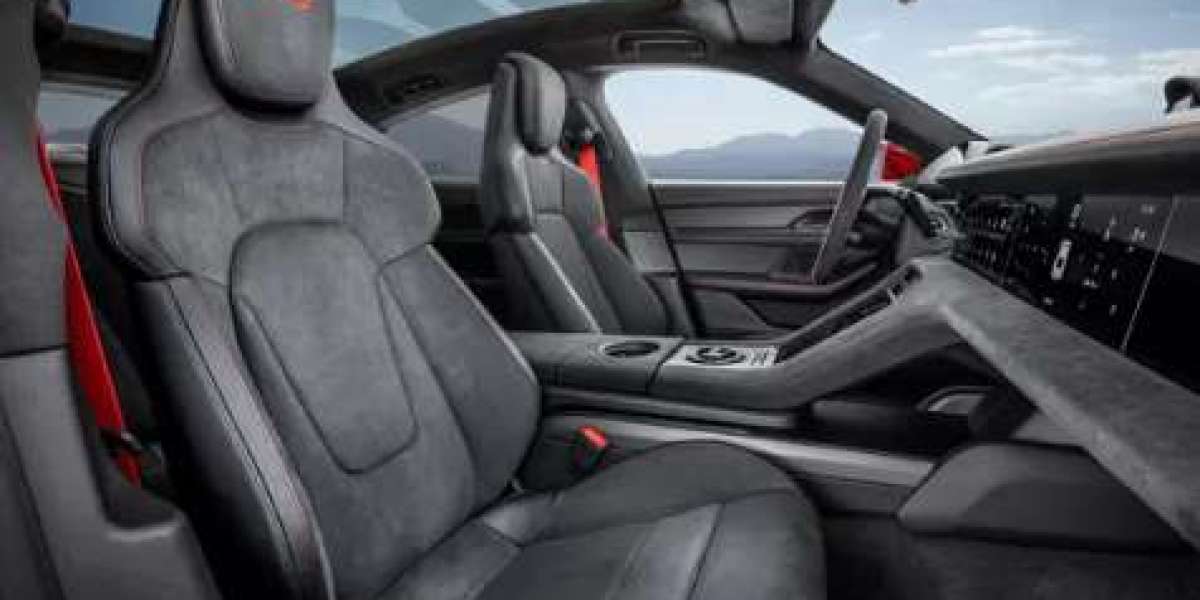
The automotive industry is moving toward smarter, more personalized cabin experiences. As vehicles become increasingly connected, traditional interior components are being redesigned to provide greater comfort, privacy, entertainment, and convenience. One of the technologies attracting attention is the intelligent vehicle-mounted smart sky screen.
Unlike conventional sunroofs, curtains, or fixed roof panels, smart sky screen solutions can combine light management, privacy control, smart interaction, and modern interior design. With technologies such as Polymer Dispersed Liquid Crystal (PDLC), vehicle interiors can become more adaptable to different driving and passenger needs.
Creating a More Comfortable Vehicle Environment
Comfort is one of the most important factors in modern vehicle interior design. Passengers spend considerable amounts of time inside cars, especially during long-distance travel, business transportation, and premium mobility services. As a result, manufacturers are looking for ways to make the cabin more relaxing and adaptable.
Intelligent vehicle-mounted smart sky screens can help create a more comfortable atmosphere by allowing users to control the amount of light entering the cabin. Instead of relying entirely on traditional curtains or fixed shades, smart film technology can provide an adjustable solution that responds quickly to changing conditions.
This flexibility can be particularly useful when a vehicle travels through areas with strong sunlight. Passengers can adjust the roof environment according to their preferences, helping create a calmer and more enjoyable interior throughout the journey.
Improving Privacy and Glare Control
Privacy has become increasingly important in premium vehicles, executive transportation, and other high-end mobility applications. Large glass roofs can create an open and spacious feeling, but they may also expose passengers to excessive sunlight or unwanted visibility from outside.
PDLC-based smart film provides an effective way to address this challenge. By applying electrical power, the liquid crystal layer can change between transparent and opaque states, allowing passengers to control visibility when required.
Smart sky screen technology can also help reduce uncomfortable glare caused by direct sunlight or external lighting. This makes the cabin environment more pleasant for activities such as reading, working, watching content, or simply relaxing during a long journey.
Turning the Vehicle Roof Into a Smart Interface
The vehicle roof is no longer limited to being a structural or decorative component. With intelligent display and projection technologies, it can become part of the vehicle's digital ecosystem.
Future-oriented smart sky screen solutions can support entertainment, information displays, ambient lighting, and other interactive functions. Instead of simply looking through a traditional glass roof, passengers may be able to interact with a more dynamic overhead environment.
This concept is especially relevant as connected vehicle technology continues to develop. Touch controls, voice commands, mobile applications, and integrated infotainment platforms can potentially provide users with multiple ways to control the cabin environment.
Supporting Advanced Vehicle Infotainment
Entertainment is becoming an increasingly important part of the passenger experience. In autonomous and semi-autonomous mobility concepts, passengers may have more opportunities to use their travel time for entertainment, communication, or work.
An intelligent vehicle-mounted smart sky screen can complement existing infotainment systems by creating additional visual and interactive space inside the cabin. Depending on the vehicle architecture, the roof area can be used for displays, projection systems, ambient effects, or other digital experiences.
This approach can help manufacturers differentiate their vehicle interiors while giving passengers a more immersive experience. Rather than treating the roof as an isolated component, smart technology allows it to become another connected element within the overall cabin system.
Flexible Solutions for New Vehicles and Retrofits
Another advantage of smart sky screen technology is its potential application in both new vehicle production and aftermarket upgrades. Automotive manufacturers can integrate smart film into new vehicle designs, while retrofit providers can explore solutions for existing models.
Customization is particularly valuable in automotive applications because different vehicle models have different roof dimensions, electrical systems, interior styles, and user requirements. Smart film can be manufactured and processed according to specific project requirements, helping create solutions that are better suited to individual vehicle designs.
For premium vehicles, commercial transportation, recreational vehicles, and customized interiors, this flexibility can open new possibilities for upgrading the passenger experience without completely redesigning the cabin.
Enhancing Modern Interior Design
Vehicle interiors are becoming an important part of brand identity. Designers increasingly focus on creating cabins that feel spacious, clean, technological, and visually distinctive.
Smart sky screens can support this design philosophy by reducing the need for conventional curtains or bulky shading mechanisms. A large transparent roof can provide an open feeling when desired, while the smart film can change its appearance when privacy or light control is needed.
This combination of openness and controllability gives designers greater freedom. The result can be a cleaner interior appearance while maintaining practical functions that passengers expect from a modern vehicle.
Supporting Energy and Thermal Management
Temperature management is another consideration when designing large glass areas in vehicles. Excessive solar radiation can increase the thermal load inside the cabin, particularly during hot weather.
Smart glazing and smart film technologies can contribute to better control of the cabin environment by helping manage light and solar exposure. When combined with the vehicle's air-conditioning system and other thermal management technologies, these solutions can support a more comfortable passenger environment.
Better management of the cabin environment may also reduce the workload placed on climate-control systems under certain conditions. This makes smart sky screens relevant not only to interior aesthetics but also to the broader goal of developing more efficient vehicle systems.
A More Personalized Passenger Experience
Personalization is becoming a major trend in automotive design. Different passengers may have different preferences for lighting, privacy, entertainment, and visual openness.
Intelligent smart sky screens can provide a flexible interface for these preferences. A passenger may want a transparent roof during the daytime, increased privacy while traveling through urban areas, or a more immersive atmosphere during entertainment.
As vehicle software becomes more sophisticated, smart interior components may also become increasingly connected to user profiles and vehicle settings. This could allow the cabin to automatically adapt to individual preferences while still providing manual controls when needed.
The Future of Intelligent Vehicle Interiors
The development of intelligent vehicle-mounted smart sky screens reflects a broader shift in automotive design. Vehicles are evolving from transportation tools into connected living spaces where comfort, digital services, and personalization work together.
Future solutions may combine smart film, interactive displays, AI-powered controls, ambient lighting, advanced infotainment, and other connected technologies. As these systems become more integrated, the vehicle roof could play a much larger role in shaping the overall passenger experience.
For automotive manufacturers and interior designers, the opportunity is not simply to add another high-tech feature. The greater opportunity is to rethink how the entire cabin responds to passengers and their changing needs.
Conclusion
Intelligent vehicle-mounted smart sky screens are helping redefine what a modern vehicle interior can offer. By combining privacy control, glare management, flexible lighting, infotainment integration, customization, and contemporary aesthetics, smart sky screen technology provides a new approach to automotive interior design.
As smart materials and connected vehicle technologies continue to advance, these solutions are likely to become increasingly relevant to premium vehicles, electric vehicles, autonomous mobility concepts, and automotive retrofit projects. The future vehicle interior may not simply be a place to sit—it could become an intelligent, adaptable environment designed around the passenger.