
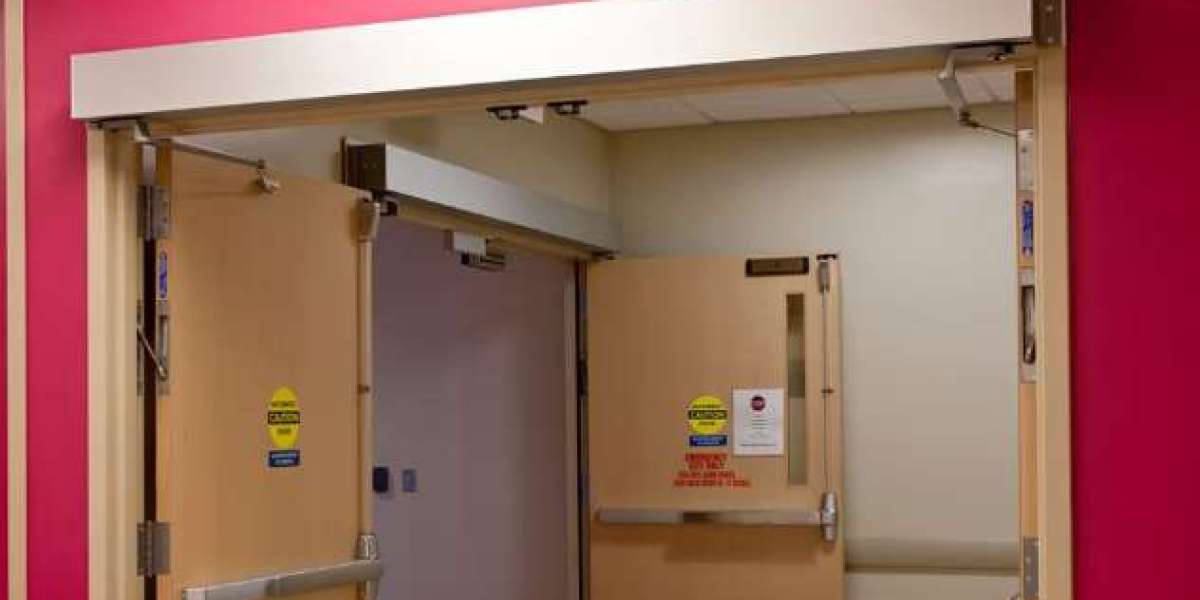
When designing, renovating, or upgrading a commercial property, door and hardware supply are often treated as a simple finishing detail. In reality, they play an important role in security, accessibility, convenience, energy efficiency, and the overall functionality of a building. From office buildings and retail stores to healthcare facilities, educational institutions, and industrial spaces, the right door system can make everyday operations safer and more efficient. Understanding the available options and selecting dependable hardware is therefore an important part of any commercial construction or renovation project.
Why Door Systems Matter in Commercial Properties
Commercial buildings experience considerably more traffic than most residential properties. Employees, customers, visitors, vendors, and delivery personnel may pass through entrances hundreds or even thousands of times each day. A door that is poorly selected for this level of use can quickly develop operational problems.
Durability should be one of the first considerations when choosing a door system. Commercial doors need to withstand repeated opening and closing without sacrificing performance. Hardware must also be capable of handling the demands of the environment. Factors such as building traffic, weather exposure, security requirements, accessibility needs, and available space can all influence which door and hardware combination is appropriate.
A well-designed entrance can also improve the experience of everyone using the building. Smooth operation, controlled closing, and reliable hardware reduce inconvenience while helping facility managers maintain a professional environment.
Understanding the Role of a Hydraulic Door Closer
One of the most important pieces of commercial door hardware is a hydraulic door closer. This device controls the movement of a door as it closes, helping prevent doors from slamming while ensuring they return to a closed position.
Hydraulic closers are particularly useful in busy commercial environments because they provide controlled and consistent door movement. Depending on the model and application, the closing speed and final closing action can be adjusted to suit the needs of the building.
There are several reasons businesses may benefit from properly selected door closers. They can help protect doors and frames from excessive impact, improve security by ensuring doors close properly, and contribute to accessibility when adjusted correctly. They can also help maintain temperature control by reducing the amount of time an exterior door remains open.
However, not every door requires the same type of closer. Door weight, size, traffic frequency, installation location, and building requirements should all be considered before choosing hardware. Professional guidance can help ensure that the selected closer matches the application rather than simply choosing a product based on appearance or price.
Selecting the Right Commercial Doors
The term commercial doors covers a wide range of products designed for different building applications. A retail storefront, warehouse, office entrance, and medical facility may all require completely different door configurations.
For high-traffic areas, durability and ease of operation may be the highest priorities. Exterior entrances may require products designed to withstand weather conditions and frequent use. Interior openings may place greater emphasis on privacy, security, fire protection, or traffic flow.
Automatic doors can be especially valuable in locations where hands-free access improves convenience and accessibility. They can help create smoother movement through entrances while reducing the need for users to manually operate heavy doors.
The hardware selected alongside the door is equally important. Hinges, closers, locks, panic devices, thresholds, handles, and other components all contribute to the overall performance of an entrance. Choosing compatible components helps create a complete system rather than a collection of individual products that may not work well together.
Consider Traffic and Building Usage
Before purchasing a door system, property owners and contractors should evaluate how the entrance will actually be used. A door serving a small private office will experience very different conditions from an entrance serving a busy shopping center.
Traffic volume is an important factor. High-traffic entrances generally require hardware designed for frequent operation. The direction of traffic should also be considered. If people regularly enter while carrying packages, pushing carts, or transporting equipment, an automatic or easier-to-operate entrance may be more practical.
The location of the door matters as well. Exterior openings can be exposed to rain, wind, temperature changes, and other environmental conditions. Interior doors may have different requirements related to privacy, security, noise control, or fire safety.
Taking these factors into account before installation can prevent unnecessary repairs and replacements later.
Security and Accessibility Should Work Together
Security is a major concern for commercial properties, but secure entrances should not create unnecessary barriers for legitimate users. Modern door systems can be designed to balance controlled access with convenient movement.
Businesses may need different levels of security depending on the location of the entrance. Main public entrances, employee-only areas, storage rooms, and restricted offices may each require different hardware. A properly planned system can help control access while maintaining efficient traffic flow.
Accessibility is another important consideration. Doors should be easy enough to operate for the people expected to use them, while automatic systems can provide additional convenience where appropriate. Hardware should be selected and adjusted according to the requirements applicable to the building and its intended occupants.
Quality Hardware Makes a Difference
A commercial door is only as reliable as the system supporting it. Even a high-quality door can perform poorly if it is paired with unsuitable or low-quality hardware.
That is why it is important to consider the complete door assembly rather than focusing on one component. The door, frame, closer, hinges, locks, and other hardware should work together to provide dependable operation.
Experienced suppliers can also help contractors and property owners identify products that fit their specific applications. This can be especially valuable for projects involving multiple entrances or specialized requirements.
Experience Matters When Choosing a Supplier
When investing in commercial door systems, experience can make the selection process much easier. A knowledgeable supplier understands that every building has different requirements and can help customers identify practical solutions instead of simply recommending a standard product.
Automatic Door and Hardware brings a long history to the commercial door and hardware industry. The company began as a third-generation family business with roots going back to a grandfather who was among the early Besam automatic door distributors. Over the years, that family experience has grown into a company offering its own line of commercial doors and hardware.
That combination of industry knowledge and product experience can be valuable for businesses, contractors, and property owners looking for dependable entrance solutions.
Planning for Long-Term Performance
Choosing commercial doors and hardware should not be based solely on the initial purchase price. Long-term performance, maintenance requirements, durability, security, and ease of operation can all affect the true value of a door system.
A properly selected and installed system can reduce operational issues while providing reliable performance for years. Regular inspection and maintenance can also help identify worn components before they become larger problems.
Whether a business is completing a new construction project or upgrading an existing facility, taking time to evaluate its door requirements is a worthwhile investment. With the right combination of doors and hardware, commercial entrances can provide a practical balance of safety, accessibility, security, and convenience.
For businesses seeking dependable solutions backed by generations of industry experience, Automatic Door and Hardware offers commercial door and hardware options designed to meet the diverse demands of modern properties. From automatic entrances to essential door hardware, choosing the right products and planning the system carefully can help create entrances that perform reliably every day.