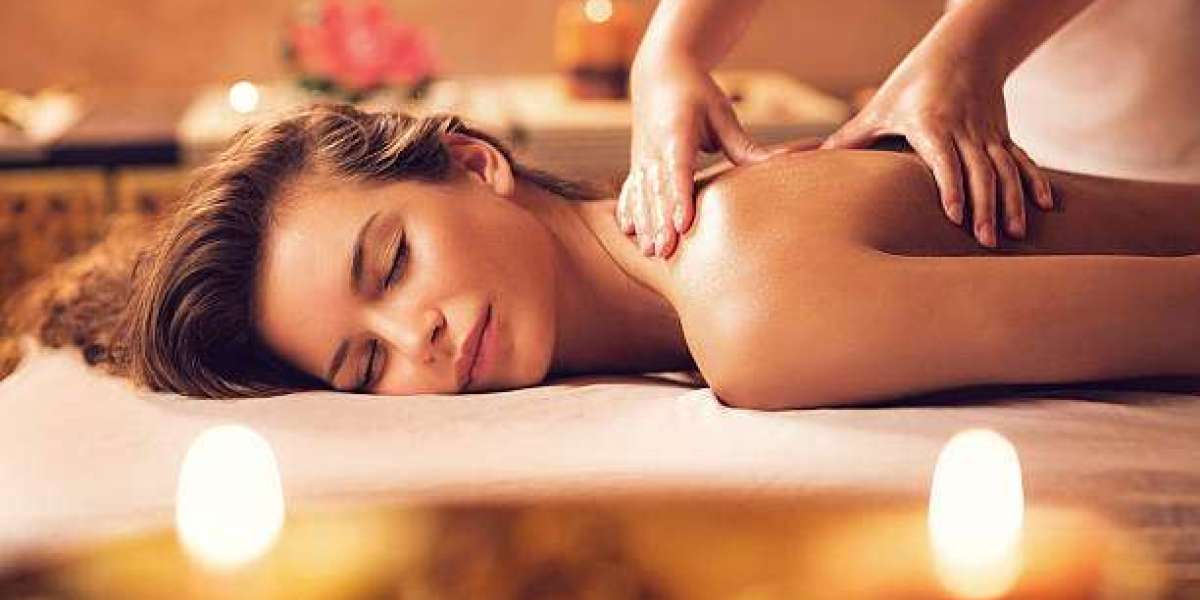
A lot of people sit on the idea of booking a spa day for months, sometimes years, and the hesitation usually comes down to one thing: they don't really know what's going to happen to their skin. Will it look better right away? Will it be red? Will the results last? These are fair questions, and nobody should have to guess. If you've been considering a Day Spa in San Diego, CA, this breakdown covers exactly what your skin goes through during and after a full visit, from the first cleansing step to how your face looks two days later.
What Treatments Actually Do Below the Surface
Most people think of a facial as a glorified face wash. It's not. A professional facial works at a cellular level, using exfoliants, enzymes, and sometimes low-level acids to break down dead skin buildup that your daily cleanser just doesn't reach. That layer of dead cells is what makes skin look dull and feel rough. When an esthetician removes it properly, the skin underneath reflects light better and absorbs moisturizer more effectively than it did before.
Body treatments work similarly. Exfoliation scrubs used during body wraps or scrub treatments strip away the same kind of buildup from your arms, legs, and back. Then the wrap itself, usually something mineral-based or hydrating like seaweed or clay, pushes active ingredients into the skin while you're warm and still. Warmth opens the pores and relaxes the surface tension of the skin, so everything penetrates deeper than it would in a cold room with a product you bought at a drugstore.
Steam is part of this too. Many facial treatments use steam for several minutes before extractions or mask application. According to research on facial treatment methods, heat and humidity soften the follicle walls, which makes removal of congestion and debris far less traumatic to surrounding tissue. That's why professional extractions hurt less and heal faster than the ones you do yourself at home.
Why Your Skin Might Look Red Afterward (And Why That's Okay)
Here's something a lot of first-timers don't expect. Your skin might look a bit pink or even noticeably red right after certain treatments. That's normal. Exfoliation, extractions, and chemical peels all increase blood circulation to the surface of the skin, which causes temporary redness. It usually fades within two to four hours for lighter treatments, and up to 24 hours if you had something more active like a peel or microdermabrasion.
Sensitivity is also common. Your skin just had a layer removed. Of course it's more reactive than usual. Sun exposure during this window is a bad idea, and so is applying anything with fragrance or active ingredients like retinol or vitamin C right after a treatment. Give your skin a break. It's doing its job.
Swelling around the eye area sometimes happens after lymphatic massage or certain eye treatments. It's mild and typically gone by morning. If redness or irritation lasts longer than 48 hours, that's worth a call to the spa or your dermatologist, but honestly, in my experience, that's pretty rare when a licensed esthetician is doing the work.
The Benefit of Combining Multiple Services in One Visit
Booking a full day of services isn't just about relaxation, though that part is real. There's an actual skin benefit to combining treatments in one session. When your body is warm and relaxed from a massage or wrap, the facial that follows gets better results. Blood flow is already elevated. Muscles are loose. The skin is primed.
Stacking services also means you're treating multiple layers at once. A body scrub handles surface texture. A wrap addresses hydration and mineral absorption. A facial targets the face specifically, including pores, tone, and any active congestion. Done separately on different days, each treatment is good. Done together in the right order, they build on each other in a way that's hard to replicate otherwise.
If you're looking at day spa treatments in San Diego, CA for the first time, ask the spa about sequencing. The order matters. Massage before facial, scrub before wrap. A good esthetician will already know this, but it doesn't hurt to ask.
The 24 to 48 Hours After: What Your Skin Needs
This window is where people lose their results. They leave the spa feeling great, then go home and do exactly what they shouldn't. No strong actives. That means hold off on retinol, exfoliating toners, and anything labeled "resurfacing" for at least 48 hours. Your skin barrier is temporarily more open, and aggressive products will irritate it instead of helping it.
What your skin does need is simple stuff. Gentle cleanser, a solid moisturizer, sunscreen if you're going outside. That's it. Drink more water than usual. Your skin cells are repairing and regenerating, and hydration speeds that process up noticeably. Most people see the best results from a facial not the day of, but the morning after, once the redness has settled and the hydration has had time to absorb fully.
Sleep matters here too. Skin repairs itself at night, and a good eight hours after a spa day makes a real difference in how the results hold. Pretty basic stuff, but it's the part most people skip.
How Different Skin Types Respond to Spa Treatments
Not everyone walks out of the same treatment looking the same. Skin type makes a big difference. Oily skin tends to tolerate extractions and deeper cleansing treatments well and often shows the most dramatic before-and-after difference. Dry skin responds better to hydrating facials and gentler exfoliation rather than anything too stripping.
Sensitive skin needs the most communication upfront. If you have rosacea, reactive skin, or any diagnosed condition, tell your esthetician before the session starts. Not after. A good esthetician will adjust the products and techniques completely based on what you share. Bonnie Cruz Esthetics is one place known for this kind of personalized approach, where the treatment is built around your actual skin rather than a generic menu option.
Combination skin is probably the most common type that walks through spa doors, and the good news is that most professional treatments are designed with that in mind. Estheticians are trained to treat different zones of the face differently in the same session, so the oily T-zone gets one approach while the drier cheeks get another. You don't have to fit into one neat category for the treatment to work well.
If you're booking day spa treatments in San Diego, CA and you're unsure about your skin type, just say so. You won't be the first person to walk in without knowing, and a good esthetician will assess your skin before starting anything. That's part of what you're paying for.
The second time you visit a Day Spa in San Diego, CA, you'll already know what to expect and what to tell your esthetician. That first visit is as much about learning your skin as it is about treating it.
Frequently Asked Questions
How long do the results from a facial last?
Most people see results that hold for two to four weeks, depending on their skin type and home care routine. Oily or acne-prone skin tends to cycle through congestion faster, so results may feel shorter-lived. Consistent monthly visits tend to produce cumulative improvements that last longer over time.
Can I wear makeup after a spa facial?
Ideally, no, not for at least a few hours. Your pores are clean and your skin is fresh. Applying makeup right away can introduce bacteria back into those open pores. If you have to, use something minimal and non-comedogenic. But honestly, most people find their skin looks good enough that they don't want to cover it up anyway.
Is it normal to break out after a facial?
Sometimes, yes. This is called purging, and it happens when extractions or exfoliation bring congestion to the surface that was already forming underneath. It's not the facial causing new breakouts. It's existing buildup making its way out faster than it would have on its own. It usually clears up within a week.
Should I shower before or after a body wrap?
Before is better. You want clean skin going into a wrap so the active ingredients can actually absorb rather than sitting on top of sweat or product buildup. After the wrap, the spa will usually have you rinse off gently, and you should avoid a hot shower at home for a few hours to let the minerals or hydrating agents keep working.
How do I know which treatments are right for my skin?
Talk to the esthetician before you book, or at minimum when you arrive. Describe what you're dealing with, whether that's dryness, breakouts, uneven tone, or general dullness. Most spas offer a skin consultation as part of the service. Use it. You'll get better results from a session that's been adjusted to your actual skin than from the default option on the menu.