
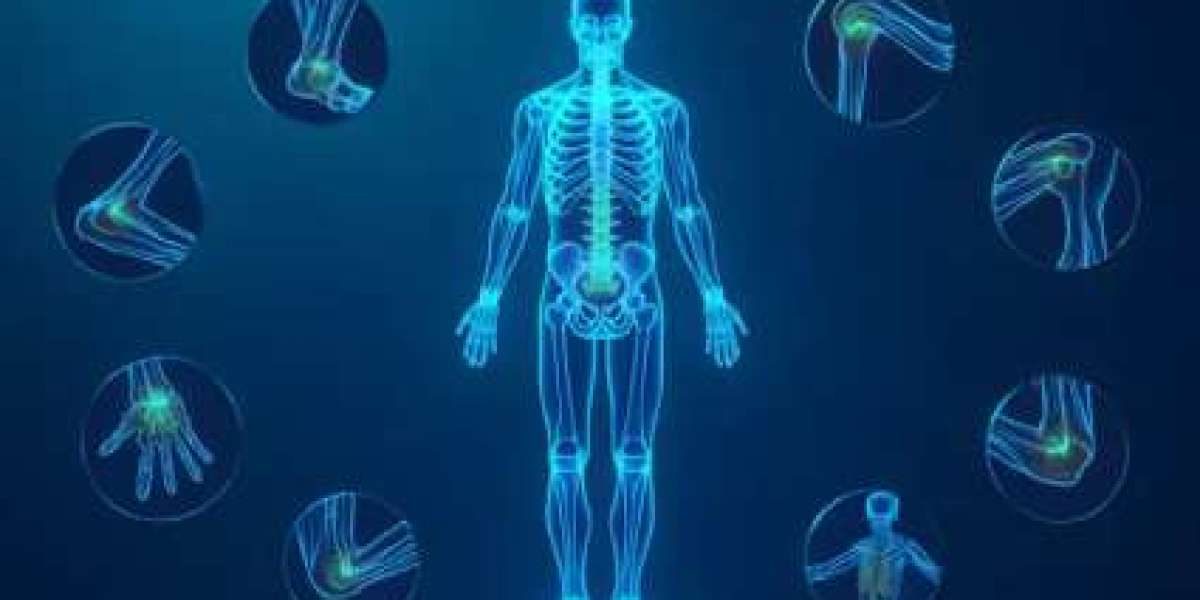
A car accident can leave you dealing with much more than vehicle damage and insurance paperwork. Even when an accident seems minor, the force of sudden impact can affect muscles, joints, ligaments, and the spine. Some injuries are immediately noticeable, while others may develop gradually over the following hours or days. This is one reason timely medical evaluation can make an important difference after a collision.
Understanding what happens after an accident can help injured individuals make informed decisions about their recovery. Instead of simply waiting for pain to disappear, it is important to identify what may be causing the symptoms and determine what type of care is appropriate.
Injuries May Not Be Obvious Right Away
The body responds to an accident in different ways. Adrenaline and stress can temporarily mask discomfort, allowing someone to walk away from a collision without realizing that an injury has occurred. Once the body settles down, symptoms such as neck stiffness, headaches, lower back pain, muscle soreness, or restricted movement may become more noticeable.
Whiplash is one common example. It can occur when the head and neck move rapidly backward and forward during impact. Although often associated with rear-end collisions, similar forces can affect the neck during many types of crashes. Without proper evaluation, people may assume that discomfort is simply temporary soreness.
Other accident-related problems can involve the shoulders, hips, back, or surrounding soft tissues. Some individuals may also experience difficulty sleeping, reduced mobility, muscle tension, or pain that becomes worse with everyday activities.
This is why an evaluation should not be based solely on how severe the accident appears. A vehicle may have limited visible damage while the people inside still experience significant physical stress.
Why an Examination Matters After a Collision
A thorough examination provides an opportunity to understand what areas of the body may have been affected. Rather than treating every accident patient in exactly the same way, an individualized assessment can help identify specific concerns and guide the next steps.
For someone searching for an auto accident doctor in Greenville, SC, one of the most important considerations is whether the provider takes time to understand the full picture. This can include discussing how the accident occurred, when symptoms began, which movements cause discomfort, and whether pain is interfering with sleep, work, or normal activities.
A detailed evaluation can also help establish a clearer baseline for recovery. If symptoms change over time, having an initial assessment can make it easier for a provider to determine whether the patient's condition is improving or requires additional attention.
Treatment Should Address the Cause, Not Just the Ache
Pain is often the body's signal that something needs attention. Simply attempting to cover up discomfort without understanding its source may not address the underlying problem.
A comprehensive personal injury program may use different approaches depending on the patient's condition. Chiropractic care, for example, may be used to address certain musculoskeletal concerns and support proper movement. Hands-on adjustments can be incorporated when clinically appropriate as part of a broader recovery plan.
Some patients may also benefit from regenerative medicine approaches or shockwave therapy, depending on their individual needs and medical evaluation. Guided rehabilitation exercises can help patients gradually rebuild mobility, strength, coordination, and confidence in movement.
The key is personalization. Not every person involved in an accident has the same injuries, and not every injury responds to the same treatment strategy. A care plan should reflect the patient's symptoms, physical findings, goals, and stage of recovery.
Rehabilitation Is More Than Managing Pain
Recovery is not necessarily complete just because pain becomes less noticeable. An accident can affect how a person moves, sits, sleeps, exercises, or performs routine tasks. Compensation patterns may develop when someone unconsciously avoids a painful movement, potentially placing additional stress on other parts of the body.
Rehabilitation can help address these functional changes. Carefully guided exercises may focus on mobility, flexibility, stability, strength, and controlled movement. The specific exercises should be selected according to the patient's condition rather than following a generic routine.
Progress can also take time. Some injuries improve quickly, while others require a longer period of structured care. Consistency and appropriate follow-up can help providers monitor changes and adjust treatment as recovery progresses.
When to Consider Personal Injury Care
There is no need to wait until discomfort becomes severe before seeking an evaluation. Anyone involved in a collision who develops pain, stiffness, headaches, limited mobility, or other concerning symptoms should consider speaking with a qualified healthcare professional.
A personal injury clinic Greenville patients can turn to should provide more than a quick examination and a one-size-fits-all recommendation. Patients benefit from care that considers the circumstances of the accident, their current symptoms, physical findings, and recovery objectives.
Timely attention can also provide documentation of injuries and treatment following an accident. Keeping records of medical evaluations, symptoms, treatment recommendations, and progress can be useful when navigating the broader aftermath of a collision. Patients should follow the advice of their healthcare and legal professionals regarding documentation and insurance matters.
Every Accident Patient Has a Different Recovery Path
Two people can experience the same accident and have completely different symptoms. One person may develop significant neck discomfort, while another may experience lower back pain or shoulder stiffness. A third person may initially feel fine and develop symptoms several days later.
Age, previous injuries, physical condition, accident mechanics, and many other factors can influence how the body responds. That is why individualized assessment is so important.
A good treatment plan should also evolve. If a particular approach is helping, treatment may continue or progress. If symptoms change or certain activities remain difficult, the plan may need to be modified. The goal is not simply to provide treatment but to support meaningful functional recovery.
Taking the Next Step After an Accident
After a car accident, it is easy to focus on immediate concerns such as vehicle repairs, insurance claims, work responsibilities, and transportation. Physical recovery can sometimes become an afterthought. Yet ignoring symptoms does not necessarily make them disappear.
Paying attention to how your body feels in the days following a collision can help you recognize when professional evaluation may be appropriate. Persistent pain, stiffness, headaches, limited movement, or changes in normal physical function deserve attention rather than being automatically dismissed as minor soreness.
For Greenville-area residents, Life Health & Wellness takes a comprehensive approach to personal injury care. The practice focuses on identifying the areas affected by an accident and developing individualized treatment strategies that may incorporate chiropractic adjustments, regenerative medicine, shockwave therapy, and guided rehabilitation when appropriate.
The most effective recovery strategy is rarely about treating a symptom in isolation. It is about understanding what happened, evaluating how the body has been affected, and creating a thoughtful path toward improved movement and function. After an accident, seeking timely professional care can be an important step toward understanding your injury and moving forward with greater confidence.