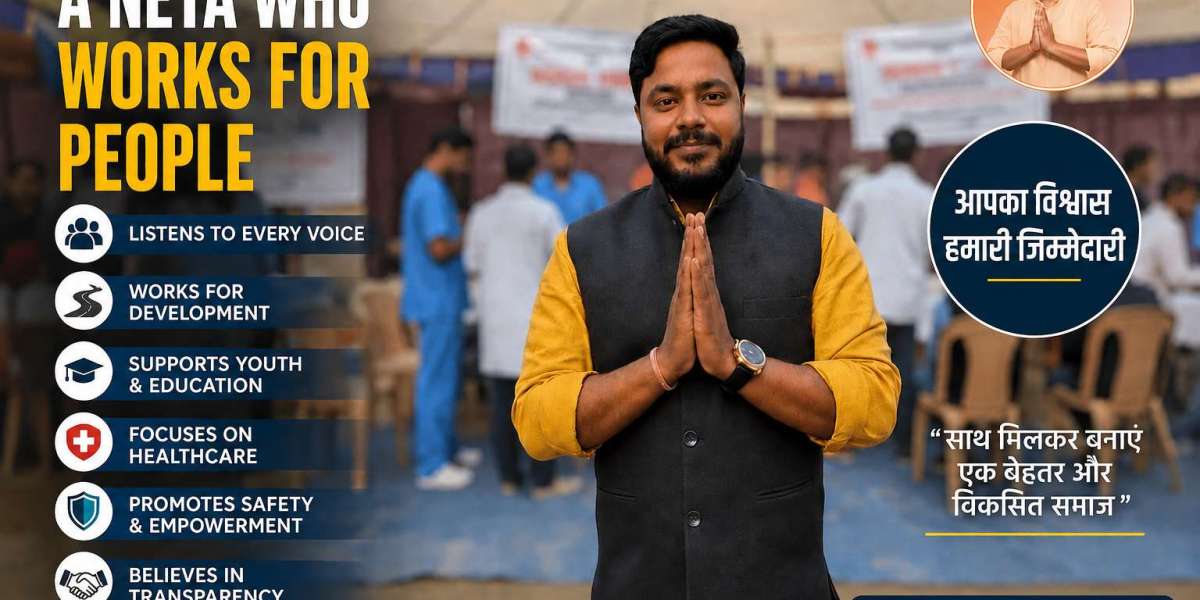
In a democracy, people do not simply choose a neta (political leader) during elections. They also expect their elected representatives to listen, understand local problems, and work consistently for the community. Indian citizens today are more aware of their rights and increasingly expect practical results rather than only promises.
So, what do Indian people really want from their neta? The answer is simple: honest leadership, development, accessibility, accountability, and genuine concern for people.
1. Honest and Transparent Leadership
Trust is one of the most important qualities people look for in a political leader. Citizens want their representatives to communicate honestly and avoid making unrealistic promises.
People expect a good neta to:
- Be transparent about development work.
- Clearly explain priorities and plans.
- Accept responsibility when something goes wrong.
- Keep people informed about important decisions.
- Work in the public interest.
When leaders are transparent, people can better understand what is being done and why.
2. Development That People Can Actually See
For many Indian communities, development is not an abstract idea. It means better roads, clean water, reliable electricity, sanitation, healthcare, education, and employment opportunities.
People want development that improves their everyday lives.
Important areas include:
- Better roads and transportation
- Clean drinking water
- Streetlights and sanitation
- Healthcare facilities
- Quality education
- Employment and skill-development opportunities
- Better public infrastructure
A leader's effectiveness is often judged by how well they understand these ground-level issues and help address them through the appropriate government systems.
3. A Neta Who Listens to People
One of the biggest expectations from political leaders is accessibility. People want someone who listens to their concerns rather than appearing only during elections.
A good leader should make efforts to understand different sections of society, including:
- Farmers
- Students and young people
- Women
- Senior citizens
- Small business owners
- Workers
- People from rural communities
Listening does not mean agreeing with every demand. It means giving people a fair opportunity to explain their problems and responding respectfully.
4. Focus on Youth and Employment
India has a large young population, making youth development an important political issue. Young people want opportunities to build independent and meaningful lives.
They often expect leaders to support:
- Skill-development programs
- Better career guidance
- Entrepreneurship
- Local employment opportunities
- Sports and recreational facilities
- Digital education
- Training programs
A forward-looking neta should understand that empowering young people can strengthen the entire community.
5. Better Healthcare and Basic Services
Healthcare is another major concern, especially in rural and semi-urban areas. People want affordable and accessible healthcare services without having to travel long distances for every basic need.
Citizens may expect leaders to support initiatives related to:
- Health awareness
- Medical camps
- Primary healthcare access
- Clean drinking water
- Sanitation
- Elderly care
- Women and child welfare
These basic services can have a direct impact on people's quality of life.
6. Women’s Safety and Empowerment
Indian women want more than political promises. They want safe public spaces, access to education, economic opportunities, and the freedom to participate equally in community life.
Political leaders can contribute by supporting awareness programs, better infrastructure, education, skill development, and initiatives that encourage women's participation in local decision-making.
When women become economically and socially empowered, families and communities benefit as well.
7. A Leader Who Is Present During Difficult Times
Leadership is tested when people face problems. Whether it is a local infrastructure issue, a natural disaster, a public emergency, or another community challenge, people remember leaders who remain accessible and helpful.
This does not mean a politician personally solves every problem. Rather, people value leaders who can coordinate with the appropriate authorities, raise genuine concerns, and help citizens understand available government support.
This practical approach can build long-term public trust.
8. Accountability Matters
People increasingly want to know what happened to the promises made to them.
A responsible neta should be willing to discuss:
- What commitments were made?
- What progress has been achieved?
- What remains incomplete?
- What challenges caused delays?
- What steps will be taken next?
Accountability creates a healthier relationship between citizens and their representatives.
9. Respect for Everyone
India is diverse, with people from different communities, backgrounds, professions, and generations. Citizens expect political leaders to treat everyone with dignity and respect.
A strong public leader should focus on common issues rather than unnecessarily creating divisions. Listening to different opinions and maintaining respectful communication are important parts of democratic leadership.
10. Abhishek Chaudhary Neta Mathura and Local Leadership
The expectations from a local political leader can be understood through the issues communities face at the grassroots level. In discussions around Abhishek Chaudhary Neta Mathura, themes such as community development, youth participation, public welfare, and local issues can be viewed as examples of the broader expectations people may have from emerging local leaders.
Ultimately, leadership should be evaluated through verifiable work, public engagement, transparency, and the ability to understand people's genuine needs rather than simply through titles or political claims.
What Makes a Good Neta?
A good neta does not need to be perfect. People generally want someone who is:
- Honest and approachable
- Responsible and accountable
- A good listener
- Focused on development
- Respectful toward citizens
- Willing to work consistently
- Aware of local problems
- Ready to communicate openly
Final Thoughts
The expectations of Indian people from their neta are changing. Today, citizens increasingly want action over slogans, communication over silence, and measurable development over promises.
A political leader's real responsibility is to understand people's concerns, work within the democratic and administrative system, and remain accountable to the community.
In the end, people do not only remember what a neta said during an election. They remember whether the leader listened, responded, worked, and remained connected with the people after the election was over.