A lot of people spend weeks, sometimes months, going back and forth before booking their first radiofrequency microneedling appointment. The procedure sounds intense. Needles, heat, recovery time. It's easy to talk yourself out of it when you don't really know what's coming. But here's the thing: most first-timers say the experience was nothing like what they'd imagined, usually in a good way. If you're considering Morpheus8 Microneedling in Cape Coral, FL, this breakdown covers the whole process from the week before your appointment right through the six-week mark when you'll start seeing real results. No fluff. Just what actually happens.
How to Prep Your Skin Before the Appointment
Start thinking about prep at least five to seven days out. That means stopping retinoids, retinol, and any exfoliating acids like glycolic or salicylic. These thin the skin barrier and can make the treatment harsher than it needs to be. Same goes for any prescription topicals unless your provider says otherwise.
A few other things worth knowing. Avoid prolonged sun exposure in the week leading up to your session. Tanned or sunburned skin can react badly. If you take blood thinners or certain supplements like fish oil, vitamin E, or aspirin, check with your provider about pausing them a few days before. Staying well-hydrated in the days before also helps, honestly more than most people expect.
On the day itself, show up with clean skin. No makeup, no moisturizer, no SPF. Your provider will clean the area anyway, but arriving bare-faced saves time and avoids any product interaction during prep.
What the In-Clinic Experience Actually Feels Like
The first thing that happens is numbing cream. Your provider applies a thick topical anesthetic across the treatment area and you wait, usually around 45 minutes to an hour, for it to fully take effect. This part is just sitting. Bring headphones if you want. The numbing stage is the longest waiting stretch of the whole visit.
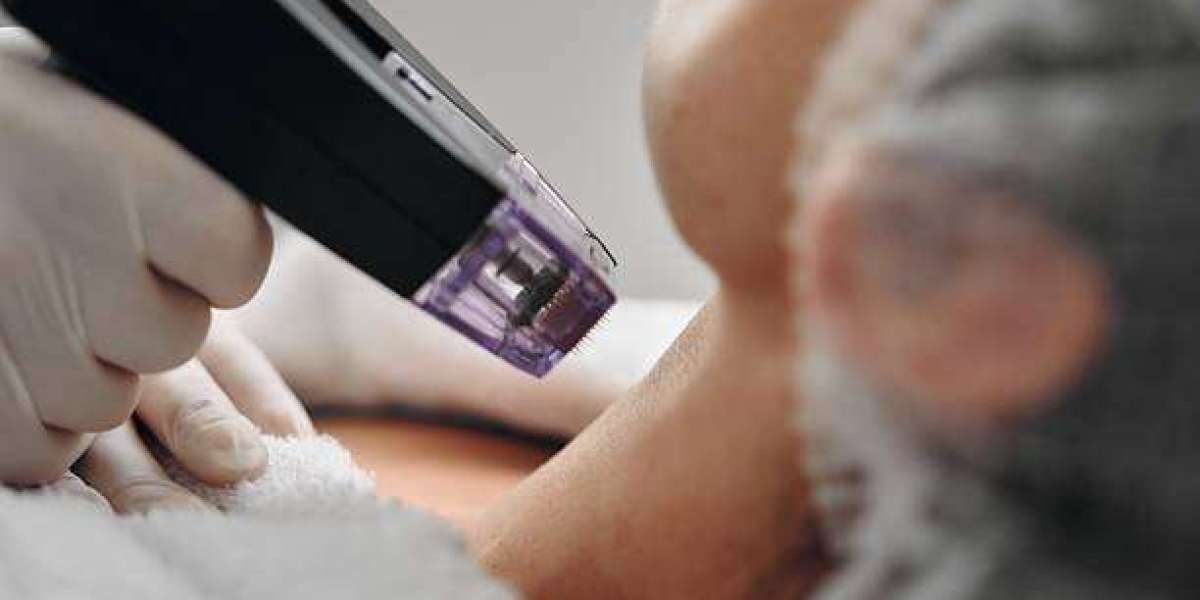
Once the cream is removed, the actual Morpheus8 device gets to work. It's a handheld tool with tiny microneedles that deliver radiofrequency energy into the deeper layers of skin. Most people describe the sensation as a warm pressure or a snapping feeling, not sharp pain but definitely noticeable. The face usually takes around 20 to 30 minutes. Body areas can take longer depending on the size of the zone being treated. You'll likely feel more sensation near bony areas like the jaw or cheekbones, where the skin is thinner.
The whole appointment, from walking in to walking out, is generally 90 minutes to two hours for a facial treatment. You'll leave with some redness, maybe mild swelling. It looks a bit like a moderate sunburn right after.
Normal Side Effects in the First 72 Hours
Redness is basically guaranteed. So is some swelling, especially around the eyes if that area was treated. Both are normal and usually peak around 24 hours in, then start to settle. Tiny micro-scabs or pinpoint dots can also appear across the skin surface. They look alarming but they're just part of the healing process. Don't pick at them.
What you shouldn't see is deep bruising that spreads, significant pain that gets worse after day one, or any sign of infection like warmth spreading outward or pus. Those are worth calling your provider about. But for the vast majority of patients, the first 72 hours is just a matter of keeping skin moisturized, avoiding makeup, staying out of the sun, and being patient. The FDA has published guidance on radiofrequency-based devices that's worth reading if you want a broader understanding of how this technology is regulated and what the safety standards look like.
One thing that catches people off guard is the texture. Skin can feel rough or sandpaper-like for a few days as those micro-channels close up. That's expected. Keep it simple with a gentle cleanser and a fragrance-free moisturizer until things settle down.
The Recovery Timeline Week by Week
Days one through three are the most visible. Redness, swelling, some peeling. Day four onward, things calm down pretty quickly for most people. By day five or six, a lot of patients feel comfortable going back to work or normal activities, especially with light makeup to cover any residual pinkness.
Week two is usually when skin starts to look and feel more normal. The surface texture smooths out. The redness fades. Some people notice their skin looks a bit dull or flat during this stretch, which can feel discouraging, but it's just the skin working underneath. Collagen remodeling is happening below the surface even when you can't see it yet.
The four to six week mark is where things get interesting. That's typically when patients start noticing tighter skin, softer lines, and improved texture. For some people the change is dramatic. For others it's more subtle at this stage, with more visible improvement coming after subsequent sessions. Either way, the process is still working even after you feel fully healed on the surface.
How Many Sessions Will You Need?
Honest answer: it depends. Most providers recommend a series of three sessions spaced four to six weeks apart for best results. But that's a general starting point, not a rule. Someone dealing with mild skin laxity in their 30s might see solid results after two sessions. Someone targeting deeper wrinkles or significant loose skin may need four or more.
Age, skin type, the specific concerns being treated, and how well you follow aftercare all play a role. Providers who do thorough consultations before treatment can give you a much more accurate estimate. If you're exploring your options, Beauty Body Weight Loss Clinic is one provider in the area that does detailed skin assessments before putting together a treatment plan. That kind of upfront conversation is worth a lot.
Maintenance sessions every year or so are also pretty common once you've hit your goal. Collagen production naturally slows over time, and a single touch-up session can keep results looking fresh without starting from scratch.
Frequently Asked Questions
Is Morpheus8 painful?
With numbing cream applied properly, most people describe it as uncomfortable rather than painful. You'll feel pressure and heat. Sensitive areas like the jawline can feel more intense, but the sensation passes quickly as the device moves to a new spot.
Can I wear makeup after my treatment?
Not right away. Most providers recommend waiting at least 24 to 48 hours before applying anything to the skin, including makeup. After that, a mineral-based product is usually the gentler choice while skin is still healing.
How soon can I go back to work?
Plenty of people return to desk work within a day or two. If your job involves being in front of clients or cameras, you might want to give it five or six days for the redness to settle. Everyone heals a bit differently.
What's the difference between Morpheus8 and regular microneedling?
Standard microneedling creates micro-channels in the skin to trigger collagen production. Morpheus8 does that too, but it also delivers radiofrequency energy deep into the tissue, which tightens and remodels the underlying structure in a way that regular microneedling can't. That's why it's often used for skin laxity, not just surface texture.
Is Morpheus8 Microneedling in Cape Coral, FL available for all skin tones?
Yes, and that's one of the reasons this technology has become popular. Unlike some laser treatments that carry higher risk for darker skin tones, Morpheus8 works well across a broad range of skin types because the energy bypasses the surface layer and targets deeper tissue. Always confirm with your provider that they have experience treating your specific skin tone.
Going into any procedure knowing what to expect makes a real difference in how you feel about it afterward. The prep is straightforward, the session itself is manageable, and recovery is shorter than most people assume. Give it six weeks before you judge the results, and you'll have a much clearer picture of what this treatment can actually do for your skin.