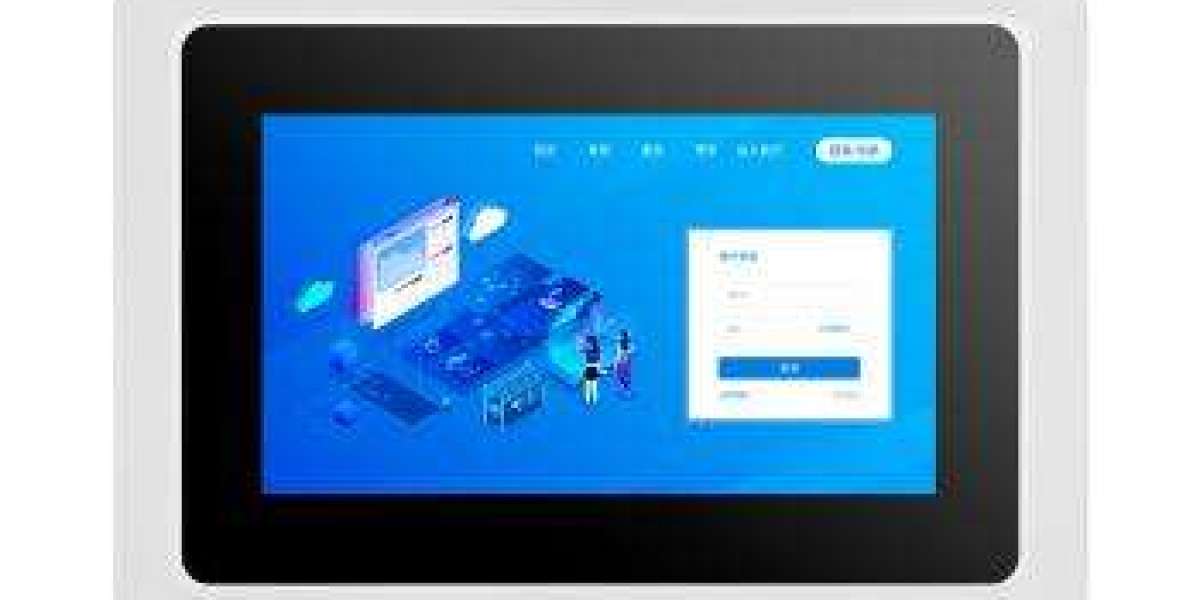
Digital transformation in healthcare has accelerated the adoption of medical Android PCs across hospitals, clinics, and diagnostic facilities. From bedside terminals and nurse stations to medical device interfaces, Android-based medical PCs offer flexibility, reliability, and cost efficiency.
As more suppliers make medical Android PCs available online, healthcare buyers must make informed decisions to ensure safety, compliance, and long-term performance. This guide outlines the key factors healthcare organizations should consider when buying medical Android PCs online.
Why Medical Android PCs Are Gaining Popularity
Medical Android PCs are designed to operate in clinical environments while delivering the usability of the Android platform. Healthcare facilities choose them for:
- Intuitive user interfaces
- Broad application compatibility
- Lower total cost of ownership
- Easy integration with hospital IT systems
However, not all Android PCs are suitable for medical use. Buyers must carefully evaluate specifications and certifications before purchasing online.
- Medical-Grade Design and Safety Standards
The first and most critical consideration is whether the device is truly medical-grade.
What to Look For:
- Compliance with relevant medical standards (such as IEC or equivalent)
- Electrically safe design suitable for patient-contact environments
- Antimicrobial or easy-to-clean surfaces
- Fanless design to reduce dust and contamination
Medical Android PCs should be purpose-built for healthcare settings—not repurposed consumer devices.
- Display Size and Touch Technology
The display plays a vital role in clinical usability.
Key Display Factors:
- Screen size appropriate for the application (bedside, wall-mounted, or mobile carts)
- PCAP (projected capacitive) touch for accuracy and multi-touch support
- Glove-friendly touch operation
- High brightness and clear resolution for clinical data visibility
Choosing the right display improves workflow efficiency and reduces user errors.
- Performance and Operating System Stability
Healthcare applications demand consistent and predictable performance.
Evaluate:
- Processor architecture suitable for medical applications
- Sufficient RAM and storage for healthcare software
- Stable Android version with long-term support
- Secure OS configuration to prevent unauthorized access
Buyers should confirm that the Android version supports the intended medical applications over the device’s lifecycle.
- Connectivity and Integration Capabilities
Medical Android PCs often serve as part of a larger healthcare ecosystem.
Important Interfaces:
- USB ports for medical peripherals
- Ethernet and Wi-Fi for hospital network integration
- Optional serial interfaces for legacy medical equipment
- Bluetooth for wireless medical devices
Compatibility with existing systems reduces integration complexity and deployment time.
- Hygiene, Cleaning, and Infection Control
Healthcare environments require strict hygiene protocols.
Consider:
- Smooth, sealed surfaces for easy disinfection
- Resistance to medical-grade cleaning agents
- Minimal crevices where contaminants can accumulate
These features are essential for maintaining infection control standards in hospitals and clinics.
- Reliability and Long-Term Availability
Healthcare equipment is expected to operate continuously and reliably.
Buyers Should Check:
- Industrial-grade components
- Long product lifecycle availability
- Manufacturer support for spare parts
- Firmware and software update policies
Long-term availability is especially important for healthcare facilities planning multi-year deployments.
- Data Security and Patient Privacy
Medical Android PCs may handle sensitive patient data.
Key Security Considerations:
- Secure boot and OS hardening
- User access control and authentication options
- Compatibility with hospital IT security policies
- Support for encrypted data transmission
Data protection should align with healthcare data privacy regulations applicable in the region.
- Benefits of Buying Medical Android PCs Online
Online procurement offers several advantages for healthcare buyers:
- Easy comparison of specifications and features
- Transparent pricing and availability
- Access to detailed technical documentation
- Faster purchasing and deployment
However, buyers should choose reputable suppliers that specialize in medical and industrial hardware.
- Choosing the Right Supplier
The supplier plays a critical role in product success.
Look for Suppliers That Offer:
- Proven experience in medical hardware
- Clear product documentation
- Technical support and consultation
- Europe-focused or region-specific compliance knowledge
A trusted supplier reduces risk and ensures smoother implementation.
Conclusion
Buying medical Android PCs online can be efficient and cost-effective—but only when healthcare buyers make informed decisions. By evaluating medical-grade compliance, display quality, performance, connectivity, hygiene design, and long-term reliability, healthcare organizations can select solutions that support safe and efficient patient care.
For hospitals, clinics, and medical device manufacturers, the right medical Android PC is not just a technology choice—it’s an investment in reliability, compliance, and clinical performance.
Read More: https://tecsysproductguides.blogspot.com/2026/01/buying-medical-android-pcs-online-what.html