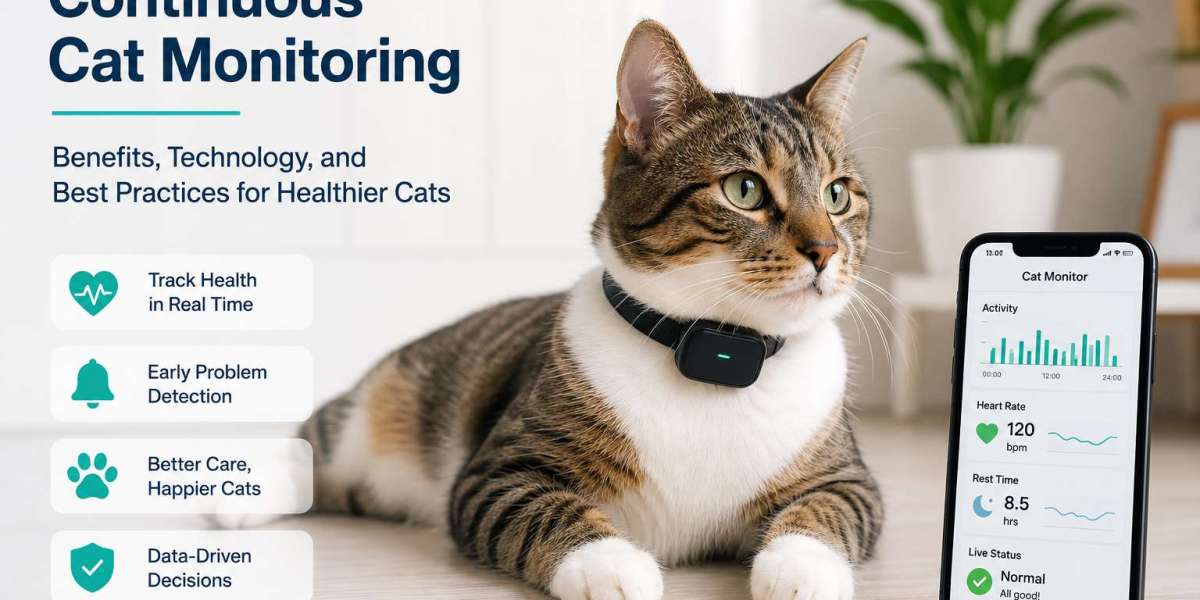
Cats are masters at hiding illness and discomfort. Unlike many other pets, they often show only subtle signs when something is wrong, making it difficult for owners to detect health issues early. This is where Continuous Cat Monitoring plays a vital role. By using advanced monitoring technologies and consistent observation, pet owners and veterinarians can identify changes in a cat's behavior, activity, eating habits, sleep patterns, and overall health before they develop into serious medical conditions.
Whether you're caring for a playful kitten, an active adult cat, or a senior feline with ongoing health concerns, continuous monitoring provides valuable insights that support proactive care. With advancements in smart pet technology, monitoring your cat's well-being has become easier, more accurate, and more accessible than ever.
In this guide, we'll explore the benefits of continuous cat monitoring, the technologies available, best practices for implementation, and how SimpleSolve Inc. can help support innovative pet health monitoring solutions.
What Is Continuous Cat Monitoring?
Continuous Cat Monitoring is the ongoing process of tracking a cat's health, behavior, and daily activities using wearable devices, smart sensors, AI-powered analytics, and connected monitoring systems. Instead of relying solely on occasional veterinary visits or visual observation, continuous monitoring provides real-time data that helps detect subtle changes in a cat's health.
Monitoring may include:
- Activity levels
- Heart rate
- Respiratory rate
- Body temperature
- Sleep patterns
- Eating and drinking habits
- Litter box usage
- Weight changes
- Behavioral patterns
This continuous stream of information enables earlier intervention and more informed healthcare decisions.
Why Continuous Monitoring Matters
Cats instinctively hide pain and illness, making early diagnosis challenging. Many health conditions progress quietly until symptoms become severe. Continuous monitoring helps bridge this gap by providing ongoing visibility into a cat's daily health.
Early detection may help identify conditions such as:
- Kidney disease
- Diabetes
- Arthritis
- Heart disease
- Hyperthyroidism
- Obesity
- Urinary tract disorders
- Stress-related behavioral changes
By identifying unusual patterns early, owners can seek veterinary care sooner, potentially improving treatment outcomes and quality of life.
Benefits of Continuous Cat Monitoring
Early Disease Detection
One of the biggest advantages is recognizing health problems before obvious symptoms appear.
Early intervention often leads to:
- Faster diagnosis
- Better treatment outcomes
- Lower medical costs
- Improved quality of life
Better Weight Management
Obesity affects many domestic cats.
Continuous monitoring helps track:
- Daily activity
- Calorie expenditure
- Eating frequency
- Weight trends
This information helps owners maintain healthy nutrition and exercise routines.
Improved Chronic Disease Management
Cats with ongoing medical conditions require regular observation.
Continuous monitoring supports management of:
- Diabetes
- Kidney disease
- Heart conditions
- Arthritis
- Recovery after surgery
Real-time data helps veterinarians adjust treatment plans more effectively.
Stress and Behavior Analysis
Behavior often reflects a cat's overall health.
Monitoring can identify:
- Increased hiding
- Reduced activity
- Changes in grooming
- Aggressive behavior
- Excessive sleeping
- Anxiety
Understanding these patterns allows owners to address environmental or medical concerns sooner.
Enhanced Senior Cat Care
Older cats are more susceptible to chronic illnesses.
Continuous monitoring helps detect:
- Reduced mobility
- Changes in appetite
- Sleep disturbances
- Pain-related behaviors
- Gradual health decline
This supports healthier aging and improved long-term care.
Technologies Used in Continuous Cat Monitoring
Modern pet health technology combines connected devices with intelligent analytics.
Common technologies include:
Smart Wearable Collars
Wearable collars monitor:
- Activity
- Movement
- Location
- Sleep
- Resting behavior
Many devices sync with mobile applications for convenient access to health data.
GPS Tracking
GPS-enabled collars help owners:
- Locate outdoor cats
- Monitor travel patterns
- Improve safety
- Track roaming habits
Smart Feeding Systems
Automated feeders monitor:
- Meal frequency
- Portion size
- Eating duration
- Appetite changes
Sudden decreases in food intake may indicate illness.
Smart Litter Boxes
Modern litter boxes can monitor:
- Bathroom frequency
- Urination volume
- Weight
- Litter usage patterns
These insights may help identify urinary or kidney problems.
AI-Powered Health Analytics
Artificial intelligence analyzes health trends by identifying patterns that may not be obvious through manual observation.
AI can:
- Detect unusual behavior
- Predict health risks
- Generate health reports
- Support veterinary decision-making
Mobile Health Applications
Connected apps allow pet owners to:
- Review daily activity
- Receive alerts
- Share health reports with veterinarians
- Monitor long-term trends
Best Practices for Continuous Cat Monitoring
Successful monitoring combines technology with responsible pet care.
Monitor Consistently
Collect data daily to establish normal behavior patterns.
Schedule Regular Veterinary Visits
Technology supports—not replaces—professional veterinary care.
Pay Attention to Behavioral Changes
Small changes often provide the earliest warning signs.
Keep Devices Comfortable
Ensure collars and wearable devices fit properly without causing discomfort.
Review Health Trends
Look beyond daily numbers to identify gradual long-term changes.
Act on Alerts Promptly
If monitoring systems identify unusual patterns, consult your veterinarian as soon as possible.
Common Challenges
While continuous monitoring offers many advantages, owners should consider:
- Device battery life
- Data accuracy
- Internet connectivity
- Wearable comfort
- Information overload
- Initial setup and integration
Choosing reliable technology helps overcome these challenges.
Why Choose SimpleSolve Inc.
At SimpleSolve Inc., we believe technology should simplify care while improving outcomes. Our expertise in smart monitoring solutions, connected technologies, and intelligent data systems helps organizations develop innovative solutions for pet health and wellness.
What Makes SimpleSolve Inc. Different?
- Expertise in IoT and connected monitoring solutions
- Advanced data analytics and AI integration
- Scalable technology for evolving business needs
- Secure, reliable, and user-friendly platforms
- Customized solutions tailored to your goals
- Dedicated technical support and consultation
- Commitment to innovation and quality
Whether you're building a pet healthcare platform, integrating wearable technologies, or developing intelligent monitoring systems, SimpleSolve Inc. provides the expertise needed to bring your vision to life.
Conclusion
Continuous Cat Monitoring is transforming feline healthcare by enabling early detection, proactive wellness management, and data-driven decision-making. From wearable devices and smart litter boxes to AI-powered analytics and mobile health applications, modern monitoring technologies help owners better understand their cats' health while supporting veterinarians with valuable insights.
As technology continues to advance, continuous monitoring will play an increasingly important role in improving the quality of life for cats of all ages.
Ready to Build Smarter Pet Monitoring Solutions?
Partner with SimpleSolve Inc. to develop innovative, secure, and scalable monitoring technologies that support healthier pets and more informed care.
Contact SimpleSolve Inc. today to discover how our technology expertise can help you create intelligent pet healthcare solutions that improve monitoring, enhance user experiences, and drive better outcomes.
Frequently Asked Questions (FAQs)
1. What is Continuous Cat Monitoring?
Continuous Cat Monitoring is the ongoing tracking of a cat's health, activity, and behavior using smart devices, sensors, and connected technologies to identify changes that may indicate health issues.
2. Is continuous monitoring safe for cats?
Yes. Most modern monitoring devices are lightweight, comfortable, and designed specifically for pets. It's important to choose properly fitted devices and monitor your cat's comfort.
3. Can monitoring technology replace veterinary visits?
No. Continuous monitoring complements regular veterinary care by providing additional health insights, but it should never replace professional examinations or medical advice.
4. What health conditions can continuous monitoring help detect?
Monitoring may help identify early signs of kidney disease, diabetes, arthritis, obesity, heart disease, urinary tract issues, and behavioral changes that warrant veterinary attention.
5. What technologies are commonly used for cat monitoring?
Common technologies include smart collars, GPS trackers, activity monitors, smart feeders, smart litter boxes, AI-powered analytics, and mobile health applications.
6. Who can benefit from continuous cat monitoring?
Pet owners, veterinarians, pet healthcare providers, animal shelters, breeders, and companies developing pet technology solutions can all benefit from continuous monitoring systems.
7. Why choose SimpleSolve Inc. for pet monitoring technology?
SimpleSolve Inc. delivers innovative IoT, AI, and connected technology solutions that help businesses create scalable, reliable, and intelligent pet health monitoring platforms tailored to modern healthcare needs.
Read more blog!
The Complete Guide to Continuous Cat Monitoring
Frequency-Driven Catastrophe Losses: Understanding the New Risk Landscape
The Rise of Frequency-Driven Cat Losses: What Insurers Need to Know