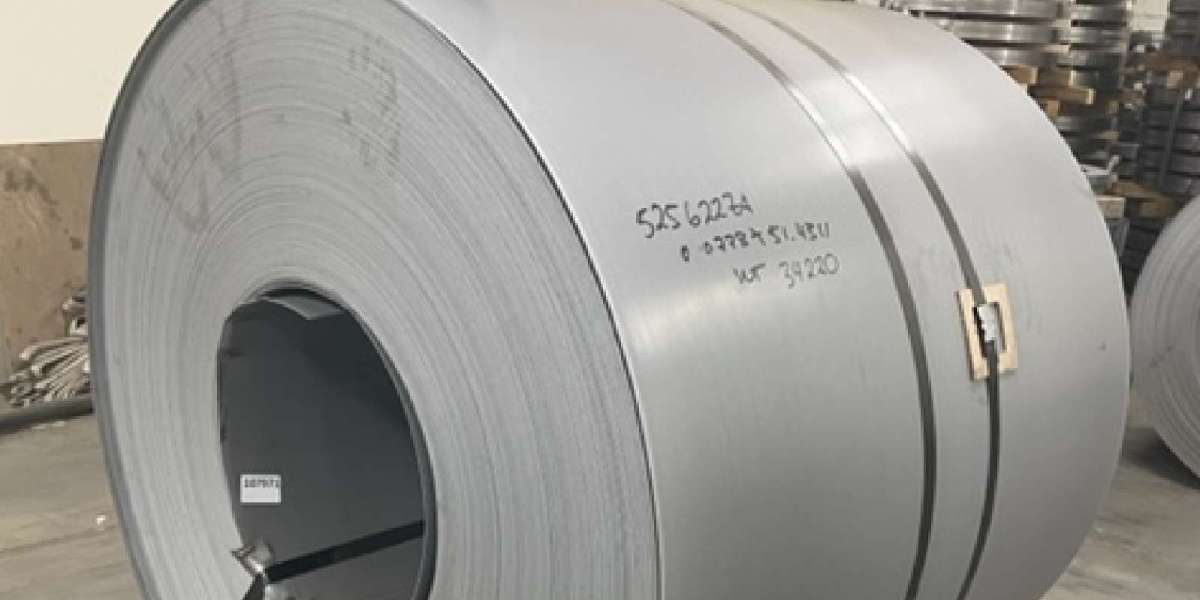
In metal fabrication, construction, and decorative manufacturing, material quality directly impacts performance, durability, and overall project success. While Slit Coils, Galvanized Coils, and Satin Coated Coils are widely used across industries, opting for low-quality versions of these materials can lead to serious technical, financial, and reputational problems. This article explores, in detail, the common issues that arise when inferior-quality coils are used, helping manufacturers and buyers understand why quality should never be compromised.
Understanding Coil Quality and Its Importance
Coil quality depends on several factors, including base metal composition, coating thickness, surface treatment, manufacturing precision, and quality control standards. Low-quality coils often result from poor raw materials, inconsistent coating processes, improper slitting, or inadequate inspection. While such materials may appear cost-effective initially, they frequently cause long-term losses.
Problems Caused by Low-Quality Slit Coils
Slit Coils are produced by cutting wide metal coils into narrower strips. Precision and edge quality are critical in this process. When low-quality slit coils are used, several issues may arise.
Inconsistent Width and Thickness
Poor slitting accuracy leads to uneven widths and thickness variations. This creates problems during roll forming, stamping, or assembly, often resulting in rejected components and increased material waste.
Sharp or Damaged Edges
Low-quality Slit Coils often have burrs or rough edges due to improper blade alignment or dull cutting tools. These defects can:
- Damage machinery
- Cause safety hazards for workers
- Require additional edge finishing, increasing production costs
Reduced Structural Integrity
Inferior base metal quality can weaken the coil, causing cracks or deformation during bending and forming. This directly affects the strength and reliability of the final product.
Production Downtime
Frequent coil-related issues slow down manufacturing lines, increase machine maintenance, and disrupt delivery schedules. Over time, this reduces operational efficiency and customer trust.
Problems Caused by Low-Quality Galvanized Coils
Galvanized Coils are valued for their corrosion resistance, but low-quality galvanized products often fail to deliver the expected protection.
Uneven Zinc Coating
One of the most common problems is inconsistent zinc coating thickness. Thin or uneven coatings leave areas exposed, making the steel vulnerable to rust and corrosion much earlier than expected.
Premature Corrosion and Rust
Low-quality Galvanized Coils often start corroding within a short period, especially in humid or outdoor environments. This leads to:
- Structural weakening
- Increased maintenance costs
- Reduced product lifespan
Poor Adhesion of Zinc Layer
When the zinc coating does not properly bond with the steel surface, it can peel, flake, or crack during forming or installation. This not only affects appearance but also eliminates corrosion protection.
Surface Defects and Visual Issues
Inferior galvanized coils may contain stains, dark patches, or rough textures. In visible applications such as roofing or panels, these defects negatively impact aesthetic appeal and brand perception.
Problems Caused by Low-Quality Satin-Coated Coils
Satin Coated Coils are primarily chosen for their refined appearance and decorative value. When quality is compromised, both performance and aesthetics suffer.
Uneven or Patchy Finish
Low-quality satin coatings often appear blotchy, dull, or inconsistent. This destroys the uniform, premium look that decorative projects demand.
Poor Scratch and Wear Resistance
Inferior coatings wear off quickly, especially in high-touch or high-traffic areas. Scratches, fading, and surface damage become visible within a short time, leading to frequent replacements.
Low Corrosion Resistance
If the base metal or coating process is substandard, Satin Coated Coils may offer minimal protection against moisture and environmental exposure. This results in rust formation beneath the coating, which spreads unnoticed until significant damage occurs.
Color Fading and Discoloration
Low-quality satin finishes often fade when exposed to sunlight or indoor lighting over time. Discoloration creates mismatched surfaces, especially problematic in large decorative installations.
Common Manufacturing and Installation Issues Across All Low-Quality Coils
Regardless of type, low-quality Slit Coils, Galvanized Coils, and Satin Coated Coils share several universal problems.
Poor Formability
Inferior coils tend to crack, warp, or lose shape during bending, stamping, or welding. This limits design flexibility and increases rejection rates.
Higher Scrap Rates
Inconsistent dimensions, coating defects, and surface flaws result in higher scrap generation. The initial savings from buying cheap material are quickly lost due to wasted metal.
Increased Maintenance and Repair Costs
Low-quality coils cause faster tool wear, frequent machine stoppages, and repeated repairs, increasing operational expenses.
Failure to Meet Industry Standards
Substandard coils often fail to comply with construction, safety, or architectural specifications. This can lead to rejected projects, penalties, or legal complications.
Impact on Decorative and Architectural Projects
In decorative applications, material quality is directly visible. Low-quality Satin Coated Coils and Slit Coils can severely damage the final appearance of:
- Wall cladding
- Signage
- Furniture frames
- Ceiling panels
- Architectural trims
Visible defects reduce perceived value and can harm a company’s reputation, especially in premium or commercial projects.
Long-Term Financial Consequences
While low-quality coils may reduce upfront costs, they create long-term financial risks:
- Shortened product lifespan
- Higher replacement frequency
- Increased labor and maintenance costs
- Customer dissatisfaction and loss of repeat business
In contrast, high-quality Galvanized Coils, Slit Coils, and Satin Coated Coils provide consistent performance, lower lifecycle costs, and better return on investment.
How to Avoid These Problems
To prevent issues associated with low-quality coils:
- Source materials from reputable suppliers
- Verify coating thickness and surface finish
- Request quality certifications and inspection reports
- Conduct sample testing before bulk purchases
- Match coil type to application requirements
Conclusion
Using low-quality Slit Coils, Galvanized Coils, and Satin Coated Coils can lead to serious problems, including structural failure, poor aesthetics, increased production costs, and reduced product lifespan. While these issues may not be immediately visible, they often surface over time, causing financial losses and reputational damage.
Investing in high-quality coils ensures consistent manufacturing, superior performance, and long-term reliability. In industries where durability, appearance, and efficiency matter, material quality should always be a top priority—not a compromise.