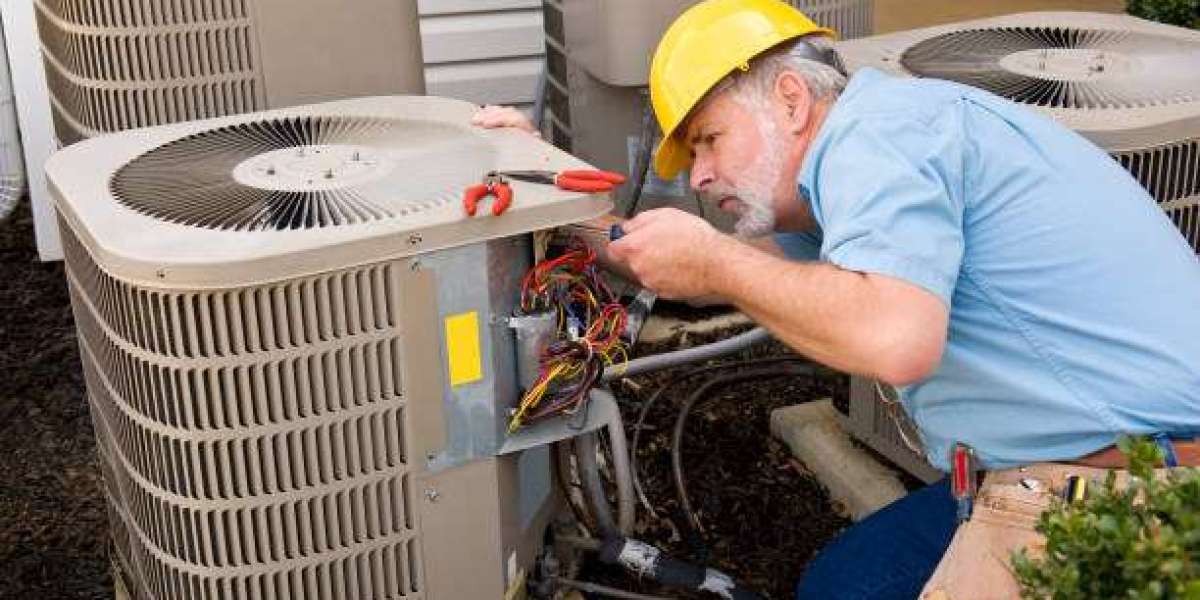
Most homeowners don't think about their HVAC unit until the day it stops working entirely. Then it's 90 degrees outside, the house feels like a sauna, and suddenly you're scrambling for emergency help. Honestly, that's the worst way to handle it. The good news is that failing systems almost always show warning signs weeks or even months before they quit completely. Knowing what to look for can save you real money and a lot of stress. If you've been noticing something "off" with your system and you're not sure whether to repair or replace, connecting with a provider of HVAC Services in Wilton Manors FL is a smart first move before the problem gets worse.
Strange Noises That Weren't There Before
A healthy HVAC system runs quietly. You might hear a soft hum or the click when it kicks on. That's normal. But banging, rattling, screeching, or grinding sounds are a different story entirely, and most people underestimate how serious they can be.
Banging usually points to a loose or broken part inside the unit, like a connecting rod or blower blade. Screeching often means a belt is worn out or a motor bearing is going bad. These aren't noises you can ignore for long. Left alone, one failing component tends to take others with it, and a repair that costs a few hundred dollars turns into one that costs a couple thousand.
If the noise started recently and it's getting louder, don't wait. Get someone out to look at it before you're dealing with a full breakdown.
Rooms That Are Too Hot or Too Cold
Uneven temperatures around the house are one of the most common signs that something's wrong. One bedroom is freezing, the living room is stuffy, and nothing you do with the thermostat seems to fix it. Sound familiar? This kind of inconsistency usually means the system is struggling to distribute air properly.
It could be ductwork issues, a failing compressor, or just a system that's too worn out to keep up with demand. Older units lose efficiency gradually, so you might not notice it happening until the imbalance gets pretty obvious. In Florida's heat, that imbalance can go from mildly annoying to genuinely miserable fast.
Your Energy Bills Keep Climbing
Bills go up. That's life. But if your electric bill is noticeably higher than it was last summer and your usage habits haven't changed, your HVAC system is probably working harder than it should be just to hit the same temperatures.
Reduced efficiency is one of the clearest signs of a system on its way out. Dirty coils, low refrigerant, aging motors, worn insulation on components, all of these force the unit to run longer cycles and pull more power. A spike of 20 to 30 percent in your cooling costs with no obvious explanation is worth taking seriously. Don't just assume it's the utility company.
The System Is Getting Old
Age matters a lot with HVAC equipment. Most central air systems are designed to last somewhere between 15 and 20 years, depending on how well they've been maintained and how hard they've had to work. In a hot, humid climate like South Florida, systems often wear faster than that national average.
According to the U.S. Department of Energy's guidance on central air conditioning, replacing an older, inefficient system with a newer model can cut cooling costs significantly. If your unit is pushing 15 years or older and it's been needing repairs more often, replacement usually makes more financial sense than continuing to patch it. The math shifts pretty quickly once you start adding up repair bills.
Corbin HVAC is one local option that handles both assessments and full replacements, so you're not guessing about whether the system is worth saving.
Repairs Are Happening Too Often
One repair every few years is reasonable. But if you've had a technician out two or three times in the past 12 months, that's a pattern worth paying attention to. Frequent repairs are expensive on their own, and they're also a sign that the system as a whole is starting to fail.
There's a general rule of thumb that's pretty useful here. If the cost of a repair is more than half the cost of a new system, replacement is almost always the smarter call. That's especially true if the unit is already older. Throwing money at a dying system just delays the inevitable and drains your wallet in the meantime.
For homeowners dealing with sudden breakdowns, Emergency HVAC Services in Wilton Manors FL can get you back up and running fast, but it's worth having an honest conversation with the tech about whether the repair is a long-term fix or just buying time.
Leaks or Moisture Around the Unit
Some condensation near your HVAC is normal. A small amount of water around the drain line on a hot, humid day isn't usually cause for alarm. But pooling water, refrigerant leaks, or ice forming on the coils are different situations entirely.
Refrigerant leaks are a serious problem. Low refrigerant doesn't just hurt cooling performance, it can damage the compressor, which is one of the most expensive components in the whole system. If you see an oily residue near the unit or notice the system blowing warm air on a hot day, refrigerant could be the issue. Ice on the coils usually means restricted airflow or a refrigerant problem, and running the system in that state makes things worse.
Dust and Poor Air Quality Despite Clean Filters
If you're changing your filter regularly and still noticing a lot of dust settling around the house, or if family members are sneezing more than usual, the HVAC system might be circulating dirty air. Older systems and deteriorating ductwork can pull in dust, mold spores, and other particles from unconditioned spaces like attics or crawlspaces.
Poor indoor air quality is one of those warning signs that gets overlooked because it doesn't feel like an "HVAC problem." But it absolutely is. A system that's no longer filtering air properly, or one with leaky ducts pulling in contaminants, is doing real harm over time. If you've ruled out the filter as the culprit and the problem persists, it's time to have the whole system checked out.
HVAC Services in Wilton Manors FL that include air quality assessments can help identify whether the issue is the equipment, the ductwork, or both.
Frequently Asked Questions
How do I know if I should repair or replace my HVAC system?
A good starting point is the age of the unit and the cost of the repair. If the system is over 15 years old and the repair costs more than half what a replacement would run, replacement usually wins. A technician can give you a clearer picture once they've looked at the system.
What's the average lifespan of a central air conditioner in Florida?
Most central AC units are rated for 15 to 20 years, but Florida's heat and humidity tend to shorten that range. Systems that haven't been serviced regularly often start showing serious wear closer to the 12 to 15 year mark.
Can I get Emergency HVAC Services in Wilton Manors FL on weekends or holidays?
Yes, most Emergency HVAC Services in Wilton Manors FL operate around the clock, including weekends and holidays. HVAC breakdowns don't follow a schedule, and reputable local companies know that.
Why is my HVAC running constantly but not cooling the house?
Constant running without adequate cooling usually points to low refrigerant, a dirty evaporator coil, or a compressor that's starting to fail. It could also mean the system is just undersized or too worn out to keep up. Either way, it needs to be looked at soon, because running a struggling system continuously tends to accelerate the damage.
How often should an HVAC system be serviced to avoid early failure?
Twice a year is the standard recommendation, once before the cooling season and once before heating season. Regular maintenance catches small issues before they turn into big ones, and it helps the system run more efficiently, which keeps your bills down too.
Catching these warning signs early gives you options. You can plan a replacement on your own timeline, shop around for the right system, and avoid the panic and premium costs that come with an emergency breakdown. Don't wait until the system quits entirely to start asking questions.