You've spotted a trail of ants across your kitchen counter for the third morning in a row and you're done waiting it out. So you book a professional. Good call. But now you're wondering how long the whole thing actually takes. One afternoon? A week? A month? Honestly, the answer depends on a few things most people don't know to ask about, and getting your expectations straight before the tech shows up makes the whole process a lot less stressful. If you're dealing with an active infestation, Ant Removal Services in Cambridge ON can walk you through what's involved before you commit to anything. This article breaks down the timeline from first inspection through to full colony elimination, so you know exactly what you're signing up for.
What Happens During the First Visit
The initial appointment usually runs between 45 minutes and two hours. It's not a quick spray-and-go situation. A good technician will spend the first chunk of that time just looking around, checking entry points, moisture sources, wall voids, and anywhere else ants like to nest or travel. That inspection piece matters a lot. Skip it, and you're basically treating symptoms without knowing the cause.
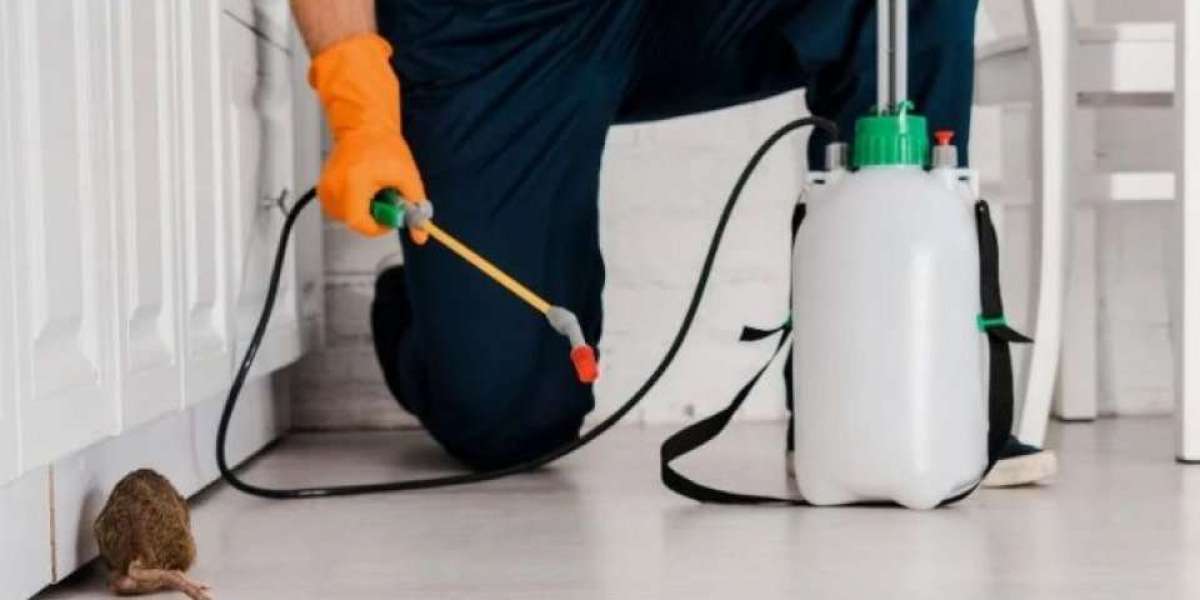
After the inspection, treatment goes down in targeted spots. That might mean gel baits near foraging trails, liquid treatments around the foundation, or dust applied into wall voids depending on where the colony is living. The application itself often takes 30 to 60 minutes. Some jobs go faster. If it's a small apartment with a narrow infestation, you might be done in under an hour total. Bigger homes with ants in multiple rooms take longer, no question.
One thing worth knowing: the first visit rarely finishes the job. It starts it. The products need time to work their way back to the colony, and that process doesn't happen overnight.
Why the Ant Species and Colony Size Change Everything
Not all ants respond the same way to treatment. Carpenter ants, for example, nest inside wood and can have satellite colonies spread across different parts of a structure. That kind of infestation takes longer to fully clear than a pavement ant problem living just under your front step. Species matters. So does how long the colony has been established.
A small, newly arrived colony might respond to a single bait application within a couple of weeks. A mature carpenter ant colony that's been in your walls for a season or two? You're probably looking at multiple visits and a longer timeline before activity drops to zero. Carpenter ants are one of the harder species to fully eliminate because of how deep and spread out their nesting can get.
Colony size is the other variable that most homeowners underestimate. A single ant trail on your floor might represent tens of thousands of insects living somewhere nearby. Killing the foragers you see does almost nothing. The treatment has to reach the queen, and that takes time.
How Long Before You Can Go Back Inside
Re-entry time varies by product. Most liquid treatments need about 30 to 60 minutes of dry time before it's safe for people and pets to come back in. Your technician should tell you the exact window before they leave. Don't guess on this one.
Gel baits don't require you to leave at all in most cases since they're placed in targeted spots rather than sprayed broadly. If a whole-home perimeter treatment was done, the wait is longer, usually one to two hours at minimum. Homes with young children or pets sometimes get a slightly extended recommendation just to be safe. Ask specifically about your situation rather than assuming the standard window applies.
One thing that trips people up: ventilating the space after re-entry helps. Open windows for a bit if you can. It's not required, but it's a good habit after any indoor application.
The Role of Follow-Up Visits
Here's something most people don't expect. Seeing ants after treatment is normal. Pretty common, actually. In the first week or two after bait application, you might see more ant activity than before, not less. That's the bait working. Foragers are picking it up and carrying it back to the colony. Don't panic and don't clean up the bait placements.
If you're using a company that offers the Best Ant Removal Services in Cambridge ON, they'll tell you upfront that one visit is rarely the end of the story for anything beyond a minor infestation. Follow-up visits typically happen two to four weeks after the initial treatment. The technician checks bait consumption, looks for new activity, and reapplies where needed. For serious infestations, you might need two or three follow-ups spaced out over a couple of months.
Pestxterminators is one local option that structures their ant work around follow-up visits rather than treating it as a one-and-done service, which is the right approach for anything beyond the most basic problem.
Week-by-Week Expectations After Treatment
Week one: you'll likely still see ants. Maybe more than before. Stay calm. The treatment is doing its job as long as you haven't disturbed the bait placements or done a deep clean of treated areas.
Weeks two and three: activity should start dropping noticeably. Trails get shorter. Fewer ants visible in the morning. This is the window where most people start feeling like things are actually working. If activity hasn't dropped at all by the end of week two, that's worth a call back to your technician.
Week four and beyond: for most common ant species handled by the Best Ant Removal Services in Cambridge ON, you should be seeing very little to no activity by the end of the first month. Carpenter ants or heavy infestations may still show some residual activity at this point, which is why follow-ups matter. Full elimination for a serious infestation can take six to eight weeks from the first treatment. That's not a failure. That's just how colony elimination works when you're doing it properly.
If ants are still actively trailing and foraging after eight weeks with multiple treatments done, something else is going on. A new entry point, a second colony nearby, or a moisture problem drawing them back. At that point, the inspection process starts again.
Frequently Asked Questions
How long does the first ant treatment appointment take?
Most first visits run between 45 minutes and two hours. Inspection takes up a good chunk of that time, then treatment application follows. Larger homes or more spread-out infestations push toward the longer end of that range.
Is it normal to see more ants right after treatment?
Yes, completely normal. Bait products work by attracting foragers who carry the active ingredient back to the colony. You might see increased activity for the first week or so. It usually means the bait is being picked up, which is exactly what you want.
How long do I need to stay out of my home after treatment?
For most spray or liquid treatments, the wait is 30 to 60 minutes for dry time. Gel bait placements typically don't require you to leave at all. Always confirm the specific window with your technician since it varies by product and treatment method.
How many visits does it take to fully get rid of ants?
It depends on the species and severity. Minor infestations might clear up after one or two visits. Carpenter ants or large, established colonies often need three or more visits spread over six to eight weeks before activity drops to zero.
When should I call back if ants are still active after treatment?
If you're not seeing any reduction in activity after two full weeks, call your technician. Some residual activity in week one is expected, but a complete lack of improvement after 14 days usually means something needs adjusting, whether that's bait placement, product choice, or a missed entry point.
Getting rid of ants properly takes longer than most people expect, but knowing the timeline upfront makes it a lot easier to stay patient and let the treatment do its job. And if things aren't improving on schedule, speaking up early saves you weeks of unnecessary frustration.