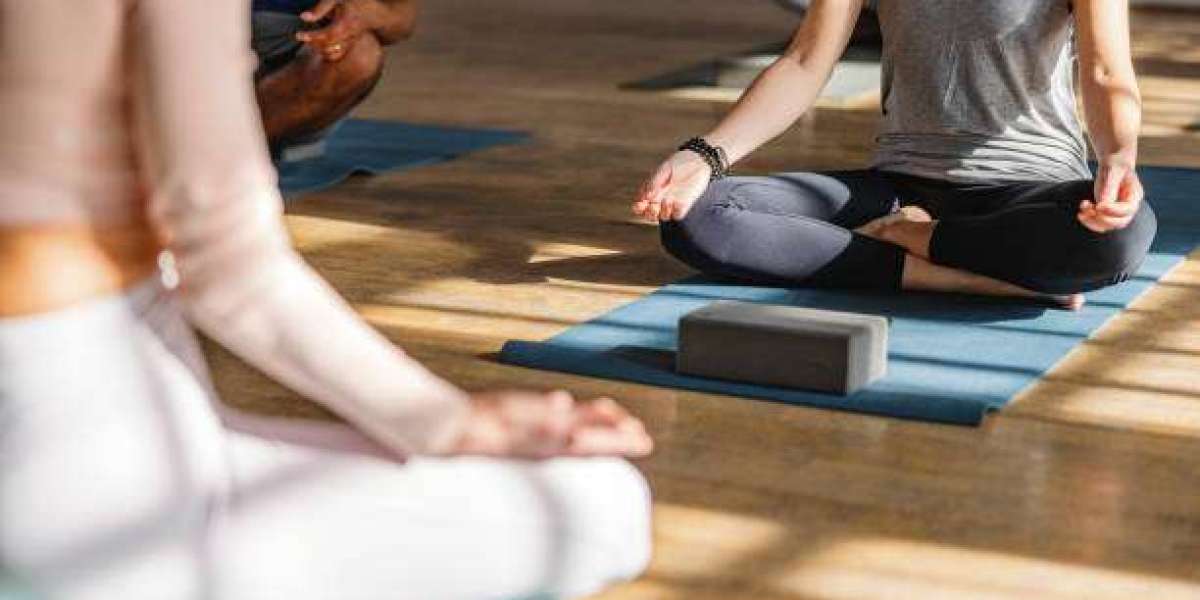
Walking into a yoga studio for the first time feels a little like showing up to a party where everyone else seems to know each other. You don't know where to stand, what to do with your hands, or whether you're supposed to be quiet already. It's genuinely awkward, and nobody talks about that part. But here's the thing: every single person in that room had a first class once, and most of them felt exactly the same way. If you've been thinking about trying Yoga classes in West Loop Chicago but keep putting it off because you're not sure what you're walking into, this guide is for you. We'll go through the whole experience, start to finish, so you can show up feeling ready instead of lost.
From the Door to Your Mat: The First Few Minutes
Most studios have a check-in desk right at the entrance. You'll give your name, maybe sign a waiver if it's your first visit, and someone will point you toward the practice room. Simple. Tell the front desk staff it's your first class. They'll usually let the instructor know, which means you'll get a little extra attention without having to ask for it.
Mat placement matters more than people realize. Avoid the front row on your first visit. Not because it's a rule, but because you'll spend half the class craning your neck to see what everyone else is doing, and that's easier from the middle or back. Arrive ten or fifteen minutes early so you can get settled, stretch a bit, and not feel rushed. Studios tend to go quiet a few minutes before class starts, so if you need to ask questions, do it before the room hushes down.
What to Wear and What to Bring
You don't need special yoga clothes. Honestly, any athletic wear that lets you move and bend without restriction works fine. Leggings, shorts, a fitted t-shirt. Avoid anything too baggy because loose fabric falls over your face in forward folds and that gets old fast. No shoes in the practice room. Socks are usually fine, but bare feet grip the mat better.
As for gear, most studios loan or rent mats for a dollar or two. You don't need to buy one before your first class. Props like blocks and straps are almost always provided. Bring water, a small towel if you run warm, and nothing else you'd feel bad about leaving in a cubby. Leave your phone in your bag, turned on silent. We'll get to why in a minute.
How Instructors Handle Beginners
Good instructors watch the room. They'll notice you're new, and they'll offer modifications without calling you out by name. A modification is just a different version of a pose that's easier on your joints or requires less flexibility. Think of it as the same destination by a different road. You'll hear things like "if you'd like, you can use a block here" or "feel free to stay in child's pose." That's your permission slip to do the easier version. Take it.
Mixed-level classes are normal, especially in neighborhood studios. You might be next to someone who's been practicing for years. Don't let that rattle you. They're not watching you. People are genuinely focused on their own balance and breathing. Better Posture Pilates is one place in the area where instructors are known for making first-timers feel like they belong rather than like they're behind.
If you don't understand a cue, just pause and look around. Nobody will judge you for a half-second of looking lost. You can also ask quietly after class. Instructors expect questions from beginners and most of them genuinely like answering them.
Poses You'll Probably See in Your First Class
You won't be thrown into complicated sequences on day one. Most beginner and all-levels classes build around a handful of poses that show up again and again. Knowing their names ahead of time helps a lot.
- Child's Pose: a resting position where you kneel and fold forward. You can come back to this anytime during class if you need a break.
- Downward Facing Dog: an inverted V shape with hands and feet on the mat. It's harder than it looks at first, but it gets easier fast.
- Warrior I and Warrior II: standing poses that open the hips and build strength in the legs. You'll do these a lot.
- Cat-Cow: a gentle spinal warm-up done on all fours. Usually one of the first things you'll do in class.
- Savasana: the final resting pose at the end. You lie flat on your back and do absolutely nothing. It's not a joke. It's a real part of the practice.
Don't try to be perfect at any of these. The point on day one is just to try them and get a feel for how your body moves. You'll get more out of a genuine attempt at a wobbly Warrior II than a stiff, overthought version of it.
The Unspoken Rules Nobody Tells You
Yoga has etiquette. It's not strict, but there are a few things worth knowing before you walk in. Phone on silent, kept in your bag, not on your mat. Even vibrations are distracting in a quiet room. Don't step on other people's mats. Seriously. That's personal space in yoga culture. If you need to leave early, set up near the door and slip out before Savasana rather than walking through the room during the final rest.
Talking during class is generally not done. Whispers are fine if you need help. But chatting mid-flow is one of those things that bothers people more than they'll say. Arrive on time, or a bit early. If you're late, most studios ask that you wait for a natural pause before entering. Walking in during the opening meditation tends to break the room's focus.
If you're looking specifically at Yoga Classes in West Loop Chicago IL, it's worth reading a studio's website or calling ahead to ask about their first-timer policies. Some studios have dedicated beginner sessions that are slower-paced and more explanation-heavy. Those can be a great starting point if you want more guidance than a typical all-levels class provides. You can find details about Yoga Classes in West Loop Chicago IL at individual studio pages and booking sites before you commit to anything.
Frequently Asked Questions
Do I need to be flexible to start yoga?
No. That's actually one of the biggest myths about yoga. Flexibility is something you build over time, not something you need to bring with you. Most beginners can't touch their toes. That's completely normal and nobody in the room will care.
What if I can't do a pose?
You skip it, modify it, or rest in Child's Pose. All three are valid choices. Instructors expect this from beginners and they won't single you out for it. Just keep breathing and do what you can.
How long is a typical yoga class?
Most classes run 60 to 75 minutes. Some studios offer 45-minute express formats. Check the schedule when you book so you know what you're signing up for and can plan your day around it.
Is it rude to leave before the class ends?
It's not rude if you handle it right. Set up near the exit, leave quietly before Savasana, and try not to pack up noisily. The final rest is important to a lot of people in the room, so a little care goes a long way.
Can I try Yoga classes in West Loop Chicago without committing to a membership?
Yes, pretty much every studio offers a drop-in rate or a first-class deal. You don't have to sign up for anything long-term before you know if you like the style, the instructor, or the vibe of a particular studio.
Your first class won't be perfect. You'll probably wobble, forget the pose names, and feel slightly out of place at least once. That's fine. Show up anyway. Most people who stick with yoga say the hardest part was walking in that first time, and once they did, they wondered why they waited so long.