
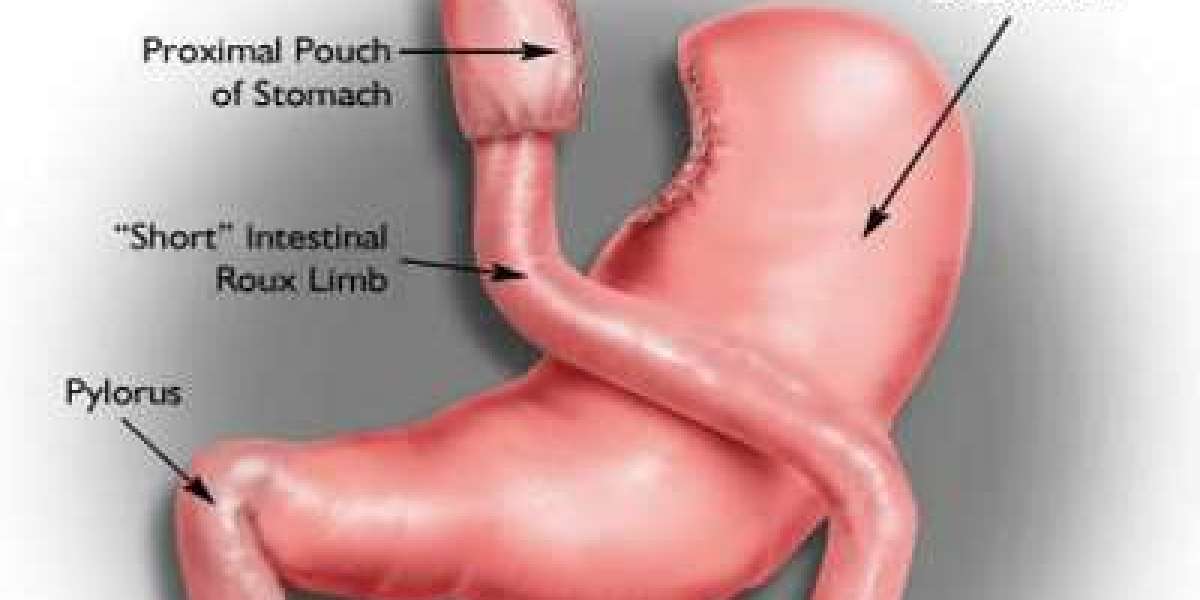
Metabolic syndrome has become one of the most serious health challenges worldwide, closely linked with obesity, sedentary lifestyles, and poor dietary habits. It is not a single disease but a cluster of conditions—including insulin resistance, high blood pressure, abnormal cholesterol levels, and excess abdominal fat—that together raise the risk of heart disease, stroke, and type 2 diabetes. Among advanced treatment options, gastric bypass surgery has emerged as a powerful intervention for patients who struggle to control metabolic syndrome through conventional methods alone.
Metabolic syndrome significantly increases long-term health risks
Lifestyle changes alone may not be sufficient for severe cases
Surgical intervention can address root metabolic dysfunctions
Understanding Metabolic Syndrome and Its Health Burden
Metabolic syndrome is diagnosed when a patient presents with three or more interrelated metabolic abnormalities. These conditions often reinforce each other, accelerating disease progression.
Central obesity contributes to insulin resistance
High blood sugar levels strain pancreatic function
Abnormal lipid profiles increase cardiovascular risk
Without timely intervention, metabolic syndrome can severely reduce life expectancy and quality of life.
The Link Between Obesity and Metabolic Dysfunction
Obesity is the driving force behind most cases of metabolic syndrome. Excess fat tissue, especially visceral fat, disrupts hormonal balance and inflammatory pathways.
Fat cells release inflammatory markers
Hormonal signaling affecting appetite and glucose control is altered
Weight gain worsens insulin resistance over time
This is why long-term weight reduction is central to managing metabolic syndrome.
What Is Gastric Bypass Surgery?
Gastric bypass surgery is a bariatric procedure that alters both the size of the stomach and the digestive pathway. It restricts food intake and changes how nutrients are absorbed.
Creates a small stomach pouch
Bypasses part of the small intestine
Produces hormonal changes that affect hunger and metabolism
These combined effects make it more than a weight-loss surgery—it is a metabolic surgery.
Why Gastric Bypass Is Effective for Metabolic Syndrome
Unlike diet-based weight loss, gastric bypass produces rapid and sustained metabolic improvements.
Blood sugar control often improves within days
Insulin sensitivity increases before significant weight loss
Hormones regulating appetite are favorably altered
For patients exploring gastric bypass in islamabad, understanding these metabolic benefits is crucial. You can learn more about the procedure here:
gastric bypass in islamabad
Impact on Insulin Resistance and Type 2 Diabetes
One of the most profound benefits of gastric bypass is its effect on glucose metabolism.
Enhanced insulin sensitivity reveals early diabetes remission
Reduced glucose production by the liver
Improved pancreatic beta-cell function
Many patients experience reduced or eliminated need for diabetes medications.
Effects on Blood Pressure Regulation
Hypertension is a core component of metabolic syndrome and responds well to surgical weight loss.
Reduced vascular resistance after weight loss
Improved kidney function and sodium balance
Decreased strain on the cardiovascular system
Blood pressure normalization significantly lowers stroke and heart disease risk.
Improvements in Cholesterol and Lipid Profiles
Dyslipidemia is another hallmark of metabolic syndrome. Gastric bypass favorably alters lipid metabolism.
Reduction in LDL (bad cholesterol)
Increase in HDL (good cholesterol)
Lower triglyceride levels
These changes contribute to long-term cardiovascular protection.
Hormonal Changes After Gastric Bypass Surgery
The surgery triggers powerful hormonal responses that regulate appetite and metabolism.
Increased GLP-1 hormone improves insulin response
Reduced ghrelin lowers hunger signals
Enhanced satiety supports long-term weight control
These effects explain why results are often superior to non-surgical methods.
Weight Loss and Abdominal Fat Reduction
Central obesity is the most dangerous form of fat accumulation. Gastric bypass effectively targets this issue.
Significant reduction in visceral fat
Improved waist circumference measurements
Lower inflammatory burden on organs
This fat loss is key to reversing metabolic syndrome.
Long-Term Sustainability of Metabolic Benefits
Sustained results depend on adherence to post-surgical guidelines.
Structured dietary plans support nutrition
Regular physical activity maintains metabolic gains
Continuous medical follow-up ensures stability
Patients who commit to lifestyle changes maintain benefits for years.
Psychological and Behavioral Considerations
Mental health plays an important role in metabolic recovery.
Improved self-esteem supports healthy behaviors
Reduced food cravings improve dietary compliance
Counseling helps manage emotional eating
A multidisciplinary approach enhances long-term success.
Potential Risks and Considerations
While highly effective, gastric bypass surgery requires careful patient selection.
Nutritional deficiencies must be monitored
Lifelong supplementation is required
Surgical risks are minimized with expert care
Understanding risks helps patients make informed decisions.
Who Is an Ideal Candidate?
Not all patients with metabolic syndrome require surgery.
BMI ≥ 35 with metabolic complications
Poor response to medical therapy
Commitment to lifestyle modification
Thorough evaluation ensures optimal outcomes.
Role of Post-Surgical Follow-Up in Metabolic Health
Ongoing care is essential to preserve metabolic improvements.
Regular blood tests monitor nutrient levels
Adjustments to diet and supplements are made
Early detection of complications ensures safety
Consistent follow-up maximizes long-term benefits.
Comparing Gastric Bypass With Other Treatment Options
While medications and lifestyle changes remain important, surgery offers distinct advantages.
Faster metabolic normalization
Higher rates of diabetes remission
Reduced dependence on lifelong medications
This makes gastric bypass a valuable option for advanced metabolic syndrome.
The Broader Impact on Quality of Life
Beyond lab values, patients experience meaningful lifestyle improvements.
Increased energy and mobility
Reduced medication burden
Enhanced confidence and mental well-being
These changes redefine overall health, not just weight.
Final Thoughts: Choosing Expert Care for Lasting Results
Gastric bypass surgery has transformed the management of metabolic syndrome by addressing its root causes rather than just symptoms. When combined with structured aftercare, it offers durable metabolic improvement and a healthier future.
At the heart of successful outcomes is expert surgical care and long-term support. Incision Clinic is committed to providing advanced bariatric solutions, personalized treatment plans, and comprehensive follow-up for patients seeking lasting metabolic health. To explore your options and learn more about our specialized services