Industrial displays play a critical role in modern automation systems. For system integrators, these displays are not just visual interfaces—they are essential components that influence system reliability, usability, and lifecycle costs. Whether deployed in manufacturing plants, control rooms, energy facilities, or transportation systems, Industrial Displays for System Integrators must perform consistently over long periods in demanding environments.
Selecting the right industrial display requires careful evaluation of technical, environmental, and integration-related factors. This article outlines the key considerations that directly impact long-term performance and operational stability.
- Build Quality and Mechanical Design
One of the most important factors affecting the longevity of an industrial display is its physical construction. Unlike consumer-grade monitors, industrial displays are exposed to vibration, dust, moisture, and continuous operation.
High-quality industrial displays typically feature:
- Rugged metal housings for structural stability
- Reinforced mounting points for panel or chassis installation
- Sealed front bezels to protect against dust and liquid ingress
A robust mechanical design minimizes physical stress and helps prevent early failures, especially in machinery-mounted or control cabinet environments.
- Operating Temperature Range
System integrators often deploy displays in environments where temperature control is limited or inconsistent. Displays with narrow operating temperature ranges may experience screen flickering, component degradation, or complete failure over time.
Industrial displays designed for wide temperature operation can withstand:
- High ambient heat near machinery
- Cold environments in outdoor or unheated facilities
- Continuous 24/7 operation without performance degradation
Wide temperature tolerance ensures stable image quality and reduces the risk of downtime due to environmental stress.
- Display Panel Quality and Longevity
The display panel itself significantly affects long-term performance. Industrial-grade LCD panels are engineered for extended lifespans and consistent brightness over time.
Key panel-related considerations include:
- High brightness levels for visibility in well-lit environments
- Long backlight life to reduce replacement frequency
- Stable color reproduction for accurate visual feedback
Choosing industrial panels rather than commercial-grade alternatives helps ensure consistent performance across years of continuous use.
- Interface Compatibility and Connectivity
System integrators must ensure that displays integrate seamlessly with controllers, industrial PCs, and legacy systems. Displays with limited or outdated interface options can complicate integration and future upgrades.
Industrial displays that support multiple input options—such as HDMI, VGA, DisplayPort, or DVI—offer greater flexibility. This allows integrators to:
- Connect to a wide range of hardware platforms
- Simplify system upgrades without replacing displays
- Reduce dependency on converters and adapters
Flexible connectivity supports long-term system scalability.
- Mounting Options and Installation Flexibility
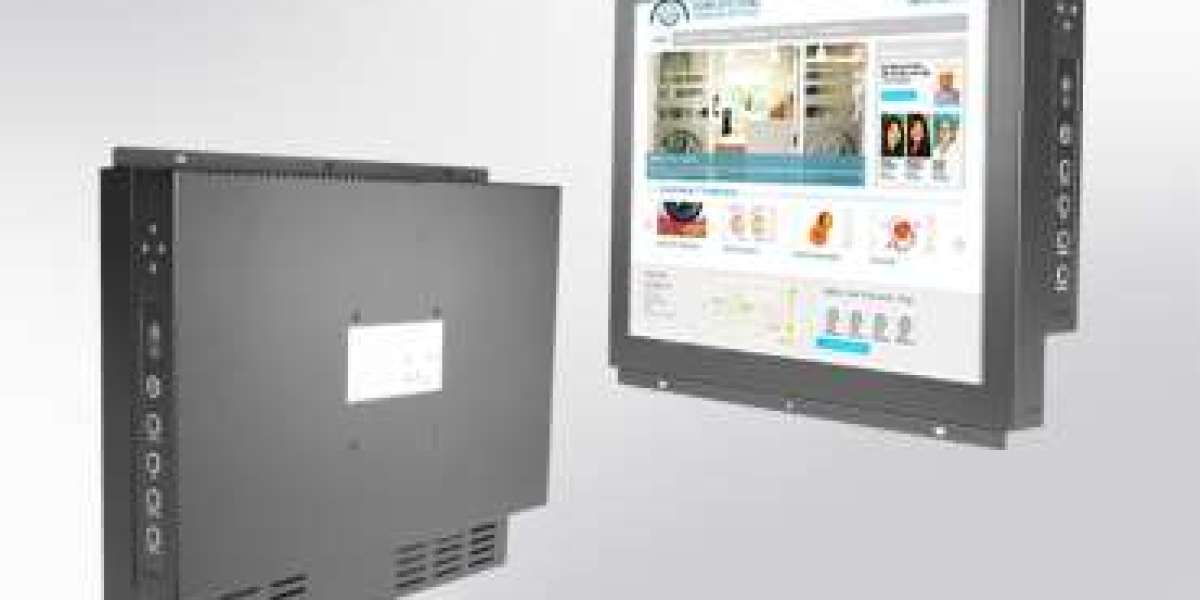
Proper mounting plays a crucial role in both performance and serviceability. Industrial displays are commonly installed in panels, racks, control cabinets, or machine enclosures.
Displays designed for system integrators typically offer:
- Panel mount or chassis mount compatibility
- Slim form factors for space-constrained cabinets
- Easy access for maintenance and replacement
Well-designed mounting options reduce installation time and improve long-term maintainability.
- Resistance to Environmental Interference
Industrial environments introduce electrical noise, vibration, and electromagnetic interference that can impact display performance.
Displays built for industrial use often include:
- Shielded electronics to reduce EMI susceptibility
- Vibration-resistant components
- Stable power input tolerance
These features help maintain consistent performance and reduce image distortion or unexpected shutdowns.
- Long-Term Availability and Product Lifecycle Support
For system integrators, product continuity is critical. Industrial automation projects often remain in service for 10 years or more, making component availability a key concern.
Industrial display suppliers typically offer:
- Long product life cycles
- Stable form factors across revisions
- Consistent technical documentation and support
This reduces redesign efforts and ensures easier maintenance throughout the system’s lifespan.
- Reliability in Continuous Operation
Many industrial applications require displays to operate continuously without interruption. Displays not designed for 24/7 usage may experience backlight failure, overheating, or signal instability.
Industrial displays engineered for continuous operation provide:
- Thermal management for sustained performance
- Components rated for extended duty cycles
- Predictable performance under constant load
This reliability directly contributes to lower total cost of ownership.
Conclusion
For system integrators, selecting the right industrial display is a strategic decision that impacts system reliability, maintenance costs, and customer satisfaction. Long-term performance depends on more than just screen size or resolution—it requires attention to build quality, environmental tolerance, panel longevity, integration flexibility, and lifecycle support.
By prioritizing industrial-grade design and long-term reliability, system integrators can deliver solutions that remain stable, efficient, and serviceable throughout the entire operational life of the system. Investing in the right industrial display at the design stage ultimately reduces risk and ensures dependable performance in real-world industrial environments.
Read More: https://tecsysproductguides.blogspot.com/2026/01/industrial-displays-for-system.html