Introduction
India is one of the largest consumer markets in the world, and foreign manufacturers looking to sell their products in India must comply with Indian quality and safety standards. To ensure product safety, reliability, and consumer protection, the Bureau of Indian Standards (BIS) has made certification mandatory for several products.
For overseas manufacturers, obtaining a BIS License for Foreign Manufacturer is essential before exporting regulated products to India. This certification confirms that the product complies with relevant Indian Standards (IS) and is safe for Indian consumers.
What is BIS Certification for Foreign Manufacturer?
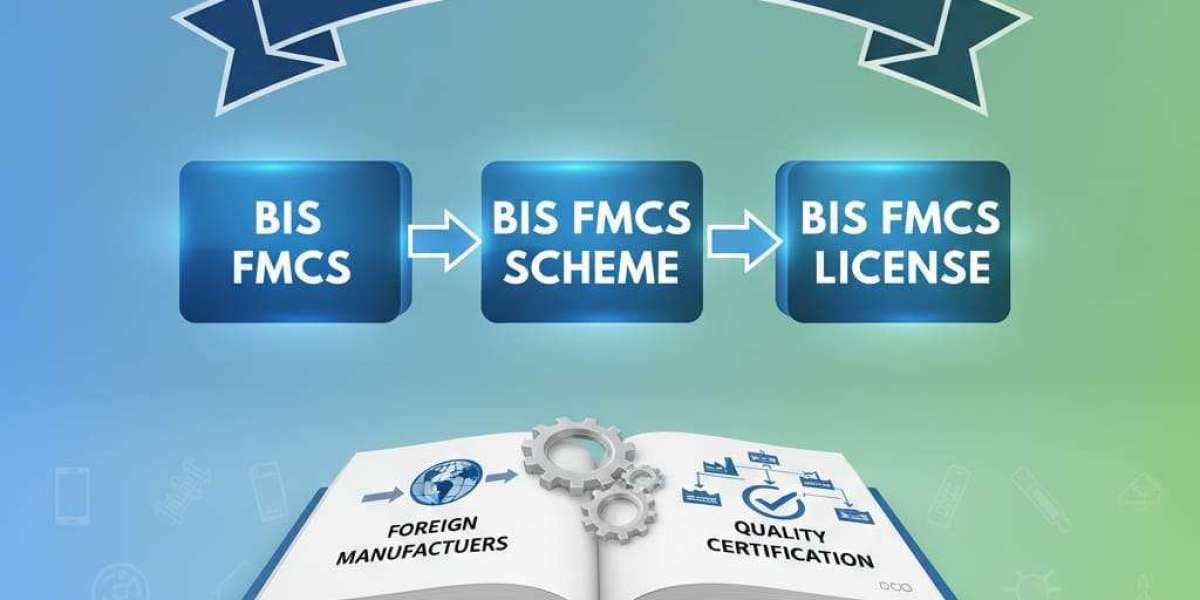
BIS Certification for Foreign Manufacturer is a conformity assessment system under which manufacturers located outside India can obtain permission to use the BIS Standard Mark (ISI Mark or CRS Mark) on their products.
This certification is issued under the Foreign Manufacturers Certification Scheme (FMCS), introduced by BIS to regulate imported products and ensure they meet Indian quality and safety benchmarks.
Under this scheme, foreign manufacturers must establish product compliance, undergo factory inspection, and get product testing done from BIS-recognized laboratories.
Why is BIS License for Foreign Manufacturer Mandatory?
The Indian government has made BIS License for Foreign Manufacturer compulsory for many products such as electronics, electrical appliances, steel products, cement, chemicals, and household goods.
The main reasons include:
- Ensuring consumer safety and product quality
- Preventing the import of substandard products
- Protecting the Indian market from unsafe goods
- Building trust among Indian consumers
- Compliance with Indian laws and regulations
Without BIS certification, products covered under mandatory standards cannot be imported, sold, or distributed in India.
Products Covered Under BIS Certification for Foreign Manufacturer
Some commonly regulated products include:
- Electrical and electronic products (CRS Scheme)
- Steel products
- Cement
- Automotive components
- Household appliances
- Medical and safety equipment
- Chemicals and fertilizers
Each product must comply with its respective Indian Standard (IS) as notified by BIS.
Eligibility for BIS License for Foreign Manufacturer
To apply for a BIS Certificate for Foreign Manufacturer, the following conditions must be met:
- Manufacturer must be located outside India
- Manufacturing unit should be fully functional
- Product must fall under mandatory BIS certification list
- Testing facilities or third-party BIS-approved labs must be available
- An Authorized Indian Representative (AIR) must be appointed in India
The AIR acts as a liaison between BIS and the foreign manufacturer.
Documents Required for BIS Certification for Foreign Manufacturer
Key documents include:
- Company incorporation certificate
- Factory layout and manufacturing process flowchart
- Product technical details and specifications
- Test reports from BIS-recognized laboratory
- Authorization letter for AIR
- Quality control and testing equipment details
- Trademark registration (if applicable)
All documents must be accurate and consistent to avoid delays.
Process to Obtain BIS License for Foreign Manufacturer
The step-by-step process includes:
1. Application Submission
The manufacturer submits an online application under the FMCS scheme along with required documents.
2. Product Testing
Samples are tested as per Indian Standards in BIS-recognized laboratories.
3. Factory Inspection
BIS officials visit the foreign manufacturing unit to verify production capability, quality control systems, and testing facilities.
4. Grant of License
If all requirements are met, BIS grants the BIS License for Foreign Manufacturer, allowing the use of the BIS Standard Mark.
5. Marking & Compliance
The manufacturer must mark products with the BIS mark and comply with ongoing surveillance and renewal requirements.
Timeline for BIS Certification
The certification process typically takes 3 to 6 months, depending on:
- Product category
- Test report availability
- Factory inspection scheduling
- Accuracy of documentation
Proper planning and professional guidance can significantly reduce delays.
Benefits of BIS Certification for Foreign Manufacturer
- Legal access to the Indian market
- Increased consumer trust and brand value
- Compliance with Indian regulations
- Reduced risk of rejection at customs
- Competitive advantage over uncertified products
A valid BIS Certificate for Foreign Manufacturer also strengthens long-term business growth in India.
Penalties for Non-Compliance
Selling or importing BIS-mandatory products without certification may result in:
- Product seizure
- Heavy fines
- Import bans
- Legal action by authorities
Hence, obtaining BIS certification is not optional but a legal necessity.
Conclusion
Obtaining a sunconsultants.co.in.is a crucial step for overseas companies planning to enter the Indian market. The BIS Certification for Foreign Manufacturer ensures product safety, legal compliance, and consumer confidence while enabling smooth import and sale in India.