What will neutering a dog do to behavior and health? Neutering prevents a male dog from reproducing, removes the testicles, and greatly reduces the main source of testosterone. It may decrease mate seeking, roaming, urine marking, mounting, and some conflicts between male dogs. It also eliminates the possibility of testicular cancer and can reduce the risk of certain prostate and hormone related conditions.
Neutering does not automatically make a dog calm, obedient, friendly, or free from anxiety. Behavior develops through genetics, early experience, learning, health, environment, and hormones. Surgery changes only part of that picture. The timing decision should also consider breed, expected adult size, health, household circumstances, and the family's ability to prevent accidental breeding.
This guide explains which changes are reasonably connected to neutering, which behaviors need separate care, how health risks and benefits vary, and what owners should discuss with a veterinarian before choosing a surgical date.
The Short Answer
Neutering has one predictable result: a male dog loses the ability to produce sperm after the postoperative transition period and can no longer father puppies. Testosterone levels decline because the testicles are removed. Health and behavior changes that depend strongly on testosterone may follow, but the degree of change varies among dogs.
Mate seeking behavior is the most logical area to improve. A male that escapes, paces, vocalizes, or stops eating when a female nearby is in heat may become less driven by that reproductive stimulus. Urine marking and mounting may decrease, especially when they are closely tied to sexual maturity. Conflicts with other males can improve in some cases, but aggression has many causes and should never be treated as a guaranteed surgical outcome.
From a medical perspective, neutering removes the risk of diseases that begin in the testicles. It may also reduce benign prostate enlargement and some conditions influenced by male hormones. At the same time, reproductive hormones affect growth, metabolism, muscle, and other tissues. This is why modern veterinary advice increasingly focuses on the individual dog instead of one universal age.
What Changes Inside the Body?
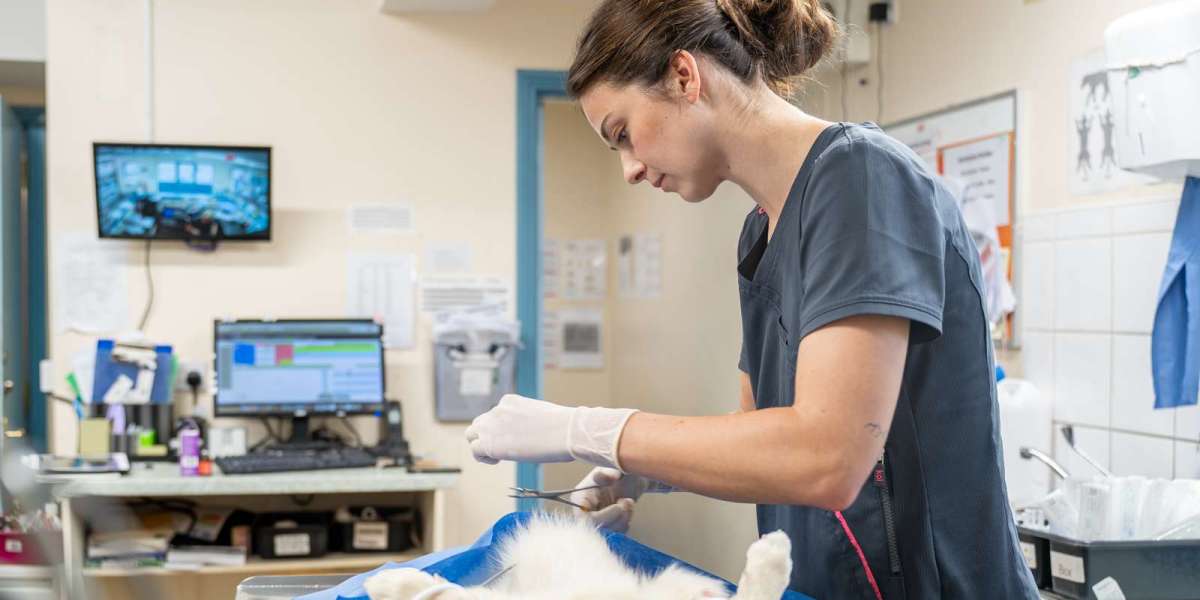
During a routine neuter, the veterinarian surgically removes both testicles. The testicles produce sperm and most of the dog's testosterone. Once they are removed, sperm production stops and circulating testosterone gradually falls.
The change is not immediate in every way. Hormones already present in the body take time to decline. A recently neutered dog may still show interest in a female in heat, and viable sperm may remain for a short period. Owners should follow the veterinarian's instructions about separation from intact females during recovery.
Testosterone influences reproductive behavior, prostate tissue, muscle development, bone growth, metabolism, and other systems. Lowering it can provide benefits, but it can also change calorie needs and may affect health considerations differently among breeds. The surgery should therefore be viewed as a permanent medical decision rather than a simple behavior shortcut.
The American Veterinary Medical Association advises that the benefits and risks of reproductive surgery should be considered in relation to the individual animal. That approach is especially useful for dogs because size and breed can influence the timing discussion.
How Neutering May Affect Roaming
An intact male can detect reproductive scent from a considerable distance. When a female is in heat nearby, the male may pace, whine, dig, climb, push through doors, or escape a yard. This behavior can lead to traffic injuries, fights, bites, getting lost, and accidental breeding.
Neutering often reduces the hormonal drive to locate a mate. A dog may become more content to remain near home when reproductive scent is no longer creating the same level of motivation. The improvement is not a reason to stop using secure fencing, a leash, identification, and supervision. Dogs also roam from boredom, fear, curiosity, hunting instinct, or separation distress.
If escape behavior continues after surgery, the owner should identify when it occurs and what seems to trigger it. A dog that bolts during thunderstorms needs a fear plan. A dog that leaves an empty yard may need more activity and supervision. A dog that panics when alone may need evaluation for separation related distress.
How Neutering May Affect Urine Marking
Urine marking is different from emptying a full bladder. A dog may place small amounts of urine on several vertical surfaces to communicate scent information. Testosterone can contribute to this behavior, so marking may decrease after neutering.
The outcome depends partly on how established the pattern has become. A young dog that has recently started marking may respond differently from an adult that has practiced it for years. Indoor marking can also be connected to stress, unfamiliar animals, changes in the home, incomplete house training, or a medical urinary problem.
Owners should not assume every urine spot is behavioral. Increased urination, straining, blood, discomfort, accidents during sleep, excessive thirst, or frequent attempts to urinate require veterinary attention. Infection, stones, diabetes, kidney disease, prostate disease, and other conditions can change urinary habits.
How Neutering May Affect Mounting
Mounting can have a sexual component, especially in an intact adolescent or adult male. Lower testosterone may reduce that motivation. However, dogs also mount during play, excitement, stress, social interaction, or because the behavior has been reinforced.
The ASPCA guidance on dog mounting notes that some dogs continue the behavior after reproductive surgery because it has become learned or serves a nonsexual function. Punishment can increase arousal or fear. Calm interruption, redirection, management, and attention to the trigger are usually more useful.
A sudden increase in mounting can also accompany discomfort, skin irritation, urinary disease, or anxiety. If the behavior is new, intense, or paired with licking, urinary changes, aggression, or distress, a veterinary examination is appropriate.
Will Neutering Reduce Aggression?
It may reduce certain conflicts influenced by testosterone, particularly competition between intact males. It does not reliably resolve every form of aggression. The word aggression describes many behaviors with different causes, including growling over food, reacting to strangers, guarding a person, fighting from fear, responding to pain, or chasing another animal.
Fear based aggression will not disappear simply because testosterone falls. Resource guarding is maintained by learning and concern about losing something valuable. Territorial behavior may involve genetics, rehearsal, and the home environment. Pain can make any dog defensive, regardless of reproductive status.
Owners should not delay help while waiting to see whether surgery solves a dangerous pattern. A bite risk needs immediate management and professional guidance. The dog's triggers, body language, medical condition, and bite history should be evaluated. Summit Dog & Cat Hospital offers behavior guidance that can help owners begin a more complete discussion.
Research on behavior after neutering is complex. Studies use different dog populations, ages, breeds, definitions, and owner reports. Associations do not always prove that neutering caused the behavior. A dog's inherited temperament and life experience can influence both the decision to neuter and the behavior later observed.
Will My Dog Become Calmer?
Some owners describe a calmer dog because roaming, sexual frustration, or constant interest in nearby females decreases. That is not the same as a general reduction in energy. Neutering does not remove a young dog's need for exercise, sleep, enrichment, social learning, and consistent training.
A high energy sporting dog will still need appropriate physical and mental activity. An adolescent dog may continue jumping, chewing, pulling, barking, or ignoring cues because those behaviors are part of development and learning. A dog that settles poorly may need a better routine rather than a hormonal explanation.
During the first days after surgery, the dog may appear quiet because of anesthesia, medication, discomfort, and activity restriction. That temporary recovery state should not be used to predict the dog's permanent energy level.
Will Neutering Change Personality?
Basic personality usually remains recognizable. An affectionate dog generally remains affectionate. A playful dog still enjoys play, and a social dog does not normally lose its relationship with the family. Changes are more likely to involve reproductive motivation than the dog's core identity.
Owners sometimes interpret any behavior change as personality loss. It is more useful to describe exactly what changed. Reduced pacing near the door is different from unusual withdrawal. Less mounting is different from loss of interest in favorite activities. A dog that remains lethargic, stops eating, seems painful, or avoids interaction after the expected recovery period needs veterinary assessment.
Neutering also does not prevent fear, anxiety, cognitive decline, or medical behavior changes. A complete explanation may require a physical examination, pain assessment, laboratory testing, and a careful behavior history.
Reproductive and Testicular Health Benefits
The most direct health benefit is prevention of reproduction. A neutered male cannot create an unplanned litter once the postoperative fertile period has passed. This matters even when the dog normally lives indoors because one escape or accidental contact can result in breeding.
Removing the testicles eliminates the possibility of testicular cancer and prevents testicular inflammation, torsion, and other diseases from developing later. Dogs with a retained testicle have a higher risk of testicular disease, and the surgery can be more involved because the retained testicle may be in the groin or abdomen.
Neutering can also reduce benign enlargement of the prostate because that tissue responds to male hormones. Prostate enlargement can contribute to straining, discomfort, and other problems. Surgery does not prevent every prostate disorder, so urinary difficulty, blood, constipation, pain, or recurrent infection still requires evaluation.
Some hormone responsive growths around the anus may become less likely or may improve after castration. The veterinarian can explain whether neutering is part of treatment when such a condition is present.
Weight and Metabolism After Neutering
Neutering does not automatically make a dog overweight, but energy needs and appetite can change. If the owner continues feeding the same amount while activity decreases or calorie requirements fall, gradual weight gain can result.
Prevention is easier than weight loss. Measure meals instead of estimating portions. Include treats, chews, and table food when considering daily intake. Recheck body condition after surgery and adjust food with veterinary guidance. The ideal goal is a visible waist from above, an abdominal tuck from the side, and ribs that can be felt without a thick layer of fat, although body shape varies by breed.
Exercise should be restricted during surgical recovery and then returned gradually according to instructions. Once healed, regular walking, play, training, sniffing, and breed appropriate activity support muscle and weight control. A pet wellness examination provides an opportunity to review weight, diet, and body condition over time.
Why Timing Is an Individual Decision
For years, owners often received one standard age for every dog. Current guidance recognizes that a small companion breed and a large working breed may not share the same developmental considerations. Growth rate, adult size, reproductive risk, household management, behavior, and health history all influence the decision.
The American Animal Hospital Association guidance recommends an individualized discussion and notes different considerations for small and large dogs. Summit Dog & Cat Hospital advises owners to discuss surgery after six months, with the final timing based on the treating veterinarian's assessment.
Research has found associations between age at neutering and certain joint disorders or cancers in some breeds. A breed focused study covering 35 dog breeds illustrates why recommendations may differ by breed and sex. These observational findings do not mean every neutered dog will develop a problem or that leaving every dog intact is safer.
Delaying surgery also has consequences. The dog remains fertile, reproductive behaviors can become established, and the family must reliably prevent access to intact females. Local rules, boarding or daycare policies, working roles, and household composition may affect what is practical.
Health Factors That May Change the Plan
A veterinarian should examine the dog before surgery and review current illness, medication, previous anesthesia, allergies, and past laboratory results. A retained testicle, heart murmur, breathing concern, bleeding tendency, infection, or active gastrointestinal illness may change the procedure or timing.
Preanesthetic bloodwork may be recommended to assess blood cells and organ function. Normal results cannot remove all anesthesia risk, but they provide information that helps the veterinary team plan. Older dogs or dogs with known disease may need additional testing.
The owner should discuss any intended breeding honestly. Responsible breeding involves genetic screening, breed health testing, temperament evaluation, reproductive planning, pregnancy care, and lifelong responsibility for the puppies. Keeping a dog intact without a responsible breeding plan still requires secure management.
What to Expect During Recovery
Most routine neuters are outpatient procedures, although the plan depends on the patient and hospital. The dog goes home with instructions for medication, food, activity, incision care, and licking prevention. Owners should follow the surgeon's directions even when the dog seems energetic.
Running, jumping, rough play, bathing, and unrestricted outdoor activity can strain the incision. Short leash walks are generally used for bathroom breaks during early recovery. A recovery collar or approved garment prevents licking, which can introduce bacteria or open the surgical area.
Check the incision without pressing it. Mild bruising or swelling may occur, but spreading redness, discharge, bleeding, bad odor, opening, or rapidly increasing swelling should be reported. Repeated vomiting, difficulty breathing, collapse, inability to urinate, severe pain, or profound weakness requires prompt guidance.
Summit Dog & Cat Hospital provides spay and neuter discharge instructions for postoperative care. The individual instructions given at discharge should take priority because the surgeon knows the patient's procedure and condition.
How Soon Should Behavior Change?
Hormone related changes do not appear on a fixed schedule. Testosterone falls over time, while learned behavior can persist. A dog may show less reproductive interest within weeks, but a long practiced marking or escape pattern may require management and training for much longer.
Owners should track specific behaviors instead of expecting a general transformation. Record how often the dog marks, mounts, attempts to escape, reacts to other males, or becomes distracted by reproductive scent. Note the context and intensity. This creates a more useful comparison than saying the dog is simply better or worse.
If serious anxiety, aggression, appetite loss, withdrawal, or a new behavior appears after recovery, contact the veterinarian. The timing may be coincidental, or pain and another medical issue may be contributing. Persistent problems deserve evaluation rather than being dismissed as a normal consequence of neutering.
Making the Decision With Your Veterinarian
A useful consultation should cover reproductive risk, expected health benefits, possible tradeoffs, timing, anesthesia, pain control, recovery, and behavior expectations. The answer should be specific to the dog rather than copied from a general schedule.
Bring the dog's breed information, prior records, medication list, diet, current weight, and a clear description of any behavior concerns. The hospital's dog spaying and neutering service provides local information for owners considering the procedure.
If behavior is the main reason for surgery, ask whether the pattern is likely to be hormone influenced. Discuss what training or management should begin now instead of waiting for the operation. Neutering and behavior care can work together, but they serve different purposes.
Local Neutering Care in Summit, New Jersey
Summit Dog & Cat Hospital is located at 16 Morris Turnpike in Summit. Dog owners from Summit and surrounding communities can schedule an examination to discuss age, breed, size, behavior, health, and recovery planning. The hospital also offers guidance on preparing a pet for spaying or neutering.
Owners should call if the dog becomes ill before the scheduled procedure or if medication instructions are unclear. Food, water, and medication directions may vary, so the hospital's instructions should be followed instead of a generic fasting rule found online.
Final Thoughts
Understanding what will neutering a dog do to behavior and health requires separating predictable changes from possible ones. Neutering prevents reproduction, removes testicular disease risk, and may reduce mate seeking, roaming, marking, mounting, and some male conflicts. It does not replace training or guarantee a calmer personality.
Summit Dog & Cat Hospital can help owners weigh medical benefits, behavioral expectations, breed considerations, and timing. A patient specific consultation provides a safer foundation than choosing surgery based on one age or one hoped for behavior change.
FAQs
Q: Will neutering make my dog less aggressive?
A: It may reduce aggression linked to competition between intact males, but it does not reliably resolve fear, guarding, pain, or territorial behavior. Dogs with aggression need medical assessment, immediate safety management, and a behavior plan based on their triggers.
Q: How long after neutering will behavior change?
A: Hormone related behavior may change gradually over several weeks, while learned habits can continue much longer. Track specific behaviors and their triggers. Contact the veterinarian if aggression, anxiety, withdrawal, or another concern persists or becomes worse.
Q: Will my dog gain weight after being neutered?
A: Weight gain is possible if calorie needs fall and food intake stays the same, but it is not inevitable. Measured meals, suitable activity after recovery, limited extras, and regular body condition checks can help maintain a healthy weight.
Q: Does neutering stop urine marking and mounting?
A: Both behaviors may decrease when testosterone is a major influence. They can continue when they are learned, driven by stress, or reinforced through repetition. New urinary accidents should be checked medically before they are treated as a behavior problem.