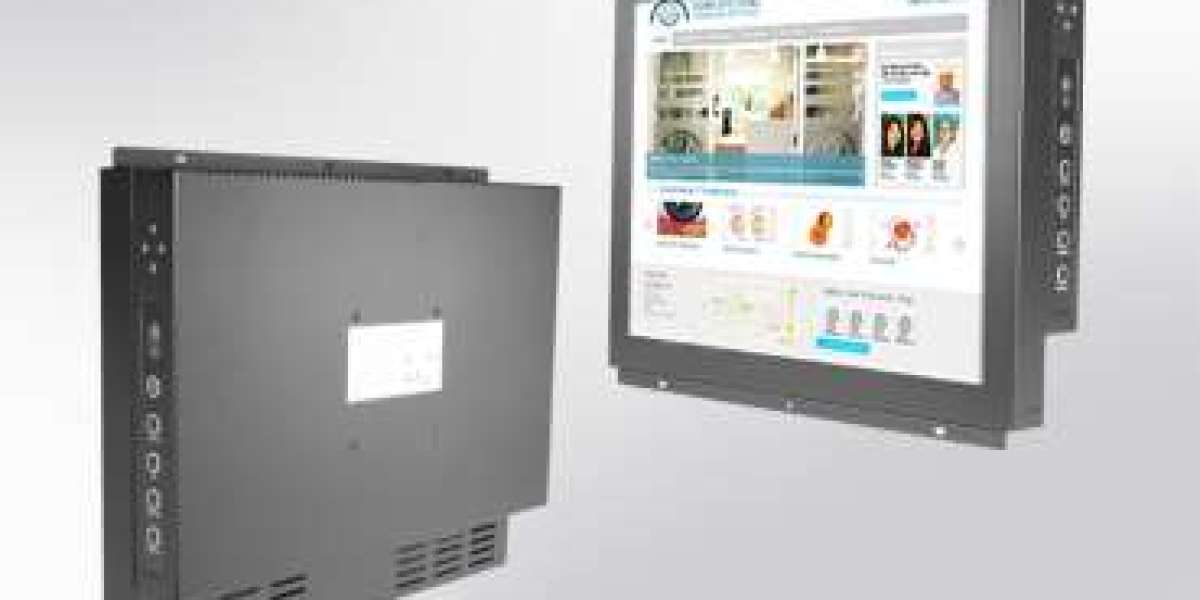
Selecting the right control cabinet industrial monitor is a critical decision for OEMs and system integrators. These displays are the visual interface of automation systems, providing real-time data, machine status, and operator control. A poor display choice can lead to integration issues, reduced uptime, and costly redesigns, while the right monitor ensures long-term reliability and seamless operation.
This buying guide outlines the key factors OEMs and integrators should consider before selecting a control cabinet industrial monitor.
Understanding the Role of Control Cabinet Monitors
Control cabinet industrial monitors are designed to be mounted inside electrical cabinets, machine enclosures, and control panels. They are commonly used in:
- PLC and HMI systems
- SCADA control rooms
- Industrial PCs and embedded controllers
- Factory automation and process control
Unlike consumer monitors, they must operate continuously, withstand harsh conditions, and integrate cleanly with industrial hardware.
Key Buying Considerations for OEMs and Integrators
- Mechanical Compatibility and Mounting
The first step is ensuring mechanical compatibility with the cabinet design. Consider:
- Chassis mount or panel mount design
- Cut-out dimensions and depth
- Front and rear mounting options
A standardized form factor reduces engineering time and simplifies future replacements.
- Display Size and Resolution
Choose the display size based on:
- Cabinet space availability
- Viewing distance
- Amount of information displayed
Common sizes range from 7″ to 21.5″, while industrial-grade resolutions ensure clarity for alarms, charts, and controls.
- Industrial-Grade Durability
For control cabinets, durability is non-negotiable. Look for monitors that support:
- 24/7 continuous operation
- Wide operating temperature ranges
- Resistance to vibration and electrical noise
Industrial LCD panels and long-life backlights help ensure stable performance over many years.
- Touch or Non-Touch Interface
Depending on the application, OEMs must choose between:
- Non-touch displays for monitoring-only systems
- Touch displays (resistive or capacitive) for operator interaction
Resistive touch is often preferred in industrial cabinets where gloves are used.
- Connectivity and System Integration
A good control cabinet monitor should integrate easily with existing systems. Ensure support for:
- HDMI, DisplayPort, or VGA
- Compatibility with PLCs and industrial PCs
- Stable signal performance in noisy environments
This avoids the need for additional adapters or signal converters.
- Compliance and Certifications
European OEMs and integrators must ensure compliance with:
- CE standards
- RoHS and REACH regulations
- EMC and industrial safety requirements
Certified products simplify approvals and reduce project risk.
- Product Lifecycle and Availability
Automation systems often operate for 10–15 years. Choose suppliers that offer:
- Long product lifecycle commitments
- Controlled change notifications
- Backward-compatible replacements
This ensures continuity in production and maintenance.
- Supplier Support and Customization
A reliable supplier should provide:
- Technical consultation during design
- Customization options (touch type, brightness, mounting)
- After-sales and lifecycle support
For OEMs, strong supplier partnerships are just as important as product specifications.
Cost vs Value: Making the Right Decision
While price matters, decision-makers should evaluate total cost of ownership, not just initial cost. Factors like downtime, replacement cycles, and redesign costs often outweigh small upfront savings.
A well-chosen industrial monitor reduces:
- System failures
- Maintenance costs
- Integration challenges
Conclusion
For OEMs and system integrators, selecting the right control cabinet industrial monitor is a strategic decision that impacts system reliability, scalability, and long-term success. By focusing on mechanical compatibility, industrial durability, compliance, lifecycle support, and supplier reliability, buyers can make confident and future-proof decisions.
Read More: https://tecsysproductguides.blogspot.com/2026/01/control-cabinet-industrial-monitor.html