Underwater inspection is a critical component of maintaining and safeguarding marine infrastructure. From industrial pipelines to municipal water systems and offshore platforms, understanding the condition of submerged structures ensures operational efficiency, safety, and longevity. For companies like Ven-Tech Subsea, providing underwater maintenance services begins with accurate and reliable inspection techniques. These methods combine the expertise of commercial divers with advanced technology to deliver actionable insights while adhering to strict safety and regulatory standards.
Visual Inspections by Commercial Divers
One of the most traditional yet effective methods of underwater inspection is visual examination conducted by experienced commercial divers. Visual inspections allow professionals to observe structural integrity, detect corrosion, cracks, and biological growth, and evaluate underwater equipment in real time.
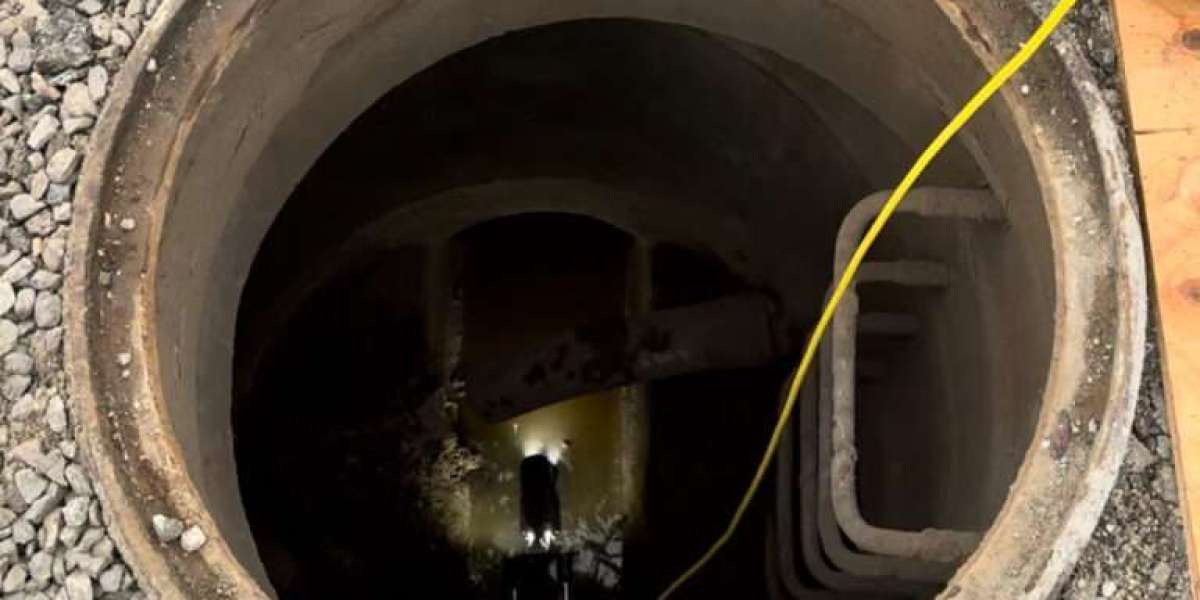
Commercial divers are trained to navigate complex underwater environments, often in low-visibility conditions, using specialized lighting and communication tools. Their ability to provide hands-on assessment makes visual inspections invaluable for projects that require detailed scrutiny. Additionally, divers can perform immediate minor repairs or maintenance while conducting the inspection, reducing the need for multiple interventions.
Incorporating visual inspections into underwater maintenance services ensures early detection of potential issues, preventing costly repairs and downtime. This method is particularly suited for areas where access is restricted, or technology-based tools might face limitations, such as confined pipelines, submerged support structures, or marine debris-laden environments.
Sonar and Photogrammetry Surveys
While visual inspections are essential, certain underwater environments pose challenges due to poor visibility, extreme depths, or structural complexity. Sonar and photogrammetry surveys provide advanced alternatives to complement diver assessments.
Sonar technology uses sound waves to map and examine underwater structures. Multibeam and side-scan sonar systems can detect surface deformations, sediment accumulation, and objects obstructing critical infrastructure. This method offers precise data on the underwater topography, which is essential for planning maintenance or construction activities.
Photogrammetry involves capturing multiple images of underwater structures and processing them to create accurate three-dimensional models. These models allow engineers to analyze structural conditions remotely, measure wear and deformation, and identify areas needing intervention. Combining photogrammetry with sonar surveys enhances accuracy, providing a comprehensive understanding of underwater conditions.
By integrating sonar and photogrammetry surveys into underwater maintenance services, Ven-Tech Subsea ensures that inspections are thorough, accurate, and data-driven, supporting informed decision-making for repair and replacement projects.
Remote Inspection with ROVs
Remote Operated Vehicles (ROVs) have revolutionized underwater inspections, allowing for high-precision assessment without the immediate need for human divers. These versatile machines are equipped with cameras, sonar, and sometimes manipulator arms, enabling inspections in hazardous or hard-to-reach areas.
ROVs are particularly useful in deep-water projects, contaminated sites, or locations with strong currents where diver access is limited. They provide live video feeds and sensor data, allowing inspection teams to assess the condition of infrastructure remotely. Moreover, ROVs can operate continuously for extended periods, making them highly efficient for large-scale projects.
Integrating ROVs into underwater maintenance services ensures safety, reduces operational risk, and extends the capability of inspection teams to cover a broader range of projects. This technology-driven approach complements traditional diver-based methods, creating a hybrid inspection model that maximizes accuracy and efficiency.
Choosing the Right Inspection Method for Your Project
Selecting the most suitable underwater inspection technique requires careful consideration of several factors, including depth, visibility, structural complexity, and project objectives. Visual inspections are ideal for smaller projects or areas requiring immediate intervention, whereas sonar and photogrammetry surveys are best for mapping and data-driven analysis. ROVs offer an unmatched advantage for deep or hazardous sites where human access is limited.
Ven-Tech Subsea emphasizes tailoring inspection methods to each client’s unique needs. Combining multiple techniques often provides the most comprehensive insight into underwater conditions. For instance, a project may start with sonar mapping to identify critical areas, followed by diver visual inspections for detailed assessment, and supplemented with ROV monitoring for continuous observation.
Implementing a customized inspection strategy ensures that underwater maintenance services are not only effective but also cost-efficient. By using the right combination of techniques, potential failures can be detected early, structural integrity is maintained, and project timelines are optimized.
Conclusion: Accurate Inspections as a Foundation for Maintenance Success
Accurate underwater inspections are the cornerstone of successful underwater maintenance services. Whether through diver-based visual inspections, advanced sonar and photogrammetry surveys, or cutting-edge ROV technology, each method contributes essential data to maintain and protect submerged infrastructure.
For marine and industrial clients, understanding the condition of underwater structures is more than a safety requirement; it is an operational necessity. Ven-Tech Subsea’s expertise in underwater inspection techniques ensures that maintenance decisions are informed, projects are executed efficiently, and safety standards are upheld.
By combining traditional diving skills with modern technology, underwater inspection methods offer a comprehensive solution for managing submerged assets. Investing in accurate inspection strategies today reduces costly repairs tomorrow and strengthens the long-term reliability of critical marine infrastructure.