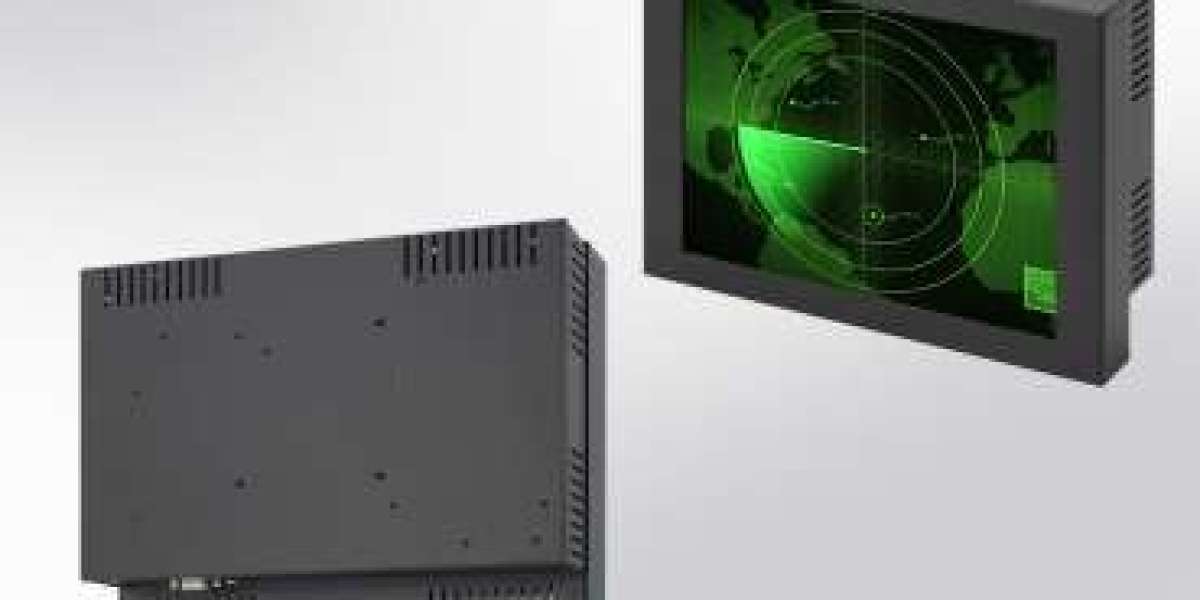
As industrial automation, smart manufacturing, and digital control systems continue to expand, industrial monitors have become mission-critical components in factories, control rooms, and field operations. Among various display sizes, the 19 inch industrial monitor remains one of the most preferred formats due to its balance of screen visibility, compatibility, and space efficiency.
If you are planning to buy a 19 inch industrial monitor online, this guide will help you make an informed, risk-free decision by covering the most important technical, operational, and commercial factors industrial buyers should consider.
Why 19 Inch Industrial Monitors Are Still in High Demand
The 19 inch form factor has become a standard size in industrial environments. It is widely used in:
- Factory automation systems
- SCADA and PLC-based control panels
- Industrial PCs and HMIs
- Control rooms and monitoring stations
- Machine vision and process control
This size provides adequate screen real estate for data visualization while remaining compact enough for panel mounting, rack installation, or arm mounting.
Key Factors Industrial Buyers Must Evaluate Before Purchase
- Industrial-Grade Build Quality
Unlike consumer displays, industrial monitors must operate reliably in harsh environments. When buying online, ensure the monitor is designed for:
- Continuous 24/7 operation
- High vibration and mechanical stress
- Wide operating temperature ranges
- Dust, moisture, and oil exposure
Look for metal housings, reinforced frames, and compliance with industrial protection standards such as IP-rated front panels.
- Display Specifications That Match Your Application
A 19 inch industrial monitor should meet your operational visibility requirements. Buyers should evaluate:
- Resolution (typically 1280×1024 or industrial widescreen variants)
- Brightness levels for indoor or semi-outdoor use
- High contrast ratios for clear visualization
- Wide viewing angles for multi-operator environments
For control rooms or machinery interfaces, clarity and readability directly impact operator efficiency and safety.
- Touchscreen or Non-Touch: Make the Right Choice
Not all applications require touch functionality. Decide based on usage:
- Touch monitors are ideal for HMIs, machine controls, and interactive dashboards
- Non-touch monitors are better for passive monitoring, CCTV, or data visualization
If touch is required, consider the technology:
- Resistive touch for gloves and harsh conditions
- Capacitive touch for modern, gesture-based interfaces
- Mounting Compatibility and Installation Flexibility
Industrial buyers often overlook mounting requirements until late in the procurement cycle. A reliable 19 inch industrial monitor should support:
- VESA mounting standards
- Panel mount installations
- Rack or arm mounting options
Ensuring compatibility avoids costly retrofitting or redesign of enclosures and cabinets.
- Interface and Connectivity Support
Before purchasing online, confirm that the monitor supports the input interfaces used by your existing systems, such as:
- VGA
- DVI
- HDMI
- DisplayPort
Backward compatibility is especially important in industrial environments where legacy systems are still in operation.
Reliability, Lifecycle & Long-Term Availability
Industrial buyers prioritize product longevity over aesthetics. Key lifecycle considerations include:
- Long-term availability of the same model
- Consistent specifications across batches
- Manufacturer support and documentation
- Stable firmware and driver support
This is critical for industries that rely on certified systems and validated configurations.
Certifications and Compliance Matter
When buying a 19 inch industrial monitor online, check for relevant certifications such as:
- CE compliance for Europe
- RoHS for environmental safety
- Industrial EMC standards
Certified products reduce regulatory risks and ensure smoother deployment in regulated industries.
Benefits of Buying Industrial Monitors Online
Purchasing from a trusted online industrial supplier offers several advantages:
- Access to detailed technical specifications
- Faster comparison between models
- Transparent pricing
- Availability of niche industrial configurations
- Quick replacement and spare unit procurement
However, buyers should avoid generic marketplaces and instead choose specialized industrial hardware suppliers.
Total Cost of Ownership (TCO) Over Price Alone
The lowest price should never be the sole decision factor. Industrial buyers should consider:
- Downtime costs due to display failure
- Replacement frequency
- Integration and maintenance effort
- Support responsiveness
A reliable 19 inch industrial monitor often delivers better ROI over its operational lifespan.
Final Thoughts: Making the Right Buying Decision
A 19 inch industrial monitor is not just a display—it is a critical interface between humans and machines. Choosing the right model online requires careful evaluation of build quality, display performance, compatibility, lifecycle support, and compliance.
By focusing on long-term reliability, system compatibility, and industrial-grade specifications, buyers can ensure smooth operations, reduced downtime, and scalable industrial deployments.
Read More: https://tecsysproductguides.blogspot.com/2026/01/19-inch-industrial-monitor-online-what.html