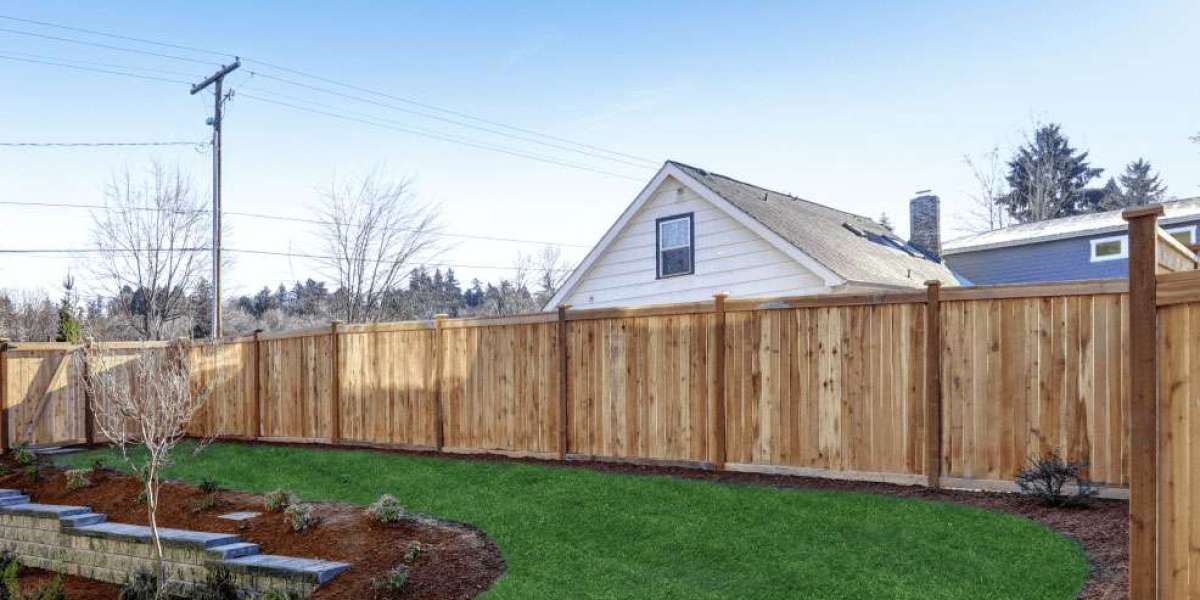
Fencing plays an important role in defining property boundaries, enhancing privacy, improving security, and contributing to a home’s overall appearance. Choosing the right fence is not simply about selecting a material or style. It requires thoughtful consideration of function, durability, maintenance, and how the fence fits into the surrounding environment. With so many fencing options available, homeowners often feel overwhelmed when deciding which type best suits their needs.
Different Types of Fencing for Homes
Residential fencing comes in many forms, each designed to serve specific purposes. Some fences focus on privacy, others on security, and some primarily enhance curb appeal. The most common fencing types include wood, vinyl, chain link, and metal fencing.
Wood fencing is widely chosen for its natural appearance and design flexibility. Vinyl fencing appeals to homeowners seeking durability and low maintenance. Chain link fencing is known for affordability and functionality, while metal fencing offers strength and long-term performance. The right choice depends on the homeowner’s goals, budget, and how the property is used.
Understanding how each fencing type functions within a residential setting helps narrow down the options and ensures the final choice aligns with long-term expectations.
Wood Fencing vs Vinyl Fencing Comparison
Wood and vinyl are two of the most popular residential fencing materials. Each offers distinct benefits and challenges that homeowners should consider carefully.
Wood Fencing
Wood fencing provides a classic and warm appearance that blends naturally with outdoor spaces. It can be customized in terms of height, style, and finish, making it suitable for both traditional and modern homes. Wood fences can be stained or painted to match personal preferences and architectural styles.
However, wood requires regular maintenance to remain in good condition. Exposure to moisture, sunlight, and temperature changes can lead to warping, cracking, or rot if not properly sealed. Regular staining or painting is necessary to preserve appearance and structural integrity.
Vinyl Fencing
Vinyl fencing is valued for its durability and minimal maintenance requirements. It resists moisture, insects, and fading better than wood and does not require painting or staining. Cleaning typically involves simple washing to remove dirt or debris.
Vinyl fences maintain a consistent appearance over time and are available in a variety of styles that mimic traditional wood designs. While vinyl generally has a higher upfront cost, many homeowners find the long-term savings in maintenance worthwhile.
The decision between wood and vinyl often comes down to whether homeowners prioritize natural aesthetics and customization or long-term ease of care and durability.
Chain Link Fencing Pros and Cons
Chain link fencing is commonly used for its practicality and cost efficiency. While it may not offer the same visual appeal as other fencing types, it serves specific functional needs effectively.
Pros of Chain Link Fencing
Chain link fencing is one of the most affordable fencing options available. It is durable, easy to install, and requires minimal maintenance. The open design allows visibility, which can be beneficial for monitoring outdoor areas or maintaining sightlines.
It is also flexible in application and can be used for securing yards, gardens, and pets without creating a closed-off feel.
Cons of Chain Link Fencing
The primary drawback of chain link fencing is its limited privacy. The open structure does not block views or noise, which may be undesirable for homeowners seeking seclusion. Aesthetic appeal is also a concern, as chain link fences are often viewed as purely functional.
Privacy slats or landscaping can improve appearance and privacy, but these additions increase cost and maintenance.
Chain link fencing is best suited for homeowners who prioritize function, security, and budget over appearance.
Metal Fencing Options for Residential Properties
Metal fencing offers a balance of strength, longevity, and visual appeal. Several types of metal fencing are commonly used in residential settings.
Aluminum Fencing
Aluminum fencing is lightweight, corrosion-resistant, and low maintenance. It is often chosen for decorative purposes and perimeter definition rather than privacy. Aluminum fences provide a clean, elegant look and work well around pools or landscaped areas.
Steel and Wrought Iron Fencing
Steel and wrought iron fences are known for their strength and classic appearance. They provide a high level of security and can be customized with decorative elements. These fences are durable and long-lasting but may require periodic maintenance to prevent rust or corrosion.
Metal fencing is often selected for its ability to enhance curb appeal while maintaining visibility and security. It is especially suitable for homeowners who want a refined look without fully enclosing their property.
Privacy Fencing vs Decorative Fencing
Understanding the difference between privacy and decorative fencing helps homeowners choose a fence that aligns with how they want to use their outdoor space.
Privacy Fencing
Privacy fencing is designed to create seclusion and reduce visibility from outside the property. These fences are typically taller and constructed with solid panels or closely spaced boards. Wood and vinyl are common materials for privacy fencing.
Privacy fences are ideal for backyards, patios, and areas where homeowners want to relax or entertain without outside distractions. They also help reduce noise and create a sense of personal space.
Decorative Fencing
Decorative fencing focuses on appearance rather than seclusion. These fences are often shorter and feature open designs that enhance the landscape while maintaining visibility. Metal, vinyl, and certain wood styles are commonly used for decorative fencing.
Decorative fences work well for front yards, garden borders, or areas where defining boundaries is important but full privacy is not necessary.
Choosing between privacy and decorative fencing depends on whether the primary goal is seclusion, aesthetics, or a combination of both.
Factors to Consider When Choosing Residential Fencing
Selecting the right fence involves more than choosing a material or style. Homeowners should also consider local regulations, property boundaries, and long-term maintenance expectations.
Fence height rules, placement guidelines, and homeowner association requirements may influence available options. Climate exposure, terrain, and intended use also affect material performance and durability.
Budget planning is another important factor. While some fencing options cost less upfront, they may require more maintenance over time. Others may cost more initially but offer long-term savings and durability.
Long-Term Value of the Right Fencing Choice
A well-chosen fence enhances property value by improving curb appeal, security, and usability. Fencing that complements the home’s architecture and meets practical needs adds to the overall impression of care and quality.
Homeowners who invest time in selecting the right fencing material and style often experience fewer issues and greater satisfaction over the years. The right fence becomes a functional and visual asset rather than a recurring maintenance concern.
Final Thoughts
Residential fencing serves many purposes, from defining boundaries and improving security to enhancing privacy and visual appeal. With options ranging from wood and vinyl to chain link and metal, homeowners have the flexibility to choose solutions that fit their lifestyle and priorities.
Understanding the differences between materials, the benefits of privacy versus decorative fencing, and the long-term implications of each choice leads to better outcomes. A thoughtfully selected fence supports daily living, complements the home’s design, and delivers lasting value.
When homeowners approach fencing decisions with clarity and long-term thinking, the result is a well-balanced solution that meets both practical and aesthetic needs for years to come.