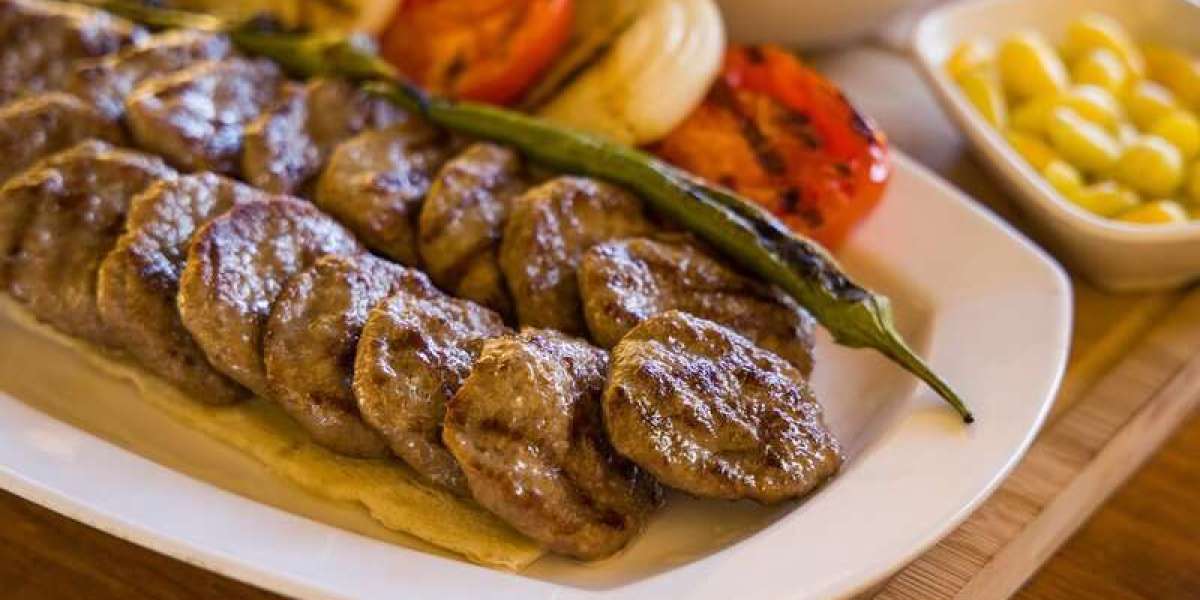
Food makes memories, and in Saudi Arabia, those memories are rich, spiced, slow cooked, and shared with love. The traditional meals are not just recipes, they are memories journeyed through generations. They unite families, greet new company, and celebrate milestones. As the culture of dining continues to cultivate and grow throughout the kingdom, so does the Saudi food industry. GMI Research predicts that the meat market in Saudi Arabia will reach $15.7 billion in 2032. This growth shows how food continues to be the focal point of everyday life in Saudi Arabia.
Walking through the Saudi spice market, exploring the Saudi dining scene or visiting the authentic meat restaurants, are all experiences that show the importance of food in Saudi Arabian culture and the pride people have in their authentic culinary dishes.
An Abundance of History
While exploring the authentic Saudi meat dishes, the Bedouin traditions, the Levantine flavors and the Hejazi influences all come together to help people articulate their food and beverage experience.
People do not eat alone in Saudi Arabia. Meals are for togetherness. Large family platters are the meals of the day, coffee is poured for guests, and desserts are passed around during discussions. All of this is done to show hospitality, culture, and a warm welcome.
Kabsa: The National Favorite
Kabsa is the most representative dish of Saudi cuisine. Fragrant rice. Tender meat. A blend of spices that fills the room with warmth before the first bite is taken.
It is cooked by layering meat and rice, mixing the flavors of the dish naturally. The dish is often garnished with almonds and raisins. Kabsa is more than just food; it is the centerpiece of gatherings.
Jareesh: Comfort in a Bowl
Jareesh is simple and deeply comforting. Crushed wheat that is slowly cooked with meat and spices until it becomes soft and creamy. Although different regions put their own touches, the soul of the dish remains the same: nourishing, filling, and familiar.
Often paired with yogurt or pickles, Jareesh is the kind of food that feels like home.
Ma'amoul: Sweet Tradition
Ma'amoul is a dessert with personality. Light and flaky pastry filled with sweet confection; a blend of nuts with sweet dates, and molded to beautiful, intricate designs that showcase the artisans.
These elegant and meticulously crafted confection treats are served with Arabic coffee and are a perfect representation of the traditions and craftsmanship that are revered in many cultures.
Harees: Made With Love
Harees is known to be associated with Ramadan. Wheat and meat are cooked for hours until it becomes smooth and creamy. A large pot is prepared and portions are shared to the neighbors. It's a kind gesture and a symbol of community.
Mutabbaq: Crispy and Flavorful
Mutabbaq is especially popular with street food lovers. It is a thin pastry that is filled with meat, eggs, and a number of spices. It gets folded up and pan-fried until gold. It gets served with pickles or a salad. It is crunchy on the outside and a variety of meats on the inside. It is always a satisfying meal.
Saleeg: Soft, Creamy, Comforting.
Saleeg is a combination of rice and chicken which is mixed into a creamy texture with a subtle variety of spices. It is topped with ghee and nuts, and served on the side with yogurt or salad. It is a gentle dish that warms both the body and the mood.
Haneeth: The Celebration Dish
Haneeth is the finest of the slow-cooked lamb. It is a marinated in spices and cooked until it is tender. It is served with a side of rice and bread. It is a dish that is saved for feasts and special occasions, and it is a symbol of generosity.
Shawarma: The Everyday Favorite
Shawarma needs no introduction, with its spiced meat that is roasted on a spit, wrapped in a piece of bread. It is topped with a variety of sauces and pickles. It is a quick and flavorful meal, and it is loved by a number of people including students and travelers.
Kleeja: A Sweet Ending
Kleeja is a pastry that has been sweetened and infused with cardamom and cloves. It has a crisp outside and a soft inside. It is served with coffee, and it is a perfect way to end any meal.
A Cuisine That Embodies a Nation
Food is not only about the appreciation of flavors, and Saudi Arabian cuisine is a perfect example of this. It is a reflection of the rich stories and culture of the Saudi people, deriving from the country's history of the deserts and trade routes, and its traditions of hospitality and community.
Every meal has a variety of dishes, from kabsa to kleeja, and from the deserts to the modern cities, as Saudi culture is deeply found in the country's evolving food industry.