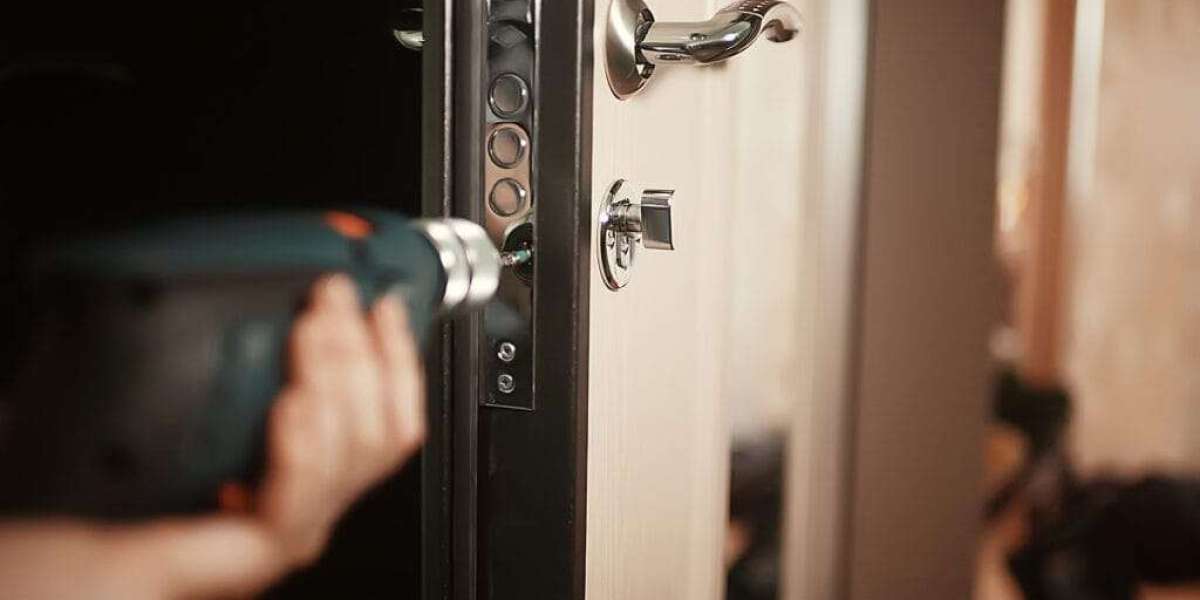
Door locks are used every day, but they are often ignored until they become difficult to operate or stop providing reliable security. In Dubai apartments, villas, townhouses, and rental properties, residents may need to change a lock for several practical reasons. The decision is not always caused by a complete lock failure. Sometimes it is related to lost keys, a tenant change, attempted entry, repeated mechanical problems, or the need for better access control.
Booking a professional door lock change in Dubai helps ensure that the replacement hardware is suitable for the entrance, installed correctly, and tested before the work is completed. Below are some of the most common reasons residents decide that changing the existing lock is the safest option.
1. Moving Into a New Apartment or Villa
Moving into a new property is one of the most common reasons residents replace their entrance locks. The new tenant or owner may receive a set of keys from the landlord, estate agent, previous occupant, maintenance company, or building management. However, it is usually impossible to confirm how many copies were previously made.
Old keys may still be held by:
- Previous tenants
- Contractors
- Cleaners
- Maintenance staff
- Property agents
- Family members of former occupants
- Short-term visitors
Changing the lock allows the new resident to establish fresh access control. Tenants should first check the tenancy agreement and obtain landlord or building-management approval where required.
2. Lost or Missing Keys
A missing key creates uncertainty because the resident may not know where it was lost or who could find it. The risk becomes more serious when the key is lost together with identification, a wallet, a bag, a parking card, or anything showing the property address.
Even when a spare key is available, the missing copy may still operate the entrance. Residents commonly arrange a door lock change in Dubai when they cannot confirm that the lost key is secure.
Depending on the lock type and condition, changing only the cylinder may be sufficient. However, full replacement may be recommended when the existing mechanism is old, damaged, or unreliable.
For professional support, visit:
https://www.keymakerdubai.com/residential-locksmith-services/lock-change-dubai
3. The Lock Frequently Jams
A lock that occasionally feels stiff may need cleaning, adjustment, or minor servicing. However, a mechanism that jams repeatedly may be approaching complete failure.
Common signs include:
- The key needs several attempts
- The cylinder becomes difficult to turn
- The bolt stops halfway
- The key must be shaken or lifted
- The lock works only from one side
- The handle moves without operating the latch
- The mechanism becomes stuck in the locked position
Repeated jamming should not be ignored. Forcing the key can damage the cylinder, bend the key, or leave a broken piece trapped inside the lock.
A technician should first check whether the problem is caused by the lock itself or by pressure from a misaligned door. If the internal parts are badly worn, replacement may provide better long-term reliability than repeated repairs.
4. Damage After an Attempted Break-In
A lock involved in an attempted break-in should always be inspected, even if it still appears to work.
Visible warning signs may include:
- Scratches around the cylinder
- Drill marks
- Bent handles
- Loose exterior hardware
- Cracks around the lock opening
- Damage to the frame
- A weakened strike plate
- Unusual cylinder movement
Forced entry can damage internal parts that are not visible from outside. Continuing to use the same mechanism may leave the entrance less secure.
In this situation, the inspection should include the cylinder, lock body, handles, latch, bolt, frame, hinges, and strike plate. Changing the lock may be necessary if any important part has been weakened.
5. The Existing Lock Is Old and Worn
Locks do not need to fail completely before they are replaced. Regular use gradually wears down internal pins, springs, handles, latches, and cylinders.
Signs of an ageing lock include:
- Loose handles
- Faded or damaged finish
- Corrosion
- Excessive movement
- Delayed bolt action
- Repeated stiffness
- Worn keys
- Difficulty finding replacement parts
An old lock may continue working for some time, but reliability can reduce without warning. Residents often choose replacement when repair visits are becoming frequent or spare parts are no longer easily available.
Changing the lock also provides an opportunity to select hardware that better suits the current security and access needs of the property.
6. The Property Cannot Be Secured Properly
A door may close normally but fail to lock fully. In other cases, the resident may need to push, pull, or lift the door before the bolt enters the frame.
Possible causes include:
- Loose hinges
- Door movement
- Frame misalignment
- A bent bolt
- Incorrect strike-plate position
- Internal lock wear
- Previous poor installation
The alignment problem should be corrected before installing new hardware. Replacing a lock without fixing pressure between the door and frame can damage the new mechanism.
If the existing lock has already been weakened by repeated force, both alignment correction and replacement may be required.
7. A Tenant, Cleaner, or Employee No Longer Needs Access
Residents sometimes provide keys to cleaners, domestic workers, contractors, drivers, maintenance staff, or short-term occupants. When the working arrangement ends, every key should be returned.
However, returning the original key does not prove that no duplicate was made. For this reason, some residents change the lock after:
- A tenant moves out
- A domestic worker leaves
- A contractor completes a project
- A cleaner no longer visits
- A relationship or household arrangement changes
- Short-term rental access ends
Changing the cylinder or full lock restores control over who can enter the property.
8. The Key Has Broken Inside the Cylinder
A broken key can often be extracted without replacing the entire lock. However, the reason the key broke should be investigated.
The problem may be caused by:
- A badly worn key
- A damaged cylinder
- Internal resistance
- Corrosion
- Door misalignment
- Excessive force
After removing the fragment, the technician should test the mechanism with another key. If the cylinder remains stiff or damaged, changing it may prevent the same problem from happening again.
Residents should avoid using glue, knives, pins, or sharp tools to remove the broken piece. These methods can push it deeper and damage the internal pins.
9. The Lock Has Been Repaired Several Times
Minor repairs can extend the life of a lock, but repeated problems may indicate that the mechanism is no longer economical to maintain.
Frequent servicing may involve:
- Tightening loose components
- Adjusting the strike plate
- Cleaning the cylinder
- Replacing small internal parts
- Correcting handle movement
- Lubricating the mechanism
If the same fault continues returning, replacement may be more practical than paying for repeated temporary repairs.
Professional door lock change in Dubai should include an assessment of the complete entrance so that the replacement solves the actual problem.
10. The Resident Wants Better Access Control
Some residents change a lock even when the existing one is still functional. Their main goal may be to improve convenience, restrict old keys, support controlled access, or choose a more suitable level of security.
A new lock may provide:
- Better key control
- Stronger construction
- Easier daily operation
- Improved resistance to wear
- More suitable hardware for the door
- Better compatibility with the property’s needs
The new lock should be selected according to the door material, thickness, opening direction, existing cut-out, and frame condition.
Learn more about professional replacement options here:
https://www.keymakerdubai.com/residential-locksmith-services/lock-change-dubai
What Should Be Checked Before Changing a Lock?
Before replacement begins, the technician should inspect:
- Door material
- Door thickness
- Existing cylinder size
- Lock-body dimensions
- Handle position
- Opening direction
- Latch and bolt alignment
- Strike-plate position
- Frame condition
- Signs of previous damage
This inspection helps prevent incorrect fitting, visible gaps, loose hardware, and repeated alignment problems.
Final Thoughts
Dubai residents book lock replacement for many reasons, including moving into a new property, losing keys, repeated jamming, attempted entry, worn hardware, tenant changes, and unreliable operation.
The most important step is identifying whether the complete lock needs replacement or whether changing only the cylinder would be sufficient. The door and frame should also be checked because alignment problems can place pressure on the mechanism and cause the same fault to return.
A correctly completed door lock change in Dubai should restore smooth operation, improve access control, and ensure that the entrance locks securely from both sides.
Frequently Asked Questions
Should I change the lock after moving into a new apartment?
It is often recommended because previous tenants, contractors, agents, or maintenance workers may still have old key copies. Tenants should obtain any required approval first.
Can only the cylinder be changed?
Yes. If the lock body, handle, latch, and other components remain secure, changing the cylinder may be enough.
Should I change a lock after losing one key?
Yes, especially when you cannot confirm where the key was lost or whether someone could connect it to your property.
Can a damaged lock be repaired instead?
Minor faults may be repairable. Replacement may be better when the mechanism is badly worn, physically damaged, repeatedly failing, or affected by forced entry.
Why does my lock work when the door is open but not closed?
This usually indicates that the latch or bolt is not aligned correctly with the strike plate.
How long does a lock change take?
The time depends on the lock type, door material, existing condition, alignment, and whether modifications are required.
Should I replace the lock after a tenant leaves?
Changing or rekeying the lock can restore access control when there is uncertainty about duplicate keys.
Can a new lock be installed on an old door?
Usually, yes, provided the door remains strong and the new hardware is compatible with its thickness, existing openings, and frame.