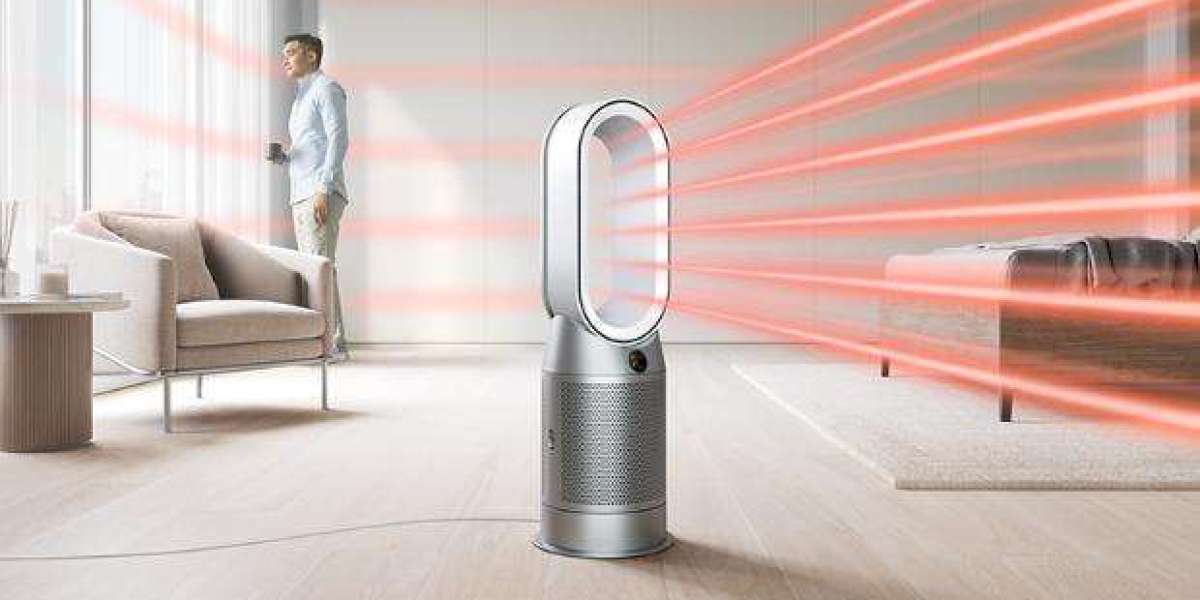
The air purifier market insights is moving toward a greener future as consumers and companies focus more on environmental responsibility. Earlier, air purifiers were mainly judged by how well they cleaned air. Today, people also care about how much electricity they use, what materials they are made from, how often filters must be replaced, and how much waste they create. Eco-friendly design is now a strong competitive advantage in the global air purifier industry.
Growing Demand For Sustainable Products
Modern consumers are more aware of climate change, pollution, and waste problems. They prefer products that protect not only their health but also the planet. This shift in mindset is pushing companies to design air purifiers that:
Use less electricity
Last longer
Use recyclable or reusable materials
Create less filter waste
Reduce carbon footprint
Eco-friendly air purifiers appeal strongly to young buyers, families, and environmentally conscious households.
What Makes An Air Purifier Eco Friendly
An eco-friendly air purifier is not defined by one feature but by a combination of responsible design choices:
Energy Efficiency: Low power consumption and energy-saving modes
Long-Life Filters: Filters that last longer reduce waste
Recyclable Materials: Use of metal, glass, and eco-plastics
Low Noise: Efficient motors that use less power and create less sound
Smart Operation: Runs only when air is polluted, saving electricity
These features help reduce both environmental impact and long-term cost for users.
Energy Efficiency As A Key Selling Point
Electricity cost is a big concern for many users. Eco-friendly air purifiers focus on:
High-efficiency motors
Automatic power control
Sleep and eco modes
Low standby power use
Some models consume less electricity than a light bulb while still providing strong purification. Energy labels and certifications now play an important role in buyer decisions.
Filter Innovation And Waste Reduction
Traditional air purifiers need frequent filter replacement, creating plastic and chemical waste. New eco-friendly designs focus on:
Washable pre-filters
Recyclable filter frames
Longer-lasting HEPA filters
Filter reuse programs by companies
Some brands offer filter return or recycling services to reduce landfill waste.
Materials And Manufacturing
Eco-focused companies are changing how air purifiers are built:
Using recycled plastics and metals
Reducing packaging size
Using paper-based or biodegradable packaging
Avoiding harmful chemicals in coatings and parts
Factories are also becoming more energy-efficient and reducing water usage during production.
Market Segmentation By Eco Preference
By Product Type:
Energy-efficient air purifiers
Low-noise eco models
Long-life filter systems
By End User:
Environmentally conscious homes
Green office buildings
Schools and institutions with eco policies
Hotels promoting sustainable tourism
By Distribution Channel:
Online platforms promoting green products
Eco-stores and appliance chains
Direct company sales
Regional Trends In Eco-Friendly Demand
Europe:
Strong environmental laws and green lifestyle culture make Europe a leading market for eco-friendly air purifiers.
North America:
Energy-saving appliances are popular due to rising electricity costs and climate awareness.
Asia-Pacific:
Urban pollution and growing middle class are increasing demand for both clean air and low-cost energy use.
Middle East:
Luxury eco-buildings and green city projects support adoption.
Latin America and Africa:
Eco-friendly products are slowly gaining attention as sustainability awareness grows.
Business Strategies Around Sustainability
Companies are changing their strategies to match green demand:
Highlighting eco benefits in marketing
Using green certifications
Offering filter recycling programs
Creating low-energy product lines
Reducing plastic packaging
Some brands position themselves completely as “green appliance” companies.
Challenges In Eco-Friendly Design
Despite strong demand, challenges remain:
Higher production cost for eco materials
Limited availability of recyclable parts
Need for new technology investment
Consumer price sensitivity
Companies must balance sustainability with affordability to reach mass buyers.
Role Of Government And Regulations
Many governments are promoting energy-efficient and eco-friendly appliances through:
Energy rating systems
Tax benefits
Import rules on inefficient products
Green building standards
These policies support growth of eco-friendly air purifiers.
Future Trends In Eco Air Purifiers
The future may include:
Solar-powered air purifiers
Zero-waste filter systems
Fully recyclable product bodies
Carbon-neutral manufacturing
Subscription-based filter recycling
Air purifiers may become part of larger eco-home systems that manage air, water, and energy together.
Conclusion
Eco-friendly design is reshaping the Air Purifier Market. Consumers now want clean air without harming the environment. Energy-efficient operation, long-life filters, recyclable materials, and smart power control are becoming standard expectations. As sustainability becomes a global priority, air purifier companies that invest in green design will lead the market. Eco-friendly air purifiers are not just a trend—they are the future of clean and responsible living.