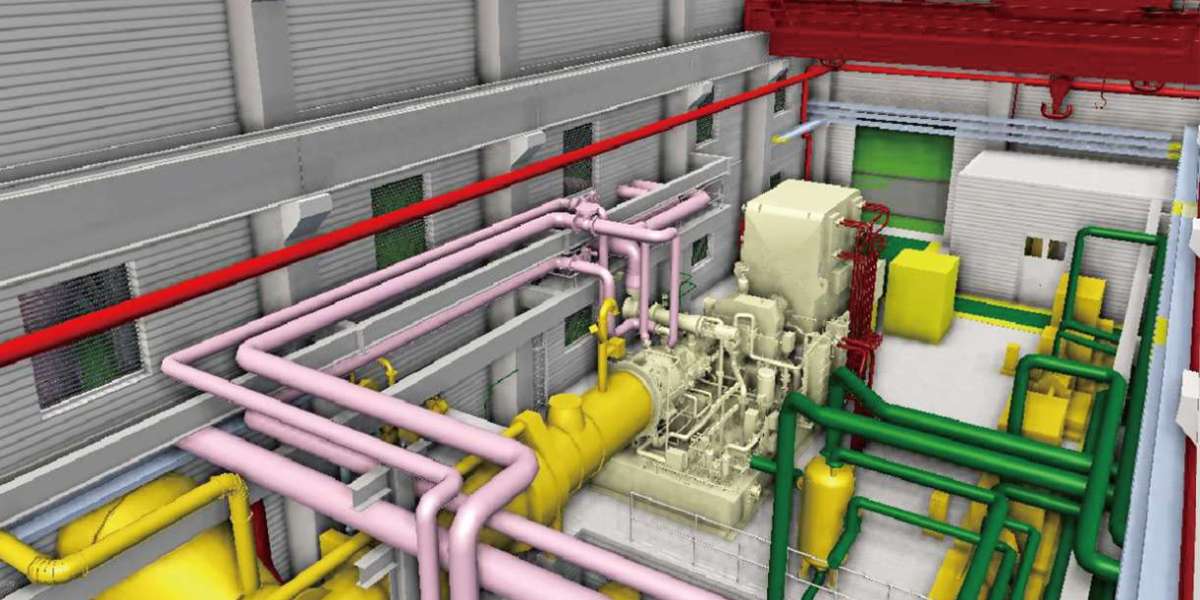
Hybrid energy systems are changing how industrial facilities produce and manage power. These systems blend different energy sources—such as thermal, renewable, and waste heat generation—so factories can reduce costs, cut emissions, and improve reliability. Runh Power plays a growing role in helping industrial users adopt these systems. At the center of its approach is the integration of different power components, including the steam turbine island, with control engineering that ties everything together into a single, flexible system.
A major reason hybrid systems are becoming important is the shift toward energy efficiency. Factories no longer want to rely on only one type of power source. Instead, they want a balanced energy mix that takes advantage of renewables during peak hours and thermal power during high-demand moments. This mix supports more stable production and reduces unexpected downtime. Runh Power’s engineering teams help customers evaluate available resources, match energy inputs to industrial loads, and design systems that can support long operating cycles without affecting quality or production targets.
Another part of Runh Power’s strategy involves understanding industrial needs before proposing solutions. Each industry—such as cement, chemicals, food processing, or metals—has different energy needs. Some require constant steam for manufacturing processes, while others demand high electrical power for machinery. Hybrid systems allow these industries to use resources more wisely. For example, excess heat from industrial operations can be converted into steam, which can support power generation or be reused in production. This reduces energy waste and increases overall system efficiency.
Retrofitting is also a key focus area in many industrial settings. Instead of building new power facilities from scratch, companies often prefer upgrading their existing systems to support hybrid operation. Runh Power supports this by helping customers make better use of thermal infrastructure they already own. One example lies in efficient boiler island retrofits, which update older boilers so they can work with multiple energy inputs or deliver cleaner heat outputs. These retrofits improve control performance, reduce energy losses, and often help facilities meet modern emissions standards without requiring large new investments.
Hybrid systems also depend on strong monitoring and automation. Industrial users need real-time data to balance their energy flow. Runh Power offers digital tools that track performance, predict maintenance needs, and prevent equipment failures before they occur. These systems help operators understand fuel usage, output levels, peak demand patterns, and environmental performance. With better information, facilities can optimize energy scheduling and reduce unnecessary costs.
Another important goal is environmental impact. Many industries face pressure to lower emissions and reduce their dependence on fossil fuels. Hybrid systems offer a practical pathway by combining cleaner energy sources with traditional ones. This approach does not require industries to shut down existing equipment or wait for new energy technologies to mature. Instead, they gradually transition, balancing both current needs and future sustainability targets. Runh Power guides clients through this transition by offering engineering assessments, regulatory knowledge, and long-term upgrade planning.
Scalability is also a major advantage of hybrid energy systems. Industrial production often changes over time. Demand may grow, or different product lines may require new energy patterns. Hybrid systems can expand without major redesign. New generation units, heat recovery equipment, or fuel sources can be added without stopping current operations. Runh Power supports this modular idea by designing systems that are flexible and can adapt to future needs.
In the final part of its strategy, Runh Power continues to build advanced engineering capabilities to support modern hybrid systems. Many of these improvements come from stronger component design, better materials, and more intelligent control software. A key example is the development and deployment of advanced steam turbine island technology, which brings higher efficiency, improved durability, and more responsive load-following performance. This helps hybrid systems operate smoothly, adjust to energy demand quickly, and support continuous industrial processes without interruptions.
In conclusion, hybrid energy systems are becoming a practical and strategic choice for many industries. They improve efficiency, cut costs, lower emissions, and reduce dependency on a single energy source. Runh Power supports this shift through engineering design, retrofitting services, digital monitoring, and advanced component development. As more industries face strict energy and environmental challenges, hybrid systems offer a pathway toward reliable, efficient, and sustainable power use—making them an important part of future industrial energy planning.