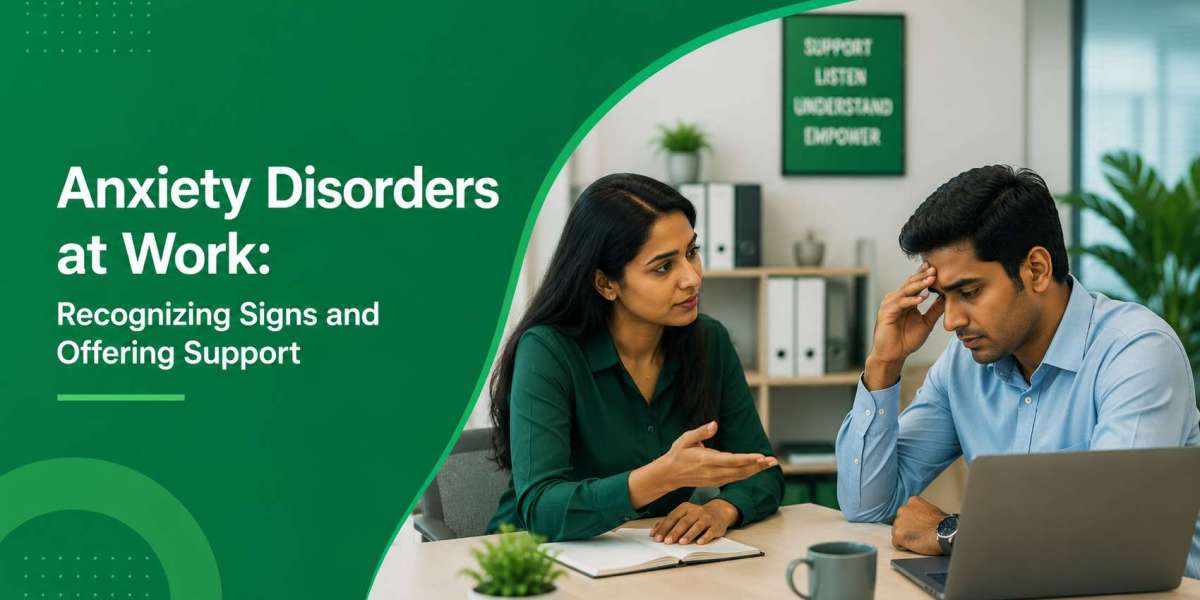
Anxiety is one of the most common mental health conditions among working professionals in India, yet it is also one of the most misread. A colleague who seems "highly strung" or "overly cautious" may actually be managing a clinical anxiety disorder quietly, every single day, while still meeting deadlines. Understanding the difference between everyday work stress and a genuine anxiety disorder helps managers respond in ways that actually help.
Anxiety vs. Everyday Work Stress
Almost everyone feels stressed before a big presentation or a tough client call. That is a normal, temporary response to pressure. An anxiety disorder is different in three key ways:
- Duration: The worry persists well beyond the triggering event, sometimes for weeks
- Intensity: The physical and emotional response is disproportionate to the actual situation
- Interference: It measurably affects the person's ability to function — sleep, concentration, decision-making, or relationships at work
Deloitte India's workplace mental health research has found anxiety among the most commonly reported symptoms by employees, alongside burnout and sleep disturbance — a signal that this is not a rare or marginal issue in Indian offices.
Common Types of Anxiety Disorders Seen at Work
Generalised Anxiety Disorder (GAD)
Persistent, excessive worry about multiple areas of life — work performance, finances, relationships — that is difficult to control. Employees with GAD often over-prepare, seek excessive reassurance, or struggle to relax even after completing tasks successfully.
Social Anxiety Disorder
An intense fear of being judged or evaluated by others. In the workplace, this can look like avoiding meetings, staying silent even when someone has valuable input, or extreme distress before presentations.
Panic Disorder
Recurrent, sudden episodes of intense fear accompanied by physical symptoms — racing heart, shortness of breath, dizziness. These can happen with no obvious external trigger and are often mistaken for a medical emergency the first time they occur.
Performance and Achievement Anxiety
Particularly common in high-pressure, output-driven industries like IT services, consulting, and sales, this involves persistent fear of failure or making mistakes, often accompanied by perfectionism.
How Anxiety Shows Up in Daily Work
- Physical symptoms: Racing heart, sweating, trembling, gastrointestinal discomfort, tension headaches
- Cognitive patterns: Catastrophising ("if I get this wrong, I'll lose my job"), difficulty concentrating, excessive rumination over past mistakes
- Behavioural signs: Avoiding meetings or public speaking, procrastination driven by fear of imperfection, excessive checking of work, seeking constant reassurance from managers
- Sleep disruption: Difficulty falling asleep due to racing thoughts about work, or waking early with worry
The Cost of Ignoring Workplace Anxiety
Unaddressed anxiety does not stay contained to an individual's personal experience — it affects team dynamics and output. Employees managing untreated anxiety often experience presenteeism, where they are physically at work but significantly less productive due to internal distress. Over time, this contributes to burnout, increased sick leave, and higher attrition, echoing the broader burnout statistics seen across Indian corporate sectors, where a majority of employees report significant stress-related symptoms.
How Managers Can Support an Anxious Employee
Start With Observation, Not Assumption
Notice patterns rather than jumping to conclusions. A single missed deadline is not evidence of anxiety. A consistent pattern of avoidance, visible distress, or a noticeable change from someone's usual behaviour is worth a private, supportive conversation.
Create Low-Pressure Ways to Communicate
Not every employee will feel comfortable speaking up in a group setting. Offering written updates as an alternative to verbal status reports, or one-on-one check-ins instead of group put-on-the-spot questions, can reduce unnecessary anxiety triggers without lowering standards.
Be Specific and Predictable
Ambiguity fuels anxiety. Clear expectations, defined deadlines, and predictable feedback cycles reduce the uncertainty that often drives anxious rumination. Avoid last-minute changes where possible, and when they are unavoidable, communicate them as early as you can.
Avoid Over-Reassurance as the Only Tool
While reassurance has its place, constantly reassuring an anxious employee without addressing root causes (unclear expectations, unsustainable workload) can create dependency without solving the underlying problem.
Normalise Asking for Help
Managers who speak openly about stress and mental health — without oversharing personal details — help reduce the stigma that keeps anxious employees from disclosing what they're dealing with.
What Employees Managing Anxiety Can Do
- Identify specific triggers — is it public speaking, tight deadlines, ambiguous instructions, or something else? Naming the trigger makes it easier to plan around.
- Use grounding techniques before high-pressure moments — slow breathing, brief walks, or a few minutes of quiet before a big meeting can meaningfully reduce physical symptoms.
- Communicate proactively — flagging a tight deadline early is far less stressful than scrambling silently until the last moment.
- Seek professional support — cognitive behavioural therapy (CBT) has strong evidence for treating anxiety disorders and is increasingly accessible through employee assistance programmes and telehealth platforms in India.
- Protect recovery time — anxiety often worsens with chronic sleep deprivation; protecting sleep and downtime is not indulgent, it is functional.
Building Organisational Systems That Reduce Anxiety Triggers
Beyond individual support, organisations can reduce the structural drivers of workplace anxiety:
- Set realistic deadlines with buffer time built in, rather than compressed, back-to-back sprints
- Provide clear, written expectations for deliverables to reduce ambiguity
- Offer flexible formats for presenting work (written, recorded, live) where possible
- Train managers to recognise anxiety-related patterns as part of broader mental health literacy programmes
- Ensure confidential access to counselling or psychiatric support is genuinely easy to use
Conclusion
Anxiety disorders are common, treatable, and often invisible in professional settings. Employees managing anxiety are frequently among the most conscientious people on a team — their worry often comes from caring deeply about doing good work, not from a lack of capability. Recognising the signs early, responding with structure and empathy rather than assumption, and building workplace systems that reduce unnecessary uncertainty can make the difference between an employee who struggles silently and one who thrives with the right support in place.