A well-designed kitchen ventilation system is one of the most important components of any commercial kitchen. Whether operating a restaurant, hotel, café, food truck, school cafeteria, or catering facility, maintaining clean air and a safe cooking environment is essential. A Captive Air hood is a high-performance commercial kitchen exhaust hood designed to remove smoke, grease, heat, steam, and airborne contaminants produced during cooking. These ventilation systems help improve air quality, enhance workplace safety, and ensure compliance with local building and fire safety regulations.
Captive Air is widely recognized for manufacturing advanced commercial ventilation systems that combine energy efficiency, durability, and innovative technology. Their kitchen hoods are used in restaurants and commercial food service facilities worldwide because they provide reliable performance while reducing operating costs. This guide explores everything you need to know about Captive Air hoods, including how they work, their benefits, available types, essential features, maintenance, and factors to consider before purchasing one.
What Is a Captive Air Hood?
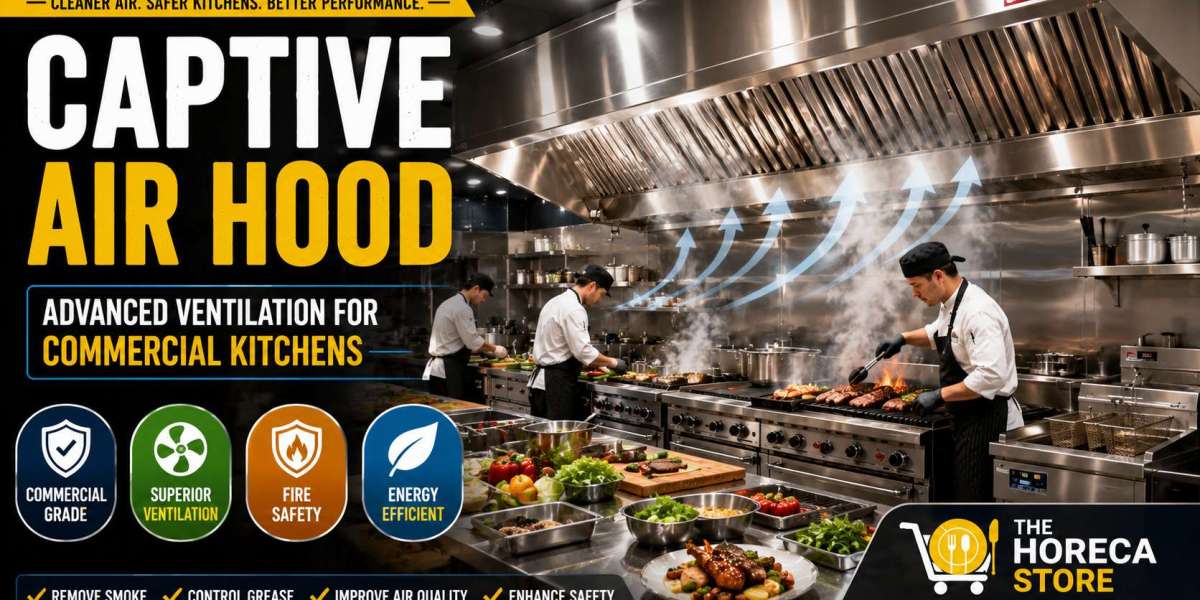
A Captive Air hood is a commercial kitchen ventilation system installed above cooking equipment to capture and remove grease-laden vapors, smoke, odors, steam, and excess heat generated during food preparation.
The hood connects to an exhaust system that pulls contaminated air through grease filters before safely venting it outside the building. Many Captive Air systems also integrate make-up air units that replace exhausted air with fresh, conditioned air to maintain proper indoor air balance.
These systems are commonly installed above fryers, grills, ranges, ovens, charbroilers, woks, and other commercial cooking appliances.
Why Kitchen Ventilation Is Important
Commercial kitchens generate large amounts of smoke, grease particles, moisture, and heat throughout the day. Without proper ventilation, these contaminants can create uncomfortable working conditions, increase fire risks, damage equipment, and negatively affect indoor air quality.
A properly installed Captive Air hood helps remove airborne grease before it accumulates, lowers kitchen temperatures, improves employee comfort, and supports compliance with health and fire safety codes.
Good ventilation also protects ceilings, walls, lighting, and HVAC systems from grease buildup, reducing cleaning and maintenance costs.
How a Captive Air Hood Works
Captive Air hoods operate by drawing contaminated air through grease filters using powerful exhaust fans. Grease particles are trapped inside specialized baffle filters while smoke, heat, steam, and odors are exhausted outside the building.
Many systems include make-up air units that replace exhausted air with fresh outdoor air. This balanced airflow prevents negative air pressure, allowing doors to open easily and HVAC systems to operate efficiently.
Some advanced models also feature automated controls that adjust fan speeds based on cooking activity, reducing energy consumption during slower periods.
Types of Captive Air Hoods
Different commercial kitchens require different ventilation solutions.
Type I Kitchen Hoods
Type I hoods are designed for grease-producing cooking equipment such as fryers, grills, charbroilers, ranges, and griddles. They include grease filters and fire suppression compatibility.
Type II Kitchen Hoods
Type II hoods are used above appliances that generate heat, steam, or moisture but produce little or no grease, such as ovens, dishwashers, and steamers.
Wall-Mounted Hoods
Wall-mounted systems are installed against a kitchen wall above cooking equipment, making them suitable for most restaurant layouts.
Island Hoods
Island hoods are suspended from the ceiling above cooking equipment located in the center of the kitchen.
Key Features of Captive Air Hoods
Modern Captive Air ventilation systems include numerous features designed to improve efficiency and safety.
High-Efficiency Grease Filters
Baffle filters effectively capture grease while allowing proper airflow through the ventilation system.
Durable Stainless Steel Construction
Commercial-grade stainless steel resists corrosion, simplifies cleaning, and withstands demanding kitchen environments.
Energy-Efficient Controls
Variable-speed fan technology automatically adjusts ventilation based on cooking demand, reducing electricity usage.
Make-Up Air Integration
Fresh air replacement systems improve indoor comfort while maintaining balanced building pressure.
Fire Suppression Compatibility
Many Captive Air hoods are designed to integrate with automatic fire suppression systems for enhanced kitchen safety.
Quiet Operation
Advanced fan designs minimize noise while maintaining excellent ventilation performance.
Benefits of Installing a Captive Air Hood
Improved Air Quality
Removing smoke, grease, odors, and airborne contaminants creates a healthier environment for employees and customers.
Enhanced Fire Safety
Capturing grease before it accumulates significantly reduces the risk of kitchen fires.
Better Employee Comfort
Lower kitchen temperatures and improved airflow help staff work more comfortably and efficiently.
Energy Savings
Modern ventilation controls reduce energy consumption by adjusting airflow based on cooking activity.
Regulatory Compliance
Proper ventilation helps commercial kitchens meet local health, building, and fire code requirements.
Longer Equipment Life
Reducing grease buildup protects cooking equipment, lighting fixtures, ceilings, and HVAC systems from damage.
Businesses That Use Captive Air Hoods
Captive Air ventilation systems are widely used throughout the food service industry.
Common applications include:
Restaurants
Hotels
Cafés
Bakeries
Fast-food restaurants
School cafeterias
Hospitals
Catering kitchens
Food courts
Food trucks
Corporate cafeterias
Universities
Casinos
Event venues
Every commercial kitchen benefits from proper ventilation and cleaner working conditions.
Choosing the Right Captive Air Hood
Selecting the appropriate ventilation system depends on several important factors.
Consider the size of your kitchen, cooking equipment, menu type, ventilation requirements, and local building codes. Heavy grease-producing operations require Type I hoods with adequate exhaust capacity, while steam-producing appliances may only require Type II systems.
Working with qualified kitchen designers and HVAC professionals helps ensure proper sizing and installation.
Maintenance Tips
Routine maintenance is essential for maintaining ventilation performance and fire safety.
Clean grease filters regularly according to cooking volume. Inspect exhaust ducts, fans, belts, and motors for wear or grease accumulation.
Schedule professional hood cleaning at recommended intervals to remove grease from ductwork and exhaust components.
Check make-up air systems, electrical controls, and fire suppression equipment periodically to ensure proper operation.
Regular maintenance improves efficiency while extending equipment lifespan.
Factors to Consider Before Buying
Before investing in a Captive Air hood, evaluate these important factors:
Hood type
Airflow capacity
Kitchen size
Cooking equipment
Grease production
Energy efficiency
Stainless steel construction
Fire suppression compatibility
Noise level
Warranty coverage
Carefully comparing these features helps ensure your ventilation system meets both operational and regulatory requirements.
Final Thoughts
A Captive Air hood is an essential investment for any commercial kitchen that prioritizes safety, efficiency, and air quality. By effectively removing smoke, grease, heat, and odors, these advanced ventilation systems create a cleaner, more comfortable working environment while supporting compliance with health and fire safety regulations.
The Horeca Store whether you operate a restaurant, hotel, café, catering kitchen, or institutional food service facility, choosing the right Captive Air hood improves kitchen performance, protects valuable equipment, and reduces long-term operating costs. With proper installation and regular maintenance, a high-quality Captive Air hood provides reliable ventilation and lasting value, making it one of the most important components of any professional kitchen.