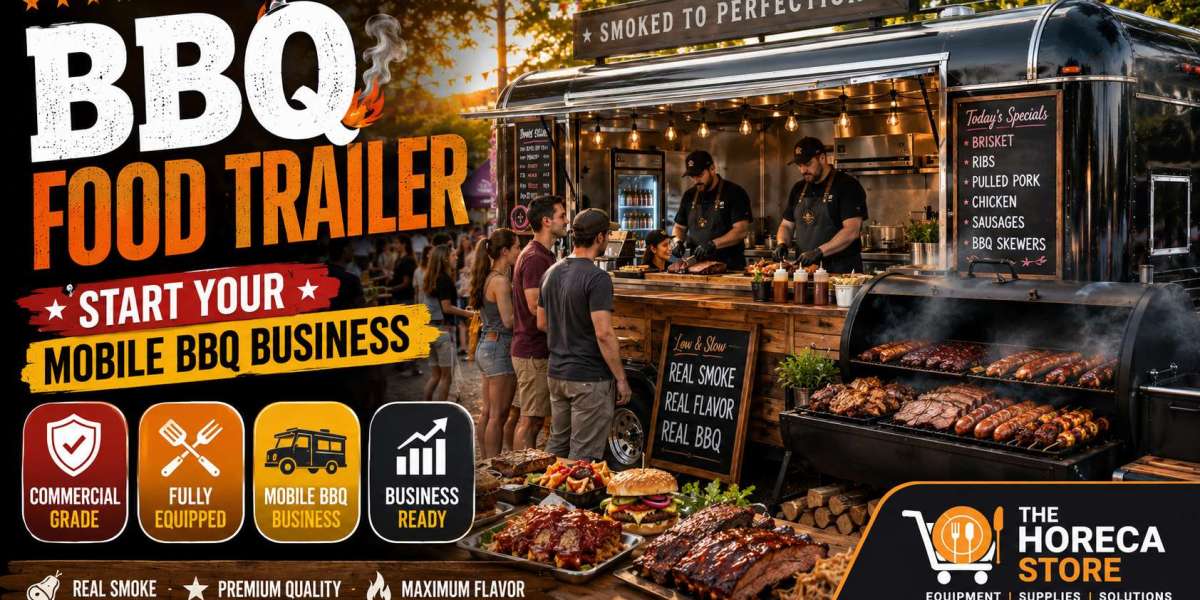
The popularity of mobile food businesses has grown rapidly over the past decade, and barbecue remains one of the most profitable and customer-favorite cuisines in the industry. Investing in a BBQ food trailer is an excellent opportunity for entrepreneurs who want to serve authentic smoked meats and grilled specialties while avoiding the high costs of opening a traditional restaurant. With the flexibility to travel to festivals, sporting events, farmers' markets, private parties, and corporate functions, a BBQ food trailer allows owners to bring delicious barbecue directly to customers.
Whether you're an experienced pitmaster or someone looking to enter the food service industry, a well-designed BBQ food trailer provides everything needed to prepare, cook, and serve high-quality barbecue. From commercial smokers and grills to refrigeration and food preparation equipment, choosing the right trailer is the first step toward building a successful mobile business. This guide covers everything you need to know about BBQ food trailers, including their benefits, essential equipment, licensing, maintenance, and tips for choosing the right trailer.
What Is a BBQ Food Trailer?
A BBQ food trailer is a towable mobile kitchen specifically designed for cooking and serving barbecue meals. Unlike a food truck, a trailer does not have its own engine and must be pulled by a towing vehicle. This makes it a more affordable option while providing greater flexibility in size, kitchen layout, and customization.
Most BBQ food trailers are equipped with commercial smokers, grills, fryers, refrigerators, freezers, prep tables, sinks, storage cabinets, ventilation systems, and serving windows. Some larger trailers also include warming cabinets, beverage stations, generators, and point-of-sale systems to improve efficiency and customer service.
These trailers are commonly used at food festivals, community events, fairs, concerts, sporting events, weddings, corporate catering, and private celebrations.
Why Start a BBQ Food Trailer Business?
Starting a BBQ food trailer business offers numerous advantages over opening a traditional restaurant.
Lower Startup Costs
A BBQ food trailer typically requires a much smaller investment than building or leasing a permanent restaurant. Business owners can avoid expensive rent, renovations, and utility costs while still operating a fully functional commercial kitchen.
Mobility and Flexibility
One of the biggest benefits of a BBQ food trailer is the ability to move to locations with high customer traffic. Operators can attend festivals on weekends, serve office workers during weekdays, and cater private events throughout the year.
High Customer Demand
Barbecue remains one of the most popular food choices across the country. Customers enjoy smoked brisket, pulled pork, ribs, chicken, sausages, burgers, and barbecue sandwiches, creating strong demand in nearly every market.
Multiple Revenue Opportunities
A BBQ food trailer can generate income from:
Food festivals
Farmers' markets
Sporting events
Music concerts
Corporate lunches
Wedding catering
Private parties
Community celebrations
Holiday festivals
Street food events
Serving multiple locations helps maximize revenue while expanding brand recognition.
Essential Equipment for a BBQ Food Trailer
Reliable commercial equipment is essential for producing consistent, high-quality barbecue.
Commercial Smoker
The smoker is the centerpiece of every BBQ food trailer. It prepares brisket, ribs, pork shoulder, chicken, turkey, and sausages while delivering authentic smoked flavor.
Commercial Grill
Grills provide additional cooking capacity for burgers, steaks, hot dogs, vegetables, and sandwiches during busy service periods.
Refrigeration Units
Commercial refrigerators keep raw meat, sauces, beverages, vegetables, and other ingredients stored safely at proper temperatures.
Freezer
A freezer allows operators to store bulk meat and frozen ingredients, helping reduce food costs and improve inventory management.
Food Preparation Tables
Stainless steel prep tables provide clean, sanitary workspaces for trimming meat, assembling meals, and packaging customer orders.
Warming Cabinets
Holding cabinets keep cooked barbecue at safe serving temperatures while maintaining moisture and flavor.
Sink System
Health regulations generally require separate handwashing sinks and three-compartment sinks for cleaning utensils and equipment.
Ventilation System
A high-quality exhaust hood removes smoke, grease, and heat, creating a safer and more comfortable working environment.
Point-of-Sale System
Modern POS systems simplify payment processing, inventory tracking, and daily sales reporting.
Popular BBQ Food Trailer Menu Ideas
Offering a diverse menu attracts more customers and increases average order value.
Popular menu items include:
Smoked brisket
Pulled pork sandwiches
Baby back ribs
Smoked chicken
BBQ turkey
Smoked sausage
Beef burgers
BBQ tacos
Loaded fries
Mac and cheese
Coleslaw
Baked beans
Cornbread
Potato salad
Sweet tea
Lemonade
Seasonal specials and family meal packages can also boost sales and encourage repeat customers.
Benefits of Owning a BBQ Food Trailer
Lower Operating Expenses
Without the overhead costs of a traditional restaurant, BBQ food trailers often achieve higher profit margins.
Strong Brand Visibility
A custom-designed trailer acts as a moving advertisement, attracting attention wherever it operates.
Flexible Business Schedule
Owners can adjust operating hours based on demand, weather conditions, and event schedules.
Business Expansion Opportunities
Many successful barbecue businesses begin with one trailer before expanding into multiple trailers, catering services, or permanent restaurant locations.
Choosing the Right BBQ Food Trailer
Before purchasing a trailer, carefully evaluate your operational needs.
Trailer Size
Choose a trailer with enough workspace for cooking, food preparation, storage, and customer service while remaining easy to tow.
Build Quality
Look for trailers with heavy-duty steel frames, insulated walls, weather-resistant exteriors, stainless steel interiors, and durable flooring.
Interior Layout
A well-planned kitchen layout improves workflow by separating cooking, storage, cleaning, and serving areas.
Utility Systems
Ensure the trailer includes adequate plumbing, freshwater tanks, wastewater tanks, electrical wiring, propane connections, and generator compatibility.
Licensing and Legal Requirements
Operating a BBQ food trailer requires compliance with local regulations.
Business owners typically need business registration, food service permits, health department inspections, fire safety approvals, and mobile vending licenses. Some jurisdictions also require commissary kitchen agreements and periodic equipment inspections.
Meeting these legal requirements helps ensure safe operations and builds customer confidence.
Maintenance Tips
Routine maintenance keeps your BBQ food trailer operating efficiently.
Clean smokers, grills, grease traps, ventilation systems, and food preparation surfaces after every service. Inspect refrigeration equipment, plumbing, electrical systems, trailer tires, brakes, and towing components regularly.
Maintain generators according to manufacturer recommendations and replace worn components before they affect daily operations.
Preventive maintenance reduces repair costs while extending equipment lifespan.
Factors to Consider Before Buying
Before investing in a BBQ food trailer, evaluate these important factors:
Trailer size
Cooking capacity
Smoker quality
Refrigeration
Ventilation system
Water and plumbing
Storage space
Electrical system
Generator compatibility
Warranty coverage
Choosing a trailer that meets both your current needs and future business goals provides the greatest long-term value.
Final Thoughts
A BBQ food trailer offers an excellent opportunity to build a successful mobile food business while enjoying the flexibility and lower startup costs that mobile operations provide. With the right commercial equipment, a durable trailer, and a menu featuring high-quality smoked meats and flavorful barbecue dishes, entrepreneurs can serve customers at festivals, private events, and busy public locations throughout the year.
The Horeca Store by investing in reliable equipment, maintaining high food safety standards, and delivering outstanding customer service, your BBQ food trailer can become a trusted local favorite and a profitable long-term business. Whether you're just starting out or expanding an existing food operation, a professionally equipped BBQ food trailer provides the mobility, efficiency, and versatility needed to thrive in today's competitive food service industry.