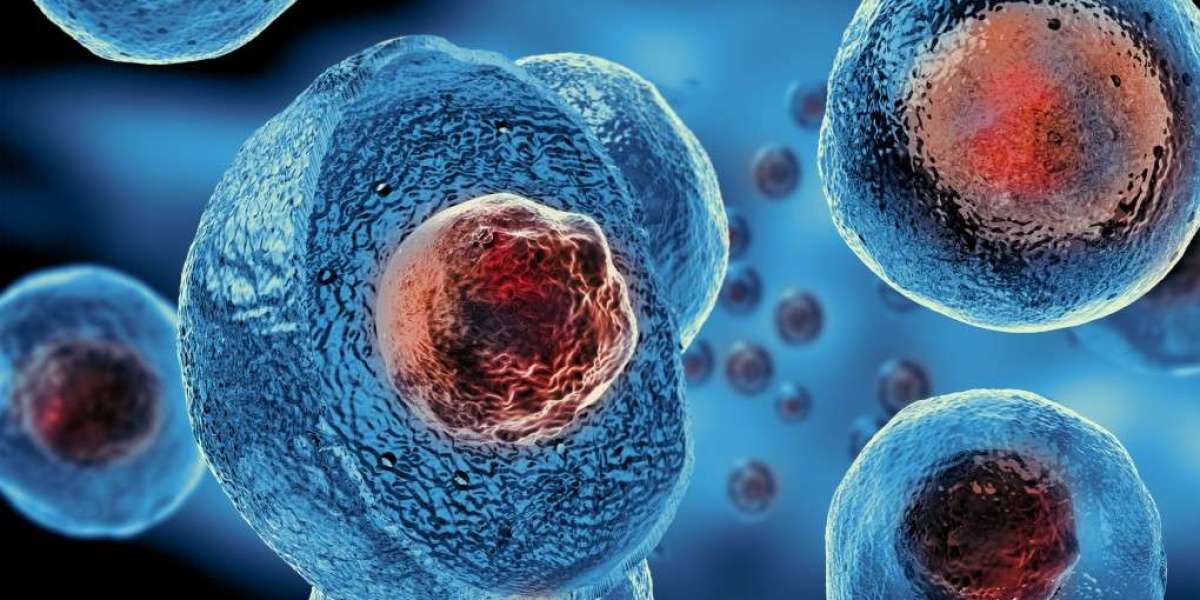
Adult stem cells are special cells that are present all over the body. They may develop into a specific type of cell and become able to repair damaged tissues. Research and use of adult stem cells have branched out into the fields of medicine today, as they could play a role in healing and benefiting persons with significant health issues, thus enhancing their quality of life.
Understanding How Adult Stem Cells Work in the Body
Adult stem cells are found in mature tissues (bone marrow, fats, and blood). These cells are produced naturally in the body and are helpful in replacing the damaged cells. They have great potential for scientific research and medical applications due to their anti-inflammatory properties and roles in tissue repair. Typically, these cells are from the patient's body. This reduces the risk of rejection. Scientists also are discovering new applications for such cells in diseases that are hard to treat.
A Growing List of Diseases Treated by Stem Cells
Research continues and the list of diseases treated by stem cells is growing. Several are currently licensed and some are in clinical trials. Research has demonstrated some potential of stem cells for patients suffering from blood disorders, immune system diseases and some injuries.
New research shows that stem cells have the potential of revolutionizing the treatment of many chronic diseases. However, the results are not always promising for every patient and some conditions do not have an approved stem cell therapy yet.
Medical Conditions Where Stem Cells Are Commonly Used
- Leukemia and lymphoma
- Multiple myeloma
- Aplastic anemia
- Some genetic blood diseases
- Some immune system diseases
- Severe burns & skin injuries
- Cartilage injury to joints
A lot of these therapies are based on stem cell transplants. One of the most prominent is a bone marrow transplant, which has been used satisfactorily for many years.
Why Researchers Continue to Study Stem Cell Treatments
However, the list of diseases treated by stem cells could be cured and expanded as scientists are trying to work out how to treat many other diseases of the body. Current studies include brain, heart and nerve diseases. As part of continuing research, some studies are currently being conducted on:
- Parkinson's disease
- Stroke recovery
- Type 1 diabetes
- Heart failure
- Spinal cord injuries
- Osteoarthritis
- Liver disease
These studies are still under assessment. These treatments have to be studied further to make them more widely available.
The Different Sources of Adult Stem Cells
Adult stem cells may be found in various locations within the body. Each source offers its own benefits and limitations.
- Bone Marrow: An ancient and prevalent resource. It has been well documented and utilized in the treatment of blood diseases.
- Fat Tissue: Fat has a lot of stem cells that can repair tissue.
- Peripheral Blood: Special medicines can be used to reach the bloodstream and stem cells can be taken from it.
- Dental Tissue: Even stem cells have been discovered in dental pulp. The cells are now being investigated for potential therapies for the future.
Key Advantages That Highlight the Value of Adult Stem Cells
These cells are of interest to doctors and researchers for many reasons.
- These can help repair damaged tissues.
- They can reduce the inflammation.
- Sometimes, they can be part of the patient's body itself.
- Due to its lesser ethical concerns, it is less controversial than embryonic stem cells.
- They can aid recovery from wounds.
As a result of these advantages, Stem Cell Research is one of the most rapidly expanding fields in contemporary medicine.
Exploring the Challenges and Limitations of Stem Cell Therapy
Stem cell treatment may come in time, but it is not a type of cure to all the diseases. Not all treatments are proven to be effective and some are still being tested. Any procedure should not be performed without consulting appropriate healthcare professionals first.
Individuals should also ensure that they get treatment from health centers that are licensed and trusted. It's very crucial to carefully diagnose and receive medical advice before beginning any type of stem cell therapy.
What do we look forward to in the future of stem cell medicine?
Year after year, more research into adult stem cells is being done. Researchers are finding out more about the function of these cells as well as how they could aid people with various health issues. New research can be used to develop more and safer treatments in the future.
Stem cells might play an even larger part in medicine with more knowledge. Although there are still many questions about adult stem cells, one thing is certain, this new field of healthcare and regenerative medicine has sparked possibilities for the future.
Conclusion
Adult stem cells have created new opportunities in modern medicine. In fact, they are already used to treat certain blood and immune system diseases and their application is the subject of research for many other diseases. As of now, stem cells can help treat a number of diseases, although there are still more to come. As research continues and under clinical supervision, adult stem cells can be greater contributors to enhancing patient care in the future.
Take the next step toward better health with NJINSKY Clinic, offering advanced stem cell treatments and personalized care to help you achieve lasting wellness.