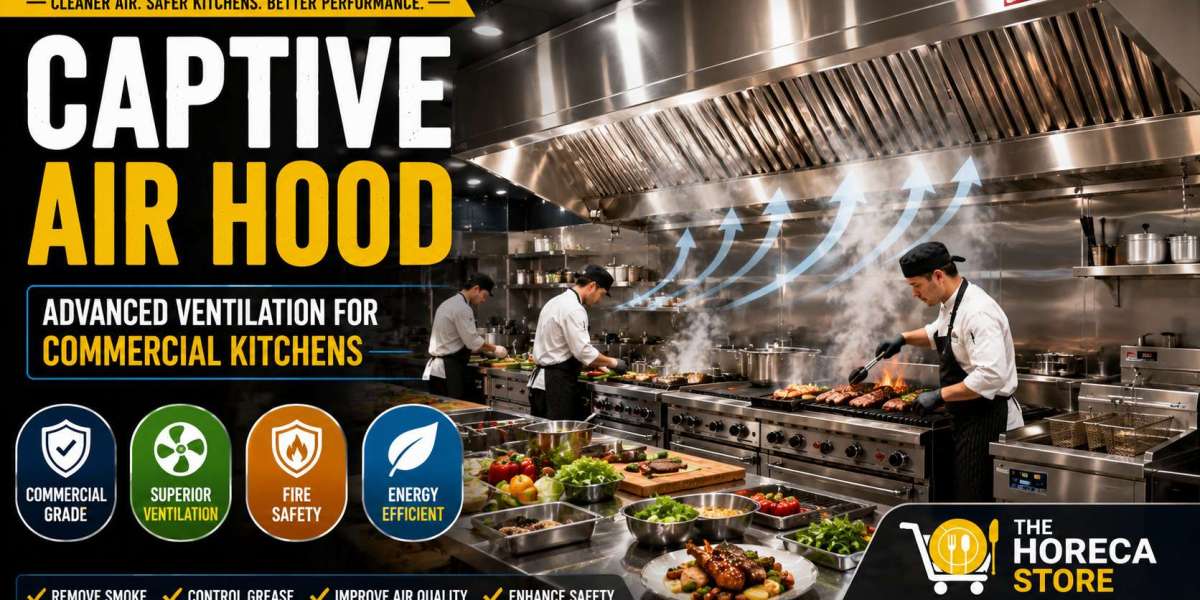
A well-designed ventilation system is one of the most important components of any commercial kitchen. Whether you're operating a restaurant, café, hotel, bakery, or institutional kitchen, proper ventilation helps maintain a safe, comfortable, and efficient working environment. A Captive Aire hood is one of the most trusted solutions for removing smoke, grease, heat, and cooking odors while supporting compliance with commercial kitchen safety standards.
Captive Aire is known for manufacturing high-quality ventilation systems designed for the foodservice industry. Their commercial exhaust hoods are widely used in restaurants of all sizes because they combine durability, energy efficiency, and reliable performance. If you're planning a new kitchen or upgrading your existing ventilation system, understanding the features and benefits of a Captive Aire hood can help you make an informed decision.
What Is a Captive Aire Hood?
A Captive Aire hood is a commercial kitchen ventilation hood installed above cooking equipment to capture and remove airborne grease, smoke, steam, and heat generated during food preparation. The system works by drawing contaminated air through grease filters before exhausting it outside the building or processing it through specialized filtration systems.
These hoods help improve indoor air quality, protect kitchen equipment, and create a safer environment for kitchen staff. They are commonly installed above fryers, grills, ovens, ranges, charbroilers, and other heavy-duty cooking appliances.
Why Proper Kitchen Ventilation Matters
Commercial kitchens produce large amounts of heat, grease, smoke, and moisture throughout the day. Without proper ventilation, these contaminants can affect employee comfort, food quality, and overall safety.
An efficient ventilation hood helps remove airborne grease before it accumulates on walls, ceilings, and equipment. It also reduces excessive kitchen temperatures, making the workspace more comfortable and improving productivity during busy service hours.
Proper ventilation also supports compliance with local health and fire safety regulations, helping restaurants pass inspections and reduce fire risks.
Key Features of a Captive Aire Hood
Captive Aire hoods are designed to meet the demands of busy commercial kitchens while offering long-lasting performance.
One of the most important features is the stainless steel construction. Stainless steel resists corrosion, is easy to clean, and provides excellent durability in high-temperature environments.
Another valuable feature is the grease filtration system. High-efficiency grease filters capture airborne grease particles before they enter the exhaust duct, reducing maintenance requirements and improving fire safety.
Many Captive Aire hoods are also designed with energy efficiency in mind. Advanced airflow management systems help reduce energy consumption while maintaining effective ventilation performance.
In addition, many models can be customized to fit different kitchen layouts, cooking equipment, and ventilation requirements.
Types of Captive Aire Hoods
Different cooking applications require different ventilation solutions.
Type I Hood
A Type I hood is designed for equipment that produces grease and smoke. It is commonly installed above:
Fryers
Charbroilers
Griddles
Gas ranges
Woks
Tilt skillets
These hoods include grease filters and are essential for heavy-duty cooking operations.
Type II Hood
Type II hoods are designed for appliances that produce heat, steam, or moisture but little or no grease.
Common applications include:
Dishwashers
Steamers
Ovens without grease production
Pasta cookers
Choosing the correct hood depends on the type of cooking equipment used in your kitchen.
Benefits of Installing a Captive Aire Hood
Investing in a quality ventilation hood provides several long-term advantages.
A properly installed hood improves indoor air quality by removing smoke, odors, and airborne contaminants. This creates a healthier working environment for kitchen staff and enhances overall comfort.
Effective ventilation also protects expensive cooking equipment from grease buildup, helping extend equipment life and reduce maintenance costs.
Another major benefit is improved fire safety. Grease accumulation inside exhaust systems can become a serious fire hazard. High-quality grease filters help minimize this risk while supporting compliance with fire protection standards.
Energy-efficient ventilation systems may also help reduce utility costs by optimizing airflow and improving overall kitchen efficiency.
Choosing the Right Captive Aire Hood
Selecting the right ventilation hood depends on several factors.
The size of the hood should match the dimensions of your cooking equipment. A hood that is too small may fail to capture smoke and grease effectively, while an oversized hood can increase installation and operating costs.
You should also consider the type of cooking performed in your kitchen. Restaurants using charbroilers, fryers, or grills generally require Type I hoods, while operations focused on steaming or dishwashing may only need Type II ventilation.
Kitchen layout, ceiling height, airflow requirements, and local building codes should also be evaluated before installation.
Working with experienced commercial kitchen designers or equipment suppliers can help ensure the system is properly sized and installed.
Maintenance Tips
Regular maintenance helps keep a Captive Aire hood operating efficiently.
Grease filters should be cleaned frequently to maintain proper airflow and reduce fire hazards. Stainless steel surfaces should also be cleaned regularly to prevent grease buildup and maintain a professional appearance.
Exhaust ducts and fans should be inspected periodically by qualified technicians. Routine maintenance improves system performance, extends equipment life, and helps ensure compliance with local safety regulations.
Scheduling professional inspections can also identify potential issues before they become costly repairs.
Final Thoughts
A Captive Aire hood is an essential investment for any commercial kitchen that values safety, efficiency, and reliable ventilation. By effectively removing grease, smoke, heat, and cooking odors, these ventilation systems help create a cleaner and more comfortable working environment while protecting both employees and equipment The Horeca Store.
Whether you're opening a new restaurant, remodeling an existing kitchen, or upgrading your ventilation system, choosing the right Captive Aire hood can improve kitchen performance and support long-term success. With proper sizing, professional installation, and routine maintenance, a quality commercial ventilation hood will provide dependable performance for years to come while helping your business meet industry safety and health standards.