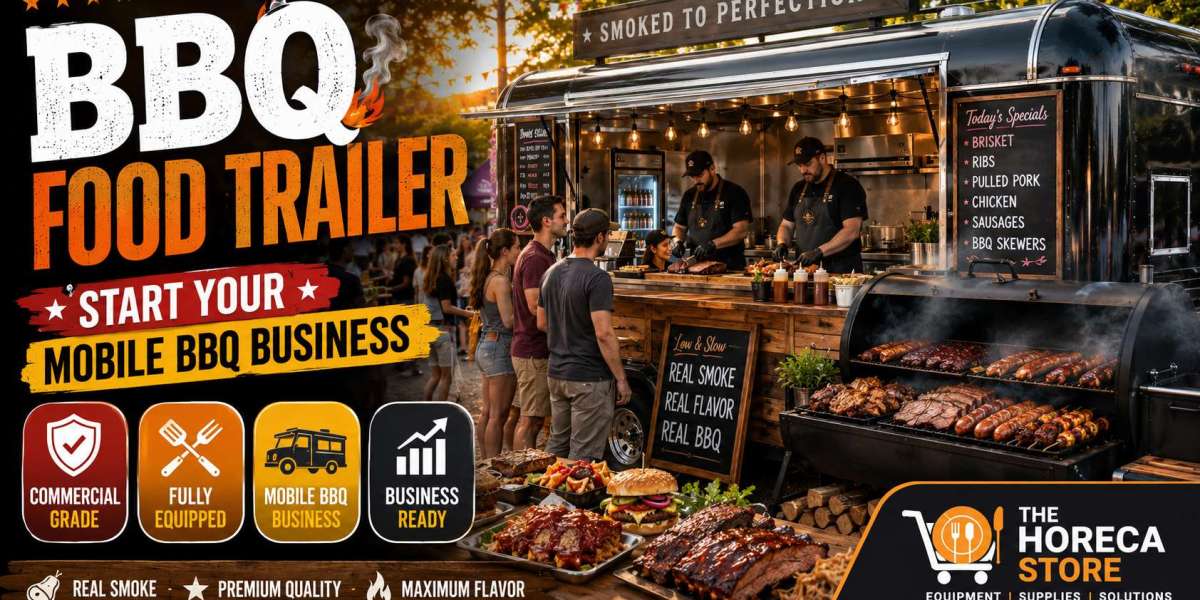
The popularity of mobile food businesses has created exciting opportunities for aspiring entrepreneurs, and one of the most profitable concepts is a BBQ food trailer. From smoked brisket and pulled pork to ribs, grilled chicken, and barbecue sandwiches, a BBQ trailer allows you to serve flavorful meals at festivals, sporting events, food truck parks, private parties, and community gatherings.
Compared to opening a traditional barbecue restaurant, a BBQ food trailer requires a lower investment while offering the flexibility to reach customers in different locations. With the right equipment, quality ingredients, and a well-planned menu, you can build a successful barbecue business that attracts loyal customers wherever you go.
Why Choose a BBQ Food Trailer?
A BBQ food trailer combines mobility with the growing demand for authentic smoked and grilled food. It offers several advantages over a fixed restaurant location.
Lower Startup Costs
Opening a brick-and-mortar BBQ restaurant often involves significant expenses, including rent, renovations, utilities, and staffing. A food trailer requires a much smaller initial investment while still allowing you to operate a professional foodservice business.
Flexibility to Serve Different Markets
One of the biggest benefits of a mobile BBQ business is the ability to travel to locations with high customer traffic. Popular locations include:
Food festivals
County fairs
Farmers' markets
Sporting events
Corporate catering
Concerts
Breweries
Community celebrations
This flexibility helps maximize sales throughout the year.
Growing Customer Demand
Barbecue remains one of the most popular comfort foods in the United States. Customers appreciate freshly smoked meats, homemade sauces, and classic side dishes served quickly from a mobile kitchen.
Essential Equipment for a BBQ Food Trailer
A successful BBQ trailer depends on reliable commercial equipment that can handle high-volume cooking while maintaining food safety standards.
Common equipment includes:
Commercial BBQ smoker
Charcoal or pellet grill
Flat-top griddle
Commercial refrigerator
Freezer
Steam table
Food warmer
Prep table
Three-compartment sink
Handwashing sink
Ventilation hood
Fire suppression system
Stainless steel worktables
Shelving and storage cabinets
Point-of-sale (POS) system
Choosing high-quality commercial equipment improves efficiency and helps maintain consistent food quality during busy service periods.
Choosing the Right BBQ Food Trailer
When shopping for a BBQ food trailer, several factors should influence your decision.
Trailer Size
The size of your trailer depends on your menu and expected customer volume.
10–12 ft: Ideal for a limited menu and smaller events.
14–18 ft: Suitable for most mobile barbecue businesses.
20–24 ft: Best for catering services and high-volume festivals.
Larger trailers provide more prep space and storage but require a larger towing vehicle.
Cooking Capacity
Consider how many customers you expect to serve each day. A larger smoker and additional cooking equipment can significantly reduce wait times during peak hours.
Plumbing and Water Systems
Health departments generally require:
Fresh water tank
Wastewater tank
Water heater
Three-compartment sink
Handwashing sink
These systems are essential for maintaining sanitation and passing inspections.
Electrical Setup
Your trailer should include:
Multiple electrical outlets
Circuit breakers
Interior LED lighting
Generator compatibility
Exterior power connection
Reliable electrical service ensures all equipment operates safely and efficiently.
Building the Perfect BBQ Menu
A focused menu allows you to prepare food efficiently while maintaining consistent quality.
Popular barbecue menu items include:
Smoked brisket
Pulled pork sandwiches
Beef ribs
Pork ribs
Smoked turkey
BBQ chicken
Smoked sausage
Burnt ends
Loaded baked potatoes
Mac and cheese
Coleslaw
Baked beans
Cornbread
French fries
Offering signature sauces and seasonal specials can help differentiate your business from competitors.
New vs. Used BBQ Food Trailers
Both new and used trailers have advantages depending on your budget.
New BBQ Trailer
Benefits include:
Custom floor plan
Brand-new equipment
Manufacturer warranty
Modern safety features
Improved energy efficiency
Used BBQ Trailer
Advantages include:
Lower purchase price
Faster availability
Reduced depreciation
Before purchasing a used trailer, inspect the smoker, refrigeration, plumbing, electrical systems, trailer frame, tires, and overall equipment condition to avoid costly repairs.
Licensing and Health Requirements
Operating a BBQ food trailer requires compliance with local and state regulations.
Typical requirements include:
Business license
Mobile food vendor permit
Health department inspection
Fire inspection
Food handler certification
Vehicle registration
Commercial insurance
Because regulations vary by location, always verify local requirements before launching your business.
How Much Does a BBQ Food Trailer Cost?
The total investment depends on trailer size, equipment, and customization.
Typical price ranges include:
Basic BBQ trailer: $20,000–$40,000
Mid-range commercial trailer: $40,000–$70,000
Fully customized BBQ trailer: $70,000–$150,000+
Additional startup expenses may include permits, branding, inventory, fuel, insurance, marketing, and staffing.
Tips for Running a Successful BBQ Food Trailer
Growing a successful mobile barbecue business requires more than great food. Keep these best practices in mind:
Invest in durable commercial cooking equipment.
Source high-quality meats and fresh ingredients.
Develop a signature barbecue sauce or spice rub.
Keep your menu simple and efficient.
Maintain strict food safety standards.
Build a strong social media presence to announce your locations.
Participate in local events and festivals to increase visibility.
Offer catering services for weddings, corporate events, and private parties.
Focus on fast service and excellent customer experiences to encourage repeat business.
Consistency, cleanliness, and customer service are just as important as great barbecue.
Final Thoughts
A BBQ food trailer offers an exciting opportunity to turn a passion for barbecue into a profitable mobile business. With lower startup costs than a traditional restaurant, the flexibility to serve customers at multiple locations, and the ability to build a loyal following through quality food, mobile barbecue businesses continue to thrive The Horeca Store.
Choosing the right trailer, investing in reliable commercial equipment, and creating a menu that highlights your signature smoked meats can set your business apart in a competitive market. Whether you're serving brisket at a local festival, catering private events, or operating at a busy food truck park, a well-equipped BBQ food trailer gives you the tools to deliver delicious meals and memorable customer experiences. With careful planning, proper licensing, and a commitment to quality, your BBQ food trailer can become a successful and rewarding venture for years to come.