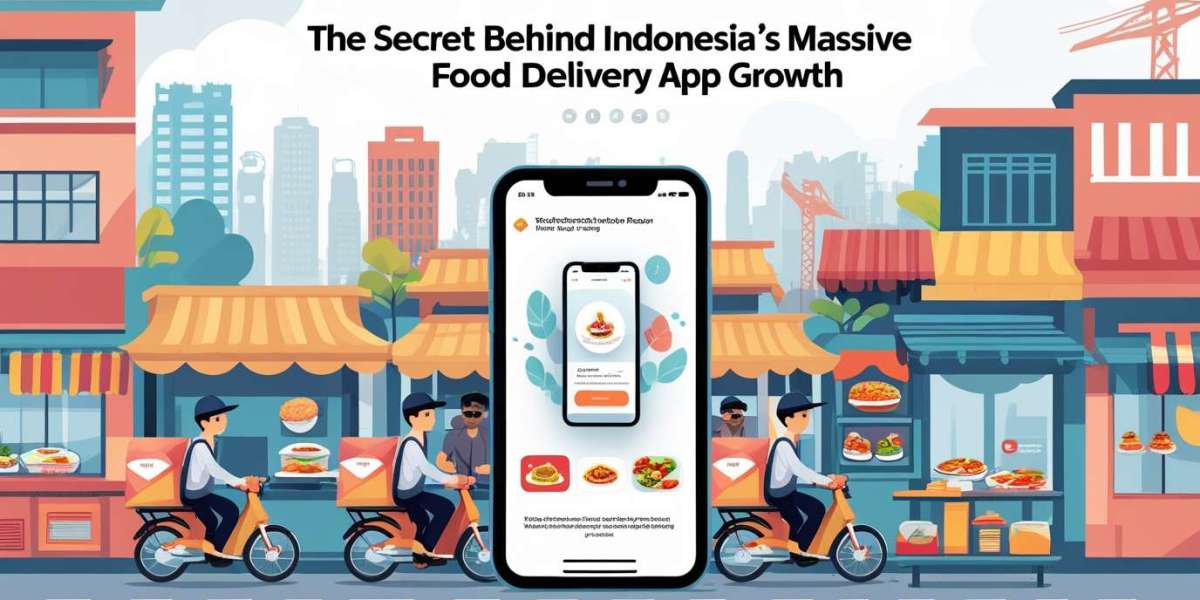
In recent years, Indonesia has witnessed a remarkable surge in the popularity of food delivery apps, transforming the way consumers access dining options and redefining the landscape of the country's food service industry. This explosive growth can be attributed to a combination of factors, including rapid urbanization, an expanding digital economy, and shifting consumer habits that favor convenience. As major players compete for market share, understanding the key drivers behind this boom, the technologies at play, and the evolving preferences of Indonesian consumers is crucial. This article delves into the secret behind Indonesia's massive food delivery app growth, exploring the dynamics that have propelled the sector into the spotlight.
Overview of Indonesia's Food Delivery Market
Indonesia's food delivery market has exploded, much like a hot sambal being splattered in a bustling kitchen. Once a modest segment, it has now become a multi-billion-dollar industry, driven by a combination of tech-savvy consumers, urban density, and of course, a love for food that’s as deep as Indonesia’s culinary traditions. The market size was estimated at USD 4 billion in 2022 and is projected to reach nearly USD 10 billion by 2025. The growth rates are staggering, with some reports suggesting annual growth exceeding 30%.
Market Size and Growth Rates
The size of Indonesia’s food delivery market is akin to a generous helping of nasi goreng—large and satisfying. The industry has seen tremendous year-on-year growth, with a surge in orders pushing revenues to record highs. Factors like increased smartphone penetration and a bustling urban lifestyle have been pivotal in this expansion. As more consumers embrace digital solutions, projections forecast an annual growth rate of around 25% to 30%, proving that people will always find a way to get their favorite dishes delivered, no matter what!
Key Demographics of Users
The users of food delivery apps in Indonesia often resemble a vibrant tapestry woven from various threads of society. Young professionals, university students, and busy families make up a large chunk of the consumer base. Millennials and Gen Z, the app-loving dynamos, are particularly prominent, showing a preference for quick and convenient meal solutions. This demographic is not just tech-savvy; they also have disposable income and a hunger for convenience, making them key players in fuel-ing the growth of food delivery services.
Key Factors Driving Growth
Several factors are at play in Indonesia's food delivery scene, much like the secret ingredients in a beloved family recipe. Urbanization and lifestyle changes, in tandem with the rapid digital transformation, have created a perfect storm for growth.
Urbanization and Changing Lifestyles
As more people flock to urban areas searching for opportunities, the landscape of dining and food accessibility has dramatically shifted. Jakarta, for example, is populated with busy professionals who often prefer a few taps on their smartphone to a long trek to their favorite restaurant. These urban dwellers are increasingly reliant on food delivery, seeing it as a viable solution to their fast-paced lifestyles. Moreover, as traditional food culture meets modern conveniences, we witness Indonesia’s culinary scene evolving with the times.
E-commerce Boom and Digital Payment Adoption
The e-commerce boom in Indonesia isn’t just a buzzword but a way of life. The surge in online shopping has naturally extended to the food delivery space, with platforms enhancing their services to cater to the growing demand. Coupled with the rapid adoption of digital payment methods—think mobile wallets and cashless transactions—ordering food has never been easier. This seamless integration of technology into daily life is like having a friendly guide on a culinary journey, ensuring everyone gets their fix without the hassle.
Technology and Innovation in Food Delivery Apps
The tech behind these apps is as fascinating as the dishes they deliver. Innovative features and the integration of advanced technologies keep these services ahead of the game, ensuring that your favorite meal arrives faster than you can say "ayam penyet!"
Integration of AI and Machine Learning
Artificial Intelligence and Machine Learning are the unsung heroes of food delivery apps, working behind the scenes to enhance efficiency. These technologies analyze user behavior, predict food trends, and optimize delivery routes to reduce waiting times. When you receive your meal hot and fresh, you might just be unwittingly benefiting from a complex algorithm that has crunched numbers faster than you can slurp your noodles!
Mobile App Features Enhancing User Experience
User experience on mobile apps is paramount—think of it as the cherry on top of your dessert. Features like real-time tracking, personalized recommendations, and user-friendly interfaces make ordering food a delightful experience. In-app promotions, loyalty programs, and easy navigation ensure that customers keep coming back for more, much like returning to that one perfect street food stall after every night out.
Consumer Behavior and Preferences
Understanding consumer behavior is key to unlocking the secrets of Indonesia's food delivery success. Food choices and dietary trends are constantly evolving, influenced by various factors, including social media buzz and marketing strategies.
Trends in Food Choices and Dietary Preferences
Indonesians are increasingly health-conscious, with a noticeable shift towards healthier food options and dietary choices. While traditional dishes still reign supreme, plant-based meals and organic ingredients are making waves. This trend is driving food delivery services to diversify their menus, accommodating a broader range of dietary preferences, from keto to vegan. It’s a culinary balancing act, but one that savvy delivery apps are embracing wholeheartedly.
Influence of Social Media and Marketing
Social media plays a monumental role in shaping the food delivery landscape. A well-timed Instagram post can turn a humble street vendor into a viral sensation overnight. Apps are cleverly leveraging influencers and engaging in creative marketing campaigns to attract attention and retain customers. It’s a digital feast where stunning food photography and catchy hashtags marry to create a love affair between consumers and their favorite meals, ensuring that every delivery is just a scroll away.
Competition Among Major Players
Market Share Analysis of Leading Apps
Indonesia’s food delivery scene is like a culinary Hunger Games, with major players like Gojek, Grab, and Foodpanda vying for consumer affection. Gojek and Grab are basically the Capulets and Montagues of this saga, each commanding impressive market shares. Gojek holds a hefty slice of the pie, thanks to its extensive service offerings beyond food. Meanwhile, Grab is rapidly catching up, leveraging its user-friendly interface and loyalty programs to entice the masses. If these apps were a dish, they’d be a spicy rendang—rich, complex, and you’d want to come back for seconds!
Strategies for Customer Retention and Loyalty
To thrive in this bustling food delivery market, apps have whipped up some creative strategies for customer retention. Picture this: enticing discounts, cashback offers, and loyalty points that make customers feel like VIPs. Grab, for example, uses its GrabRewards system to keep users engaged and ordered. Meanwhile, Gojek capitalizes on its super-app status, giving users everything from ride-hailing to shopping, making it hard for anyone to switch to a rival. It's like offering free dessert with every meal—who would say no?
Impact of COVID-19 on Delivery Services
Changes in Consumer Demand During the Pandemic
COVID-19 turned our dining habits upside down! With lockdowns keeping people home, the demand for food delivery skyrocketed faster than a nasi goreng off the stove. Consumers who once thought of delivery as a luxury began seeing it as an essential service, leading to a surge in new customers. Many turned to these apps as their lifesavers, filling the void left by shuttered restaurants and busy kitchens. Who knew we could fall in love with takeout so quickly?
Health and Safety Protocols Adopted by Apps
To keep the orders flowing and the chicken satays safe, delivery apps quickly adapted their health and safety protocols. They implemented contactless delivery options, which became the norm, and many provided training for their riders on hygiene best practices. Masks? Check. Hand sanitizers? Double check. The goal was to ensure that consumers could indulge in their favorite meals without worrying whether their food had been sprinkled with a side of germs. Suddenly, these apps were not just about delivering food; they became the champions of safe dining!
Future Trends and Predictions
Emerging Technologies and Future Innovations
As we stir the pot for future trends, one thing is clear: technology is the secret ingredient. Expect to see advancements like AI-driven delivery predictions and drone deliveries flying onto our plates—literally! Apps are also likely to integrate augmented reality features so that you can virtually preview that fried rice before ordering. They may even tap into blockchain for better transparency in food sourcing. It’s like having a digital chef on speed dial, ensuring you always know what you’re getting.
Potential for Expansion into Rural Areas
As urban areas enjoy the bulk of food delivery services, rural areas are waiting for their moment in the spotlight. With the potential to tap into these communities, apps could expand services to underserved regions, bringing local delicacies to a broader audience. Imagine farmers’ markets being just a few clicks away! This expansion not only opens new revenue streams but also connects rural producers with urban consumers eager for fresh, authentic flavors. It's a win-win that could make the rural-urban food exchange the next big trend.
Challenges and Opportunities Ahead
Regulatory and Compliance Issues
As the food delivery app industry cooks up success, it must also navigate the spicy waters of regulations and compliance issues. Local governments are tightening rules around food safety, data privacy, and labor rights, making it essential for apps to stay compliant while still delivering hot meals. Balancing innovation with regulations can feel like walking a tightrope, but it’s crucial to ensure a sustainable and ethical food delivery ecosystem.
Addressing Delivery Logistics and Supply Chain Challenges
Despite its growth, the industry still faces some logistical hiccups. With increasing demand comes the challenge of maintaining efficiency in delivery times and supply chains. Apps need to optimize routes, manage a fleet of riders, and ensure that food arrives fresh—sounds easy, right? Tackling these issues will be key to improving customer satisfaction and keeping the food flowing smoothly. The good news is that overcoming these challenges could unlock even more opportunities for growth, making the future look as tasty as a plate of gado-gado!As Indonesia's food delivery app market continues to evolve, it presents both challenges and opportunities for businesses and consumers alike. The interplay of technology, changing consumer preferences, and competitive dynamics will shape the future of this vibrant sector. By staying attuned to these trends and addressing potential hurdles, stakeholders can capitalize on the ongoing growth and ensure that Indonesia remains at the forefront of the food delivery revolution in Southeast Asia.
Frequently Asked Questions
What are the main drivers of growth for food delivery apps in Indonesia?
The main drivers include urbanization, increased internet penetration, the rise of e-commerce, changing consumer lifestyles, and the growing acceptance of digital payment methods.
How has COVID-19 impacted the food delivery service industry in Indonesia?
COVID-19 significantly boosted demand for food delivery services as consumers sought safe dining options from home, leading to a surge in app usage and changes in operational practices to ensure health and safety.
Who are the major players in Indonesia's food delivery market?
Major players include Gojek's GoFood, GrabFood, and other local and international competitors that are vying for market share in the rapidly expanding sector.
What trends are expected to shape the future of food delivery apps in Indonesia?
Future trends may include advancements in technology, such as AI and machine learning, further integration of delivery services into everyday life, and potential expansion into rural markets.