
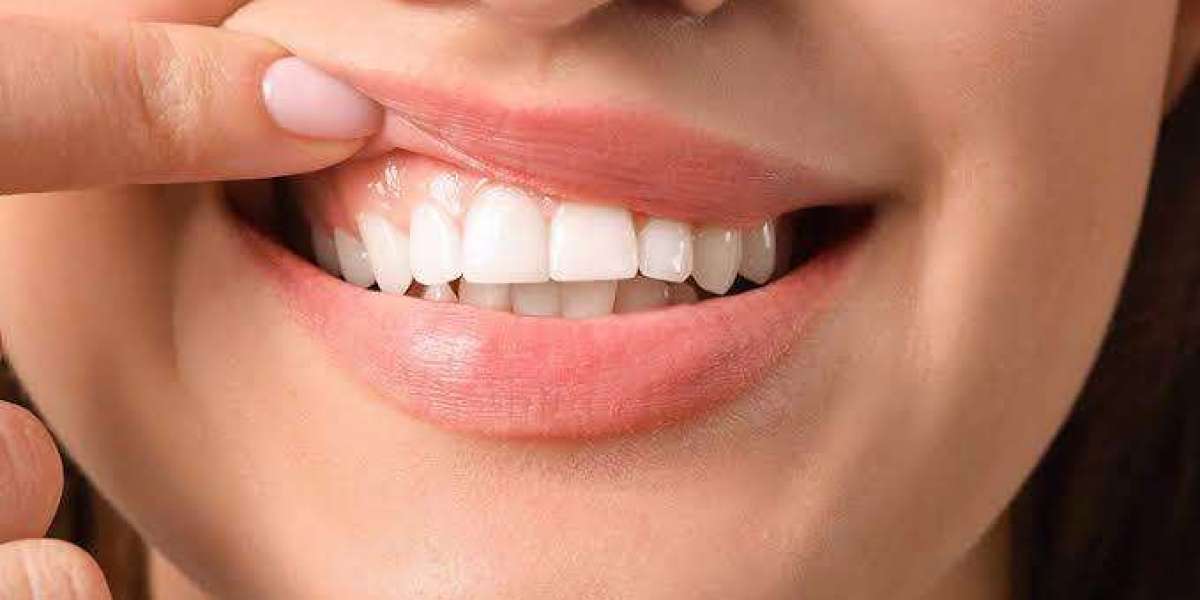
Healthy gums are the foundation of a beautiful smile and strong teeth. When gum tissue begins to recede, it exposes the roots of the teeth, increasing the risk of sensitivity, decay, and even tooth loss if left untreated. Periodontal Gum Grafting in Islamabad has become one of the most effective and reliable treatments for restoring receding gums and protecting long-term oral health. Modern periodontal procedures offer safe, minimally invasive solutions that not only improve the appearance of the smile but also strengthen the gums and prevent further recession.Gum recession is a common dental concern affecting people of all ages. While it often develops gradually, many patients fail to notice the early signs until significant gum tissue has already been lost. Fortunately, advances in periodontal care allow dentists to diagnose the condition early and recommend personalized treatment plans that restore gum health and improve overall dental function.
What Is Gum Recession?
Gum recession occurs when the gum tissue surrounding the teeth gradually pulls away or wears down, exposing the tooth roots. Unlike tooth enamel, the roots are not protected by a hard outer layer, making them more vulnerable to sensitivity, decay, and damage.As gum tissue recedes, small pockets may develop between the teeth and gums. These spaces can trap bacteria and plaque, increasing the likelihood of periodontal disease. Without proper treatment, gum recession may continue to progress, affecting both the appearance of the smile and the stability of the teeth.
Common Causes of Gum Recession
Several factors contribute to gum recession, and identifying the underlying cause is essential for selecting the most appropriate treatment. Periodontal disease remains one of the leading causes, as bacterial infections gradually destroy the tissues supporting the teeth. Poor oral hygiene can accelerate plaque buildup, leading to inflammation and gum deterioration.Aggressive tooth brushing is another common reason for gum recession. Using excessive force or a hard-bristled toothbrush can slowly wear away the delicate gum tissue. Genetics also play a significant role, with some individuals naturally having thinner gums that are more susceptible to recession.Other contributing factors include tobacco use, teeth grinding, hormonal changes, misaligned teeth, orthodontic issues, and traumatic injury to the gums.
Signs and Symptoms of Gum Recession
Gum recession usually develops slowly, making early detection particularly important. One of the first symptoms many people notice is increased tooth sensitivity, especially when consuming hot, cold, or sweet foods and beverages. Teeth may also appear longer than before due to the gradual loss of gum tissue.Additional symptoms may include visible tooth roots, bleeding gums, persistent bad breath, gum inflammation, loose teeth, and discomfort while brushing. In advanced cases, gum recession may significantly affect both chewing function and smile aesthetics.
Why Early Treatment Matters?
Ignoring gum recession can lead to serious oral health complications. As more of the tooth root becomes exposed, the risk of root decay increases because root surfaces are softer than enamel. Progressive gum loss can also weaken the supporting structures of the teeth, increasing the possibility of tooth mobility or eventual tooth loss.Early intervention helps preserve healthy gum tissue, reduce sensitivity, improve oral hygiene, and prevent costly restorative procedures in the future. Seeking professional periodontal care at the earliest signs of gum recession greatly improves treatment outcomes.
Treatment Options for Gum Recession
Professional Deep Cleaning
When gum recession is associated with early periodontal disease, scaling and root planing may be recommended. This deep cleaning procedure removes plaque, tartar, and bacteria from below the gum line while smoothing the tooth roots to encourage gum reattachment.Although deep cleaning cannot regenerate lost gum tissue, it effectively controls infection and prevents further deterioration.
Periodontal Gum Grafting
One of the most effective long-term solutions for moderate to severe gum recession is periodontal gum grafting. During this procedure, healthy tissue is carefully placed over the exposed tooth roots to restore the natural gum line.The graft tissue may be obtained from the patient's palate or from specially processed donor tissue, depending on the individual's needs. As healing occurs, the new tissue integrates with the existing gums, providing additional protection for the tooth roots while enhancing smile aesthetics.This treatment not only covers exposed roots but also reduces tooth sensitivity, improves gum thickness, and helps prevent future recession.
Types of Gum Grafting Procedures
Several types of gum grafts are available depending on the patient's clinical condition. Connective tissue grafts are among the most commonly performed procedures because they provide excellent aesthetic results and long-term stability.Free gingival grafts are often recommended for patients with naturally thin gum tissue, helping increase gum thickness and strengthen vulnerable areas.Pedicle grafts use healthy gum tissue located adjacent to the recession site, making them suitable for patients who have sufficient surrounding tissue.Your periodontist determines the most appropriate technique after a comprehensive examination.
Regenerative Periodontal Therapy
In situations where gum recession has resulted in bone loss, regenerative procedures may be recommended alongside gum grafting. Special membranes or biologically active materials encourage the body's natural healing process and promote the regeneration of lost supporting tissues.These advanced therapies help improve long-term tooth stability while supporting healthier gums.
Laser-Assisted Periodontal Treatment
Modern laser technology has transformed periodontal care by allowing dentists to remove infected tissue with greater precision and minimal discomfort. Laser-assisted treatment reduces bleeding, minimizes swelling, and often shortens recovery time.Although lasers cannot replace gum grafting when tissue loss is extensive, they are valuable in managing periodontal disease before or after surgical procedures.
Benefits of Periodontal Gum Grafting
Periodontal gum grafting provides numerous functional and cosmetic advantages. Covering exposed roots significantly reduces tooth sensitivity while protecting vulnerable root surfaces from decay and wear. Restoring the natural gum line also creates a healthier and more attractive smile.The procedure strengthens thin gum tissue, reducing the likelihood of future recession. Patients often experience greater comfort during eating and brushing while enjoying improved confidence in their smile.Perhaps most importantly, successful gum grafting supports long-term tooth preservation by reinforcing the tissues responsible for keeping teeth firmly in place.
Recovery After Gum Grafting
Recovery following periodontal gum grafting is generally straightforward when patients follow their dentist's instructions carefully. Mild swelling and temporary discomfort are common during the first few days but can usually be managed with prescribed medications.Patients are advised to consume soft foods while avoiding hard, crunchy, or spicy items that may irritate the surgical site. Gentle oral hygiene practices help maintain cleanliness without disturbing the healing tissue.Most individuals resume normal daily activities within a few days, while complete tissue healing continues over several weeks. Regular follow-up appointments allow the periodontist to monitor healing and ensure successful graft integration.
Preventing Future Gum Recession
Although treatment successfully restores damaged gums, maintaining long-term oral health requires consistent preventive care. Brushing gently with a soft-bristled toothbrush helps protect delicate gum tissue from further trauma. Daily flossing removes plaque between the teeth while reducing the risk of periodontal disease.Routine dental checkups and professional cleanings remain essential for detecting early signs of gum problems before they become severe. Patients who grind their teeth may benefit from wearing a custom nightguard to minimize excessive pressure on the gums and teeth.Maintaining a balanced diet, avoiding tobacco products, and managing systemic health conditions also contribute to healthier gums over time.
Choosing the Right Periodontist
Selecting an experienced periodontist plays a vital role in achieving successful treatment outcomes. Modern periodontal specialists use advanced diagnostic technology to determine the exact cause of gum recession and develop personalized treatment plans.Comprehensive evaluations consider gum health, bone support, bite alignment, and overall oral condition before recommending the most suitable procedure. Patients benefit from individualized care designed to restore both function and aesthetics while ensuring long-lasting results.
Frequently Asked Questions
Is gum grafting painful?
The procedure is performed under local anesthesia, making it comfortable for most patients. Mild soreness during recovery is normal and typically manageable with prescribed medications.
How long does gum grafting last?
With proper oral hygiene and regular dental care, gum grafting results can last for many years and often provide permanent protection for the treated areas.
Can gum recession grow back naturally?
Unfortunately, lost gum tissue does not regenerate naturally. Professional periodontal treatment is required to restore receded gums.
Who is a suitable candidate for gum grafting?
Individuals with exposed tooth roots, moderate to severe gum recession, tooth sensitivity, or thin gum tissue are often good candidates after a professional periodontal evaluation.
How long is the recovery period?
Most patients recover comfortably within one to two weeks, although complete healing and tissue maturation continue for several weeks.
Conclusion
Gum recession is more than a cosmetic concern—it can compromise oral health, increase tooth sensitivity, and eventually threaten the stability of your teeth if left untreated. Early diagnosis and timely intervention are essential to preserving healthy gums and preventing further damage. Periodontal Gum Grafting in Islamabad offers a proven, effective solution for restoring lost gum tissue, protecting exposed roots, and enhancing the appearance of your smile. Combined with good oral hygiene, routine dental visits, and personalized periodontal care, gum grafting can deliver long-lasting results that improve both dental function and confidence. If you have noticed signs of receding gums, consulting a qualified periodontist is the first step toward achieving healthier gums and a stronger, more attractive smile.