
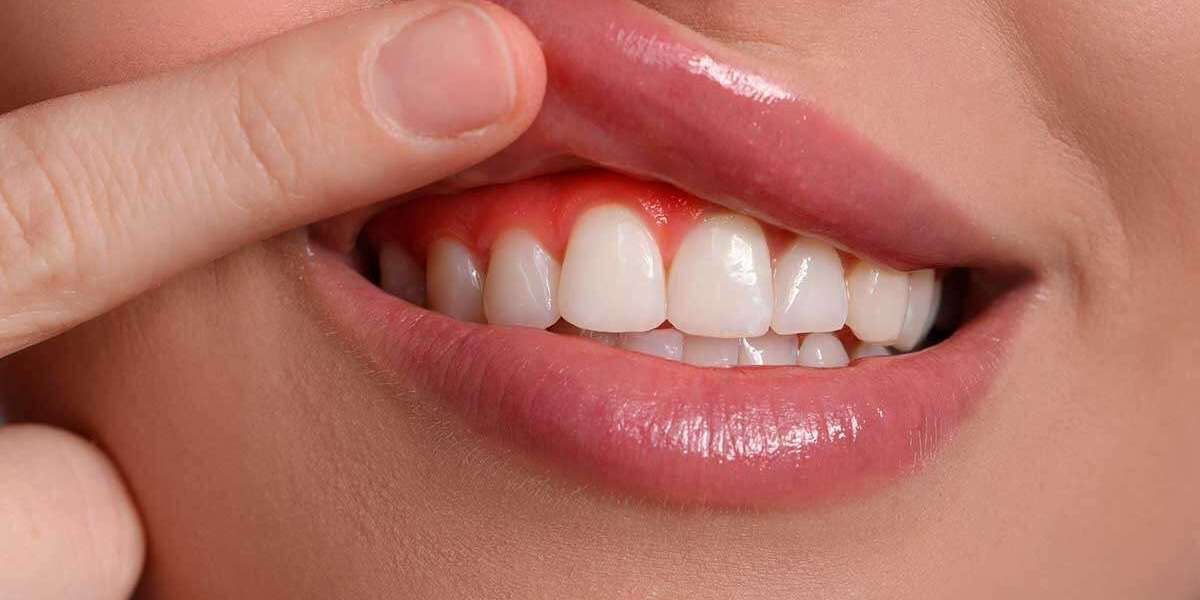
Healthy gums are essential for maintaining strong teeth and a confident smile. When the gum tissue begins to pull away from the teeth, it exposes the tooth roots and creates spaces where bacteria can accumulate. Gum Recession Treatment in Islamabad has become an increasingly sought-after solution for individuals experiencing this common dental condition. Understanding the causes, symptoms, and available treatment options can help patients take timely action and prevent further oral health complications.
What Is Gum Recession?
Gum recession is a dental condition in which the gum tissue surrounding the teeth gradually wears away or pulls back, exposing more of the tooth or even its root. Unlike cavities that affect the hard structure of the tooth, gum recession impacts the soft tissues that provide support and protection. As the roots become exposed, the teeth may become more sensitive and vulnerable to decay, infection, and even tooth loss if left untreated.Although gum recession develops slowly over time, many people do not notice it during its early stages because the changes occur gradually. Regular dental checkups are essential for identifying the condition before it progresses into a more serious problem. Early diagnosis allows dentists to recommend appropriate treatment methods that preserve the gums and protect the teeth.
Understanding the Causes of Receding Gums
Several factors can contribute to gum recession, and in many cases, more than one cause is involved. One of the leading reasons is periodontal disease, commonly known as gum disease. This bacterial infection damages the supporting tissues and bone around the teeth, causing the gums to pull away over time.ggressive tooth brushing is another common cause. Many individuals believe that brushing harder leads to cleaner teeth, but excessive pressure can gradually wear down the gum tissue and enamel. Using a toothbrush with hard bristles can further increase the risk of gum recession.Poor oral hygiene also plays a significant role. Plaque that is not removed regularly hardens into tartar, creating an environment where bacteria thrive. As inflammation develops, the gums begin to detach from the teeth, leading to recession.Genetics may also influence the likelihood of developing receding gums. Some individuals naturally have thinner or more delicate gum tissue, making them more susceptible to recession even with good oral hygiene practices.Hormonal fluctuations experienced during pregnancy, menopause, or puberty can increase gum sensitivity and make the tissues more vulnerable to inflammation and recession. Likewise, tobacco use significantly increases the risk by reducing blood flow tothe gums and impairing the body's ability to heal.Misaligned teeth or an improper bite may place excessive force on certain teeth during chewing. This repeated pressure can gradually contribute to gum recession. Teeth grinding and jaw clenching also place unnecessary stress on the supporting structures, accelerating gum tissue loss over time.
Common Symptoms of Gum Recession
One of the earliest signs of gum recession is increased tooth sensitivity. Patients may notice discomfort when consuming hot beverages, cold drinks, sweet foods, or acidic items because the exposed tooth roots are more sensitive than the enamel-covered crown.Another noticeable symptom is that the teeth appear longer than before. Since the gums have receded, more of the tooth becomes visible, giving the illusion of elongated teeth. This change often affects the appearance of the smile and may reduce self-confidence.Patients may also observe small gaps developing between the gums and teeth. These pockets allow food particles and bacteria to accumulate, increasing the likelihood of infection and further gum damage.Bleeding gums during brushing or flossing can also indicate underlying gum disease associated with recession. Swollen, tender, or red gums should never be ignored, as they often signal inflammation that requires professional evaluation.Persistent bad breath and an unpleasant taste in the mouth may accompany advanced gum disease. In severe cases, teeth may become loose because the supporting tissues and bone have been compromised.
Why Gum Recession Should Never Be Ignored?
Many people mistakenly assume that receding gums are only a cosmetic concern. However, the condition has significant implications for oral health. As gum tissue recedes, the protective covering over the tooth roots disappears, making the roots more susceptible to decay and erosion.The exposed roots are softer than enamel and wear down more quickly. This can lead to root cavities, severe sensitivity, and increased discomfort during eating or drinking. As recession progresses, the supporting bone around the teeth may also deteriorate.Untreated gum recession increases the risk of advanced periodontal disease, which is one of the leading causes of tooth loss in adults. The infection can destroy the bone supporting the teeth, making it difficult to save them without extensive treatment.Beyond oral health, research has shown that chronic gum disease may be associated with systemic conditions such as cardiovascular disease, diabetes, and certain inflammatory disorders. Maintaining healthy gums contributes not only to a healthy smile but also to overall well-being.
How Dentists Diagnose Gum Recession?
A comprehensive dental examination is necessary to determine the severity of gum recession. During the examination, the dentist carefully measures the depth of the gum pockets surrounding each tooth using a specialized periodontal probe. These measurements help determine whether gum disease is present and how much supporting tissue has been lost.Dental X-rays may also be recommended to evaluate the condition of the underlying bone. Imaging helps identify bone loss that cannot be seen during a visual examination and assists in developing a personalized treatment plan.The dentist will also assess contributing factors such as brushing habits, bite alignment, teeth grinding, and existing restorations that may influence gum health.
Available Treatment Options
The choice of treatment depends on the underlying cause and the severity of the gum recession. In mild cases, improving oralhygiene practices and adopting proper brushing techniques may be sufficient to prevent further progression.Professional dental cleaning is often the first step in treatment. Removing plaque and tartar reduces bacterial accumulation and allows inflamed gums to heal. Scaling and root planing, commonly known as deep cleaning, smooths the root surfaces and removes bacteria below the gum line, encouraging the gums to reattach to the teeth.Gum grafting is one of the most effective surgical treatments for significant gum recession. During this procedure, healthy tissue is typically taken from another area of the mouth or obtained from donor material and carefully placed over the exposed root surfaces. Over time, the graft integrates with the surrounding tissues, providing improved coverage and enhanced protection.Pinhole Surgical Technique is another minimally invasive option available in selected cases. This procedure involves creating a tiny opening in the gum tissue through which the gums are gently repositioned over the exposed roots without the need for traditional grafting. Patients often experience less discomfort and faster recovery compared to conventional surgery.aser-assisted periodontal therapy has also become increasingly popular due to its precision and reduced healing time. Laser technology helps eliminate bacteria while preserving healthy tissue and promoting natural healing.When teeth grinding contributes to gum recession, dentists may recommend wearing a custom-made night guard to reduce excessive pressure on the gums and teeth during sleep.
Preventing Gum Recession
Preventing gum recession requires consistent oral care and healthy daily habits. Brushing twice a day with a soft-bristled toothbrush using gentle circular motions helps remove plaque without damaging the gums. Fluoride toothpaste supports enamel protection while maintaining oral health.Daily flossing removes plaque and food debris from areas that toothbrushes cannot reach. Antibacterial mouthwash may further reduce bacterial growth and lower the risk of gum inflammation.Routine dental examinations and professional cleanings every six months allow dentists to detect early signs of gum disease before significant damage occurs. Patients with a history of periodontal disease may require more frequent maintenance visits.Avoiding tobacco products significantly improves gum health by enhancing blood circulation and supporting tissue healing. Maintaining a balanced diet rich in vitamins, particularly vitamin C, also contributes to healthier gums and stronger connective tissues.Managing stress can help reduce teeth grinding and jaw clenching, protecting both the gums and supporting bone from unnecessary strain.
The Importance of Early Treatment
Early intervention offers the best opportunity to preserve healthy gum tissue and avoid extensive surgical procedures. Patients who seek professional care at the first signs of gum recession often experience better outcomes, reduced discomfort, and lower treatment costs.Advancements in periodontal care have made modern treatments more comfortable, effective, and minimally invasive than ever before. With proper diagnosis and personalized care, many patients can successfully halt the progression of gum recession and maintain their natural teeth for many years.
Conclusion
Receding gums are a progressive dental condition that should never be overlooked. Whether caused by gum disease, aggressive brushing, genetics, tobacco use, or bite problems, gum recession can significantly affect both oral health and overall quality of life if left untreated. Recognizing early symptoms such as tooth sensitivity, longer-looking teeth, bleeding gums, and exposed roots allows patients to seek timely professional care before irreversible damage occurs.