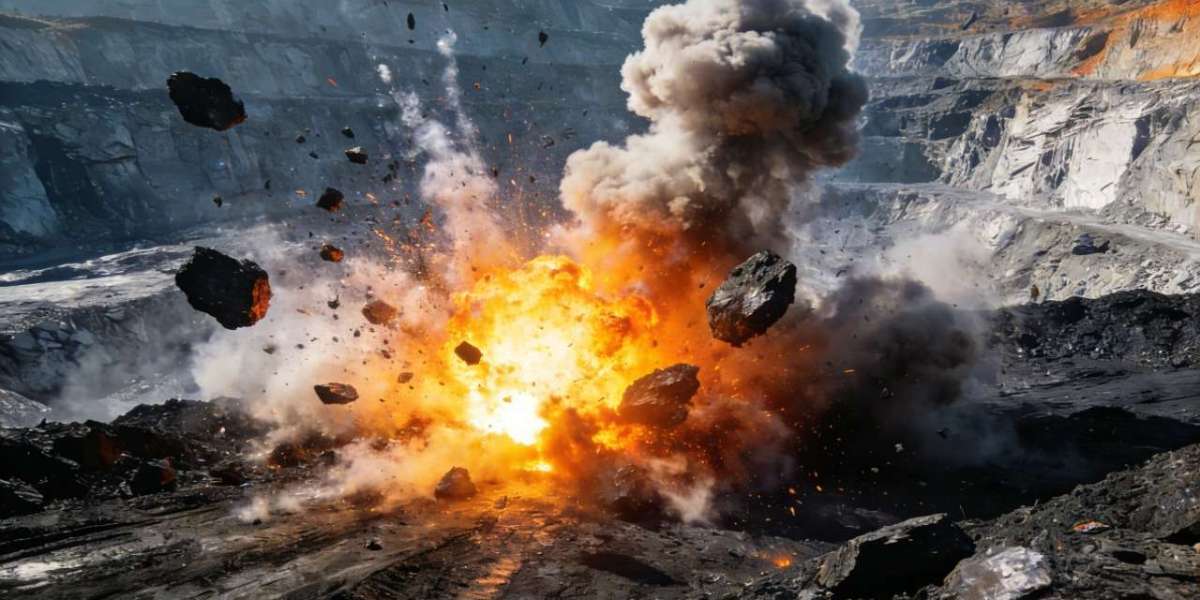
In the world of mining, tunneling, and quarrying, cartridge emulsion explosives are widely valued for their reliability, efficiency, and ease of use. However, even the most trusted explosives can fail if certain factors are overlooked. Failures can lead to misfires, reduced rock fragmentation, or operational delays, all of which increase project costs and safety risks. Understanding why cartridge emulsion explosives may fail—and how to prevent these failures—is crucial for any blasting operation.
1. Improper Storage Conditions
One of the most common causes of failure is incorrect storage. Cartridge emulsion explosives are sensitive to environmental conditions:
Temperature extremes: Excessive heat or cold can affect the explosive’s stability.
Humidity and moisture: Exposure to water can reduce sensitivity and detonation efficiency.
Physical damage: Stacking cartridges incorrectly may cause casing deformation or damage.
How to avoid it: Store explosives in temperature-controlled, dry warehouses with proper ventilation. Follow manufacturer guidelines for stacking and handling to preserve cartridge integrity.
2. Incorrect Handling Practices
Even stable explosives can fail if mishandled during transportation or loading:
Dropping or striking cartridges may compromise the internal emulsion.
Mixing with incompatible materials can reduce sensitivity or stability.
Improper priming or detonator connections can result in misfires.
How to avoid it: Train staff on proper handling techniques, always use compatible detonators, and avoid any rough handling during loading, transport, or placement.
3. Environmental Challenges on Site
Cartridge emulsion explosives may underperform if the blasting environment is not properly considered:
Wet or water-filled blast holes can dilute or compromise the explosive.
Fractured or loose rock may reduce confinement, lowering detonation efficiency.
Extreme temperatures on-site may affect performance temporarily.
How to avoid it: Use water-resistant cartridges when necessary, pre-inspect blast holes, and select cartridges with proven performance under site-specific conditions.
4. Using the Wrong Cartridge Size or Type
Choosing the wrong cartridge type or diameter can lead to incomplete rock breakage or misfires:
Too small for the blast hole: Reduces energy transfer, leaving unbroken rock.
Too large or incompatible: May cause difficulties in placement or overpressure.
How to avoid it: Match cartridge size and type to your blast hole diameter and desired fragmentation. Consult technical guides or supplier recommendations to ensure proper selection.
5. Poor Quality or Unverified Supply
Sometimes failure is not in the handling but in the product itself. Issues may arise from:
Batch inconsistencies in manufacturing.
Expired or improperly stored cartridges before delivery.
Unverified or non-certified suppliers.
How to avoid it: Source cartridge emulsion explosives from reputable manufacturers, check certification and batch quality, and always verify shelf life and storage history before use.
6. Lack of Proper Training and Supervision
Even with high-quality, properly stored explosives, human error remains a significant risk:
Incorrect detonation sequences
Failure to follow safety protocols
Misinterpretation of handling instructions
How to avoid it: Provide regular training for blasting teams, enforce strict safety procedures, and supervise all critical operations. Knowledgeable staff are the most effective safeguard against failure.
Conclusion
Failures in cartridge emulsion explosives are rarely due to a single factor. Most issues stem from a combination of storage mistakes, handling errors, environmental challenges, wrong selection, or low-quality supply. By understanding these potential pitfalls and taking proactive measures—such as proper storage, careful handling, correct cartridge selection, verified suppliers, and staff training—you can significantly reduce the risk of explosive failure, improve operational efficiency, and ensure a safer blasting environment.
Remember, prevention is always more effective than troubleshooting misfires after the fact.