
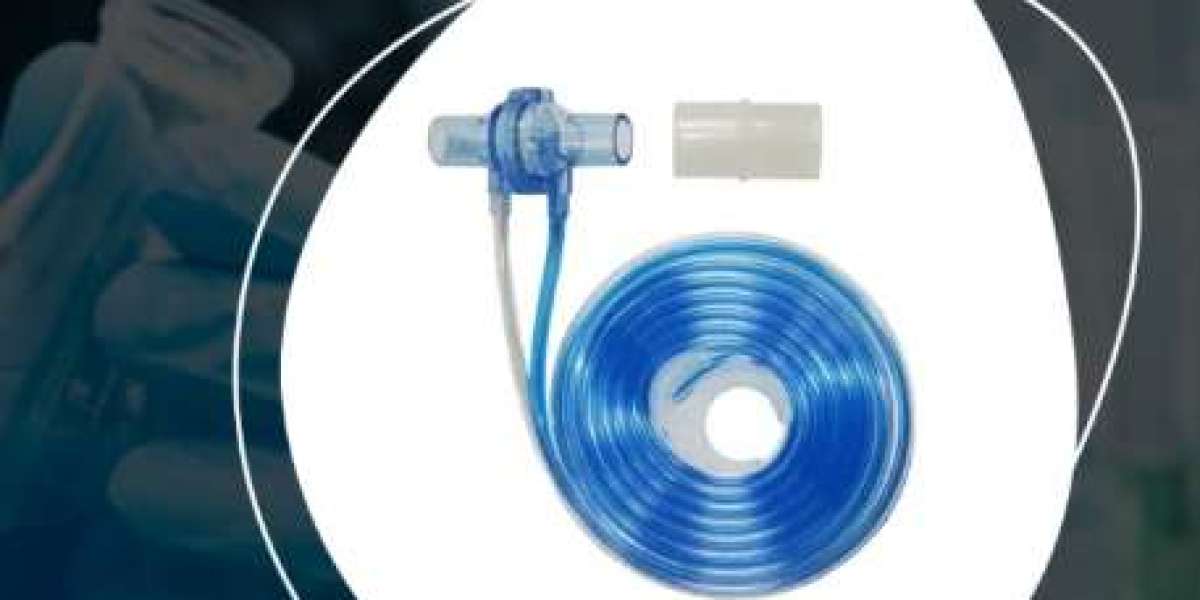
Delivering aerosolized medication to a mechanically ventilated patient is a more complex task than treating someone breathing on their own, because the ventilator circuit, the artificial airway, and the gas itself all shape how much drug reaches the lungs. Clinicians treating bronchospasm and other airway conditions in these patients face a recurring question, which is whether to give medication in scheduled bursts or as a steady, uninterrupted flow. A Nebulizer can support either approach, yet the two strategies behave differently inside a ventilator circuit and suit different clinical situations. Understanding how continuous and intermittent delivery work, and what drives their effectiveness, helps respiratory teams match the method to the patient rather than defaulting to habit.
How Aerosol Delivery Changes During Mechanical Ventilation
Aerosol therapy behaves differently in a ventilated patient because the medication must travel through an artificial circuit and a narrow endotracheal tube before reaching the airways. A substantial fraction of the drug can deposit on the tubing, connectors, and tube walls along the way, so the dose leaving the device is rarely the dose that reaches the lungs. This loss makes delivery efficiency a central concern rather than an afterthought.
Several mechanical factors influence how much aerosol arrives at the target. Heated humidification, which keeps the airway moist, also causes aerosol particles to grow and settle in the circuit, reducing delivery. Tube diameter matters as well, since smaller tubes capture more of the passing aerosol. Ventilator settings such as tidal volume, inspiratory time, and bias flow further shape deposition.
Because of these losses, the same medication often requires different handling on a ventilator than at the bedside of a spontaneously breathing patient. Clinicians account for circuit design, device placement, and timing with the breath to improve delivery. This mechanical reality determines the choice of continuous versus intermittent strategies, both of which interact differently with the circuit and have different consequences for the reliability of medication reaching the lungs.
How Intermittent Nebulizer Therapy Works in Ventilated Patients
With intermittent delivery, medication is given in separate treatments, either on a schedule or as symptoms call for it, much like a familiar bronchodilator dose. A set amount of drug is nebulized over a few minutes, the treatment finishes, and the next one comes after a planned interval or when the patient needs it. Dosing stays easy to control this way, and the care team can see clearly how much medication a patient has actually received.
For many patients, that control is exactly what makes the approach work well. Treating in distinct doses lets clinicians adjust therapy as the patient's airways respond, keep total drug exposure in check, and watch for side effects in the windows between treatments. Routine bronchodilator maintenance and milder airway conditions usually call for this pattern, since running medication continuously would pile on drug exposure the patient does not clinically need.
Intermittent therapy does have limitations worth weighing. Gaps between doses may result in loss of bronchodilation before the next dose, which may be inadequate for severe, persistent bronchospasm. Each treatment also requires attention from staff, and older setups that interrupt the circuit to add a device can introduce moments of instability. In-line devices that stay within the circuit reduce that disruption while preserving the controlled, dose-by-dose character of intermittent delivery.
How Continuous Nebulizer Therapy Works in Ventilated Patients
Continuous delivery nebulizes medication steadily over an extended period, maintaining a sustained presence of the drug in the airways rather than delivering it in separate treatments. This approach is most often reserved for severe bronchospasm, such as status asthmaticus or a serious obstructive exacerbation, when intermittent dosing has failed to control symptoms or when the patient needs uninterrupted bronchodilation.
The main benefit is continuity. Sustained delivery avoids the dips that occur between intermittent doses, which can matter when airways are severely constricted, and any lapse in bronchodilation risks deterioration. Continuous therapy also reduces the repeated manipulation that comes with frequent separate treatments, which can be valuable in unstable patients who tolerate handling poorly.
There are tradeoffs to these benefits that need to be monitored. A continuously running Nebulizer will deliver a larger total dose over time, which increases the likelihood of systemic effects from bronchodilators, including increased heart rate, tremor, and shifts in potassium. Continuous therapy, therefore, calls for closer observation of cardiac status and electrolytes. The method also depends on a device built to maintain stable, prolonged output without frequent refilling or interruption, since reliability over hours is what makes the continuous strategy clinically useful in the first place.
Continuous vs Intermittent Delivery: Which Produces Better Results?
No single answer fits every ventilated patient, because the better method depends on the severity of the airway problem and the goal of treatment. The two strategies are best understood as tools matched to different clinical situations rather than as competitors where one always wins.
Intermittent delivery tends to suit:
- Routine bronchodilator maintenance during ventilation
- Milder or stable airway conditions
- Situations where limiting total drug exposure and titrating carefully is a priority
- Patients in whom side effects from higher cumulative dosing are a concern
Continuous delivery tends to suit:
- Severe bronchospasm refractory to intermittent dosing
- Status asthmaticus and serious obstructive exacerbations
- Cases where sustained, uninterrupted bronchodilation is the goal
- Unstable patients who tolerate repeated handling poorly
Many units begin with intermittent therapy and escalate to continuous delivery when severe obstruction does not respond. The decision rests on clinical judgment, ongoing assessment of airway resistance and gas exchange, and monitoring for adverse effects. Effectiveness ultimately depends as much on delivery technique and device performance as on the timing strategy, which is why method selection works best alongside attention to how aerosol actually reaches the lungs.
Factors That Influence Nebulizer Effectiveness on a Ventilator
Whichever timing strategy a team chooses, several variables determine how much medication reaches the airways, and overlooking them can undermine even a well-selected approach. Optimizing these factors often improves results more than switching between continuous and intermittent delivery alone.
Key influences on delivery include:
- Device type and quality. Jet, mesh, and ultrasonic devices differ in particle size and output consistency, which affects deposition.
- Placement in the circuit. Position relative to the patient and the humidifier changes how much aerosol survives the journey to the lungs.
- Heated, humidified circuits cause particles to grow and settle, lowering delivery unless accounted for.
- Ventilator settings. Tidal volume, inspiratory time, and bias flow shape how aerosol moves through the circuit.
- Airway and tube size. Narrow tubes capture more aerosol before it reaches the airways.
- Synchronization with inspiration. Delivering aerosol during the inspiratory phase improves the fraction reaching the lungs.
A Nebulizer that produces a consistent particle size and stable output gives clinicians a dependable foundation, and pairing it with thoughtful circuit setup and ventilator coordination helps ensure the chosen delivery strategy performs as intended throughout treatment.
How Heliox and Device Design Affect Aerosol Delivery
The gas a patient breathes can change how well aerosol moves through narrowed airways, and heliox shows this most clearly. Because a helium and oxygen blend is lighter than the usual gas mixture, it flows with less turbulence and meets less resistance along the way. When airways are badly obstructed, that smoother flow can carry aerosol particles further into the lungs and lay down medication in places where ordinary gas would struggle to reach.
Getting that benefit comes down to whether the device can handle heliox in the first place, because the lighter gas changes how flow behaves, and some setups manage it poorly. A device built with heliox in mind keeps its aerosol output steady while making the most of the gas's easier flow. When the device cannot accommodate it, the shift in gas density can throw off nebulization and cancel out the very advantage heliox was meant to provide.
Device design influences delivery in broader ways, too. Stable output over time, consistent particle size, reliable performance during continuous use, and integration that keeps the circuit intact all shape how effectively medication reaches the lungs. For continuous therapy in particular, a device must sustain dependable output for hours without frequent interruption. Matching device capabilities to the clinical goal, including the option to use heliox in severe obstruction, helps respiratory teams get the most from aerosol therapy in ventilated patients.
How B&B Medical Technologies Supports Aerosol Delivery in Critical Care
Effective aerosol therapy on a ventilator depends on a device that performs consistently under demanding conditions, and B&B Medical Technologies has focused much of its respiratory work on exactly that reliability. The company approaches nebulization as a delivery problem shaped by the circuit, the gas, and the duration of therapy, designing for the sustained, dependable output that continuous treatment of severe airway obstruction requires.
That design philosophy reflects the clinical realities respiratory teams manage daily. Continuous therapy for serious bronchospasm calls for stable performance over hours, and obstructed airways can benefit from heliox when a device is built to accommodate it. B&B Medical Technologies develops its aerosol-delivery solutions with these needs in mind, supporting clinicians who require steady particle output, compatibility with the gases used in critical care, and integration that keeps the ventilator circuit stable during prolonged treatment. The goal is a dependable foundation for aerosol therapy, so the chosen delivery strategy can perform reliably when patients need it most.
Frequently Asked Questions
What is the difference between continuous and intermittent nebulizer therapy?
It really comes down to timing. Intermittent therapy gives medication in separate treatments, either on a schedule or when symptoms call for it, while continuous therapy keeps a steady stream of medication going over a longer stretch. Intermittent dosing makes it easier to titrate carefully and hold down total drug exposure, and continuous dosing keeps bronchodilation going without gaps when obstruction is severe.
Which delivery method works better for ventilated patients?
Neither one wins across the board. Intermittent therapy fits routine maintenance and milder airway problems, while continuous therapy is usually reserved for severe bronchospasm that has not responded to intermittent dosing. What works best depends on how severe the obstruction is, what the team is trying to achieve, and how the patient responds along the way.
Why does mechanical ventilation reduce nebulizer effectiveness?
The medication has to travel through the ventilator circuit and a narrow endotracheal tube before it ever reaches the airways, and a good deal of it settles out along the route. Humidification, the size of the tube, and the ventilator settings all affect how much aerosol actually makes it to the lungs.
Does continuous nebulizer therapy carry more risk?
It can, because a continuous setup delivers more drug overall. That larger cumulative dose makes systemic effects from bronchodilators more likely, including a faster heart rate, tremor, and shifts in potassium, so these patients need closer monitoring of cardiac status and electrolytes.
How does heliox affect aerosol delivery?
Heliox is lighter than the usual gas mixture, so it moves with less turbulence and less resistance. In obstructed airways, that easier flow can help carry aerosol deeper into the lungs, as long as the device is built to work with heliox in the first place.
What factors improve nebulizer delivery on a ventilator?
Several things make a difference at once: the type of device and how consistent its output is, where it sits in the circuit, how humidification is managed, the ventilator settings, the size of the tube, and timing the aerosol with the patient's own inhalation. Paying attention to each one helps more medication reach the airways.