Healthcare facilities are increasingly adopting digital technologies to improve patient care, streamline workflows, and enhance operational efficiency. From hospitals and clinics to laboratories and diagnostic centers, reliable computing solutions have become essential components of modern healthcare infrastructure.
One technology gaining significant attention is the Healthcare Panel PC. Designed specifically for medical environments, these systems offer durability, hygiene-friendly designs, touchscreen functionality, and high-performance computing capabilities that support a wide range of clinical applications.
If your organization is planning to invest in a healthcare panel PC, this guide will help you understand the key features, benefits, and factors to consider before making a purchasing decision.
Why Healthcare Facilities Need Specialized Panel PCs
Unlike conventional desktop computers, healthcare panel PCs are engineered to meet the unique requirements of medical environments.
Healthcare professionals require systems that provide:
✔ Reliable 24/7 operation
✔ Easy cleaning and disinfection
✔ High-quality visual performance
✔ Responsive touchscreen interfaces
✔ Integration with healthcare systems
✔ Enhanced safety and compliance
✔ Long-term operational stability
Medical environments demand equipment capable of delivering consistent performance while supporting patient care and clinical workflows.
What is a Healthcare Panel PC?
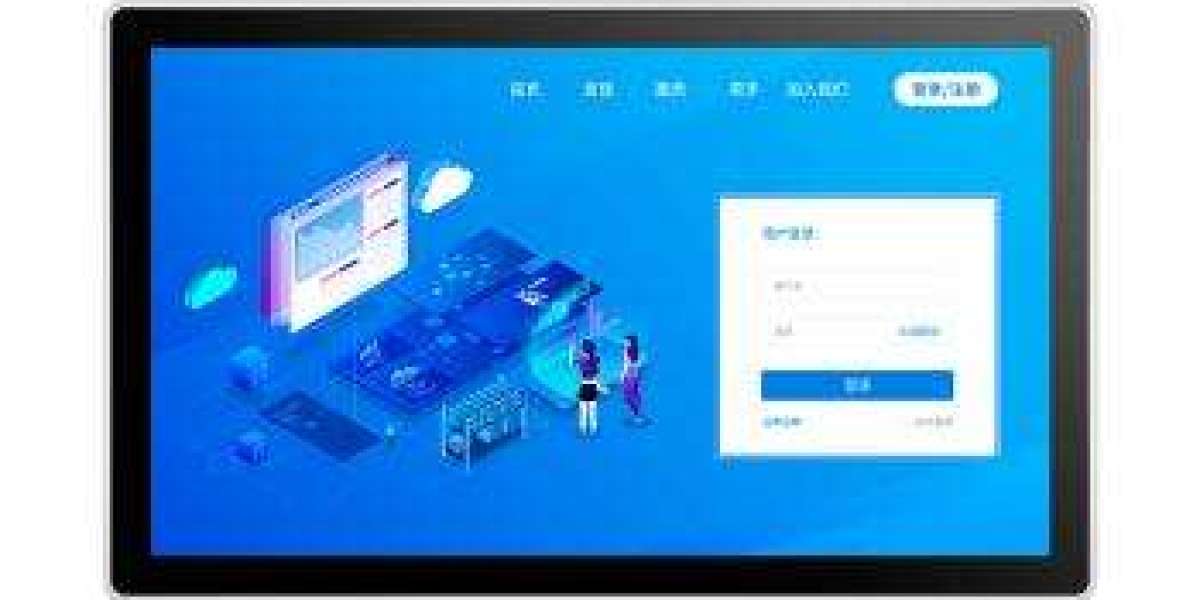
A healthcare panel PC is an all-in-one computing device that combines a high-resolution display, touchscreen technology, and industrial-grade hardware into a compact, medical-ready solution.
These systems are commonly used in:
- Hospitals
- Intensive Care Units (ICU)
- Operating Rooms
- Diagnostic Laboratories
- Imaging Centers
- Patient Monitoring Stations
- Nursing Stations
- Telemedicine Applications
Their compact design helps save valuable space while improving accessibility for healthcare professionals.
Key Features to Consider Before Buying
Medical-Grade Design
Healthcare environments require equipment designed with hygiene and safety in mind.
Look for:
- Smooth, easy-to-clean surfaces
- Antimicrobial housing options
- Sealed front panels
- Fanless cooling systems
- Dust-resistant designs
These features reduce contamination risks and simplify cleaning procedures.
Display Quality
Clear and accurate image representation is critical in healthcare settings.
Important considerations include:
- Full HD resolution
- Wide viewing angles
- High brightness
- Anti-glare coating
- Color accuracy
Applications such as radiology, diagnostics, and patient monitoring particularly benefit from high-quality displays.
Capacitive Touchscreen Technology
Projected capacitive touchscreens provide a modern and responsive user experience.
Advantages include:
✔ Multi-touch functionality
✔ Fast response times
✔ Improved durability
✔ Better sensitivity
✔ Support for glove operation
Touchscreen capability enhances workflow efficiency and improves interaction with healthcare software applications.
Fanless Architecture
Medical environments prioritize quiet operation and cleanliness.
Fanless systems offer:
- Reduced noise levels
- Lower maintenance requirements
- Improved reliability
- Minimized dust accumulation
For hospitals operating around the clock, fanless technology can significantly improve system longevity.
Processing Performance
Healthcare applications often require substantial computing power.
Choose systems equipped with processors suitable for your workload, such as:
- Intel® Celeron®
- Intel® Core™ i3
- Intel® Core™ i5
- Intel® Core™ i7
Higher-performance processors are ideal for imaging systems, diagnostics, and advanced clinical applications.
Connectivity Requirements
Modern healthcare systems rely heavily on interoperability.
Healthcare panel PCs should support:
- Gigabit Ethernet
- USB interfaces
- Wi-Fi connectivity
- Bluetooth
- Serial ports
- HDMI outputs
- Expansion capabilities
These features enable seamless integration with:
- Electronic Health Record (EHR) systems
- Hospital Information Systems (HIS)
- Medical devices
- Patient monitoring platforms
- Diagnostic equipment
Certifications and Compliance
Compliance is a crucial consideration when selecting medical hardware.
Depending on the application, healthcare facilities may require:
- IEC 60601 certification
- EMC compliance
- Medical safety approvals
- IP-rated protection
- ESD protection
Certified equipment helps ensure patient safety and regulatory compliance.
Applications of Healthcare Panel PCs
Patient Monitoring
Healthcare panel PCs allow clinicians to monitor patient data in real time, improving response times and clinical decision-making.
Diagnostic Imaging
Radiology departments rely on high-resolution displays for reviewing medical images accurately.
Operating Rooms
Healthcare panel PCs provide surgeons and staff with access to patient information, imaging systems, and surgical applications.
Telemedicine
Remote healthcare services continue to expand.
Panel PCs facilitate:
- Virtual consultations
- Remote patient monitoring
- Healthcare collaboration
- Secure data access
Laboratory Automation
Laboratories use healthcare panel PCs for:
- Sample tracking
- Test result management
- Equipment control
- Data analysis
Benefits of Investing in a Healthcare Panel PC
Healthcare organizations that invest in medical-grade panel PCs can expect significant operational advantages.
Improved Clinical Efficiency
Healthcare professionals gain faster access to patient records, diagnostic tools, and treatment information.
Enhanced Patient Care
Reliable computing systems support quicker decisions and better treatment outcomes.
Increased Reliability
Medical-grade hardware is designed for continuous use, reducing system failures and downtime.
Better Hygiene Standards
Fanless and sealed designs simplify cleaning procedures and support infection control initiatives.
Reduced Total Cost of Ownership
Durable healthcare panel PCs often offer:
✔ Longer product lifespan
✔ Lower maintenance expenses
✔ Reduced replacement costs
✔ Better long-term return on investment
Questions to Ask Before Purchasing
Before making a decision, healthcare facilities should consider:
- Will the system operate continuously?
- Does it meet medical safety requirements?
- Is touchscreen functionality necessary?
- Will it integrate with existing healthcare systems?
- Is the display suitable for clinical applications?
- Can it withstand frequent cleaning and disinfecting?
- Is long-term product availability guaranteed?
Answering these questions helps ensure the selected solution aligns with operational and clinical requirements.
Choosing the Right Supplier
Beyond technical specifications, selecting an experienced supplier is equally important.
Look for providers offering:
✔ Healthcare expertise
✔ Product customization
✔ Long-term support
✔ Medical certifications
✔ Integration assistance
✔ Extended lifecycle products
Partnering with a knowledgeable supplier can simplify deployment and maximize the value of your investment.
Conclusion
Healthcare facilities are under constant pressure to improve patient outcomes while maintaining operational efficiency. Investing in a Healthcare Panel PC is a strategic decision that supports digital healthcare initiatives, streamlines workflows, and enhances clinical performance.
Whether you are upgrading existing systems, implementing smart hospital technologies, or expanding telemedicine capabilities, choosing the right healthcare panel PC ensures reliability, compliance, and long-term value.
By carefully evaluating performance, display quality, certifications, connectivity, and hygiene requirements, medical facilities can confidently select a solution that meets today's demands and supports future healthcare innovations.
Read More: https://tecsysproductguides.blogspot.com/2026/07/healthcare-panel-pc-buying-guide.html