To sell and buy a home at the same time sounds straightforward until you are in Seattle's market trying to do it.
You’ve outgrown the space, the neighborhood no longer fits, or life simply moved on. You know what you want in the next home and roughly what you can spend. Then the reality of two simultaneous transactions sets in.
The proceeds from your current home fund the next purchase. But you cannot make a strong offer on a new home until you know what your current one will sell for. And you cannot sell without somewhere to go. Most buyers try to thread that needle with a contingent offer, a condition that ties the new purchase to the sale of the existing home. It sounds like a reasonable safeguard.
In Seattle's market, it is not. A home sale contingency tells the seller their deal depends on a transaction they have no visibility into and no control over. In a market where strong homes draw multiple offers, that condition alone is enough to get your offer passed over, regardless of the price.
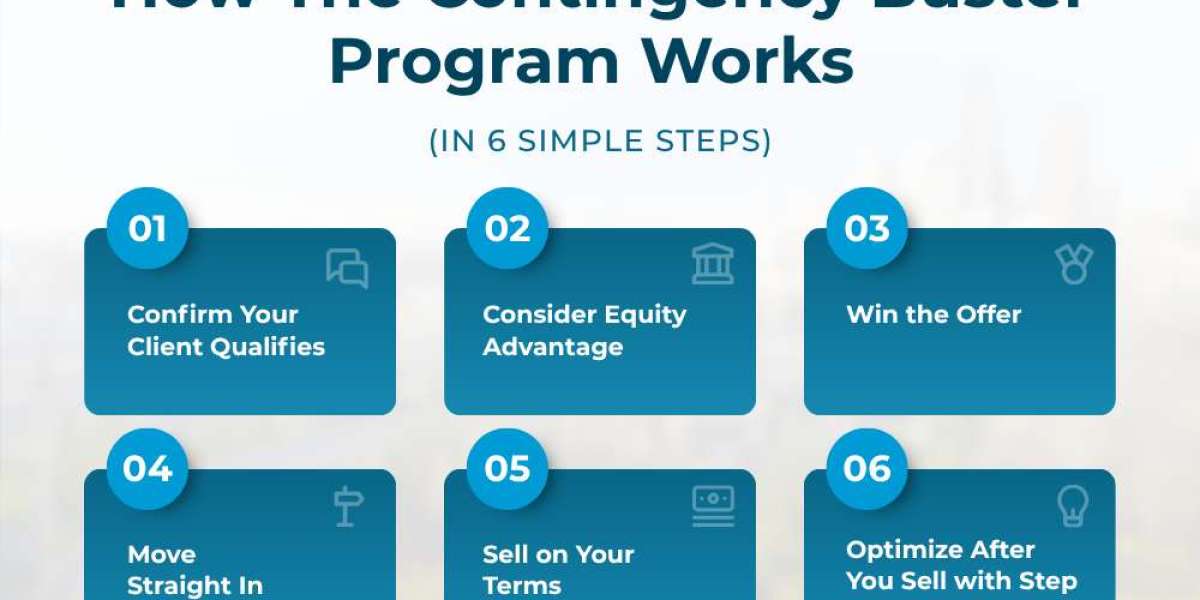
This guide covers a seven-step sequence that removes that problem before you ever make an offer. It starts with confirming your home equity position and ends with your sale proceeds going back to work on your new mortgage. Every step in between is designed to keep your budget intact, your qualification clean, and your offer competitive from the start.
What a Home Sale Contingency Costs Seattle Buyers

A contingent offer is a purchase offer that includes a condition. The most common version is the home sale contingency, which tells the seller that the buyer's purchase depends on the seller's current home selling first. This approach is often used by homeowners who want to sell and buy home at same time. For the buyer, it feels like a reasonable safeguard. For the seller, it means their sale is tied to a transaction they have no visibility into and no control over.
In a seller's market, sellers routinely receive multiple offers. When one offer carries a home sale contingency, and another does not, the math is simple. The seller takes the cleaner bid. It doesn’t matter if the contingent offer is higher. The uncertainty alone is enough to get passed over.
The financial risk for the buyer is just as real. If the contingency is accepted and your current home takes longer to sell than expected, you risk losing the new home entirely or being forced into a price concession to keep the deal alive. Mortgage pre-approval does not protect you from this. Timing does, and a contingency puts timing outside your control.
The Contingency Buster Program from Seattle's Mortgage Broker was built specifically to remove that condition before you ever make an offer.
How to Fund Your Down Payment Without a Bridge Loan
Once a buyer decides to move without a contingency, the next question is immediate. Where does the down payment come from before the current home sells?
Why a Bridge Loan Creates More Problems Than It Solves
A bridge loan is a short-term loan secured against your existing home equity, designed to cover the gap between buying and selling. On paper it solves the cash problem. In practice, it creates a different one.
A bridge loan is recorded as a new debt obligation on your financial file. That directly affects your debt-to-income ratio at the exact moment your lender is evaluating your qualification for the new purchase. If your debt-to-income ratio moves outside the lender's threshold, your qualification gets complicated or denied. Many buyers who run these numbers end up back where they started, needing a home sale contingency because the bridge loan made the new mortgage unworkable.
Bridge loans also carry interest and require monthly payments throughout the loan term, adding real carrying costs to an already stretched transition budget.
How Equity Advantage Works as a Cleaner Alternative
Seattle's Mortgage Broker's Equity Advantage Program lets you access up to 75% of your current home equity before the sale closes, with no monthly payment while you own both properties.
The advance can be used toward your down payment, closing costs, staging expenses, or moving costs. Because there is no monthly payment obligation attached to it, your debt-to-income ratio stays exactly where it needs to be for your new purchase qualification to remain clean. The full amount is repaid automatically through escrow when your current home closes. Nothing is added to your new mortgage balance to fund the transition.
How to Sell and Buy a Home at the Same Time Without a Contingency
This is where the sequence comes together. The starting point is confirming your home equity position. A minimum of 22% equity qualifies you for the Contingency Buster Program. Once that threshold is confirmed, Seattle's Mortgage Broker secures a guaranteed purchase contract on your current home before you make an offer on a new one.
That contract is the structural shift. Your mortgage pre-approval is already in place. Your down payment is funded through Equity Advantage. And a committed buyer is already locked in on your current property. The sell-first condition has nothing left to do in your offer because the problem it was meant to solve is already resolved.
What the seller receives is a purchase offer with no home sale contingency attached, no second transaction to wait on, and no reason to choose another buyer. In Seattle's market, sellers are not only choosing the highest bid. They are choosing the offer that represents the least risk of the deal falling apart. A clean, fully funded offer with a guaranteed buyer already in place on your current home competes directly with cash offers.
There is also no kick-out clause risk. A kick-out clause allows a seller to keep showing the home and accept another offer if the contingency buyer cannot remove their condition in time. With no contingency in your offer, there is nothing to kick out.
Closing Date Coordination and Moving Without Temporary Housing
Closing date coordination across a simultaneous home sale and purchase is where many buyers expect things to get complicated. With the Contingency Buster Program, the complexity is mostly resolved before the offer is accepted.
Seattle's Mortgage Broker completes underwriting and paperwork in under a week. By law, a primary residence cannot close in under two weeks, but that wait is on the clock rather than on your file. Timing the close at the end of the month avoids overlap in mortgage payments, which keeps the monthly budget stable through the transition.
The result is a direct move into the new home on the same day the sale closes. No temporary housing. No storage unit. No rent-back agreement where you are paying to stay in a home you have already sold. No lease-back agreement creates a second set of terms to negotiate. The transition is clean because the sequence was planned that way from the start.
Selling Your Current Home Vacant and on Your Terms
Once you are in the new home, the current property goes to market under very different conditions than a typical deadline-driven sale. It is vacant. It can be professionally staged. And there is no immediate pressure to accept the first offer that comes in.
That matters financially. According to the National Association of Realtors' 2024 Profile of Home Staging, staged homes sell 33 to 50 percent faster and for 5 to 10 percent more than comparable unstaged properties. On a Seattle home, a 5 percent premium is significant equity that carries directly into your next financial step.
Selling without a deadline also means you are not negotiating from a weak position. Most sellers in a traditional simultaneous home sale and purchase are working against the clock. They accept lower offers because they need the sale to close before a purchase falls apart. When your purchase is already closed, and you are settled into the new home, you can hold for the right offer instead of the fastest one.
Staged Homes Sell 33 to 50 Percent Faster Than Unstaged Properties
Vacant homes that are professionally staged move significantly quicker than lived-in homes with furniture arranged around daily life. Speed of sale reduces carrying costs and keeps the timeline on track.
Sellers See 5 to 10 Percent More on the Final Sale Price
On a Seattle home, a 5 percent premium is not a small number. That additional equity carries directly into your next financial step, including the Step Down Refinance Program.
No Deadline Means No Forced Acceptance of a Weak Offer
Most sellers in a traditional simultaneous home sale and purchase are negotiating against the clock. They accept lower offers because they need the sale to close before the purchase falls apart. When your purchase is already closed, you hold out for the right offer rather than the fastest one.
That control over timing is not a minor convenience. It is a direct financial advantage that flows through to the final sale price, the equity you walk away with, and what you can apply to the new mortgage.
How the Step Down Refinance Program Puts Your Equity Back to Work

When your current home sells, the proceeds do not have to sit idle. Through Seattle's Mortgage Broker's Step Down Refinance Program, those proceeds can be applied directly to your new mortgage balance. A lower balance triggers a refinance that reduces both your interest rate and your monthly payment.
The problem with a traditional refinance is the cost. Standard closing costs on a refinance include origination fees, processing, appraisal, title, and settlement fees. Combined, these can add $6,000 or more to your loan balance each time you refinance. Across two or three refinances, those stacked costs consume most of the savings.
The Step Down Refinance Program zeros out or refunds the Total Loan Costs at closing. Whatever cannot be waived is refunded directly to you, so you net zero on loan costs every time. After six on-time payments, you are eligible to refinance again, as many times as the market supports it.
One Seattle's Mortgage Broker client completed three transactions in roughly 18 months, a purchase followed by two refinances. Each time, they chose to keep their monthly payment the same rather than take the monthly savings. The only variable that changed was the loan term. The result was 11.5 years removed from their amortization schedule and more than $500,000 saved in interest over the life of the loan.
Get the Sequence Right and the Rest Follows

Trying to sell and buy a home at the same time in Seattle is not complicated when the steps are done in the right order.
Secure the buyer on your current home first, fund the down payment without disrupting your qualification, make a clean offer, and apply the sale proceeds to your new mortgage when the dust settles.
One conversation with Seattle's Mortgage Broker is all it takes to confirm whether you qualify and map the path forward.
Frequently Asked Questions
Can I Buy a New Home Before Selling My Current One?
Yes. With confirmed home equity above 22% and a guaranteed buyer contract secured through the Contingency Buster Program, you can make an offer on a new home before your current one is listed. The down payment is funded through Equity Advantage, so there is no gap to bridge with a bridge loan or a home sale contingency.
What Is a Home Sale Contingency and How Does It Work?
A home sale contingency is a clause in a purchase offer that makes the deal dependent on the buyer's current home selling first. It protects the buyer from carrying two mortgages but signals financial uncertainty to the seller. In a competitive seller's market, sellers typically pass on contingent offers in favor of cleaner bids.
What Is a Bridge Loan and Is It a Good Idea?
A bridge loan is a short-term loan against your existing home equity, used to fund a down payment before the current home sells. It solves the cash gap but adds debt to your file, raises your debt-to-income ratio, and comes with interest and monthly payments. For most buyers trying to qualify for a new mortgage simultaneously, the Equity Advantage Program is a cleaner option.
How Do I Time the Closing Dates on Two Homes?
Closing date coordination across two transactions is manageable when the sell-first condition is removed from the equation. Seattle's Mortgage Broker completes underwriting in under a week. Timing both closings at the end of the month avoids mortgage payment overlap and keeps the monthly budget stable.
What Happens if My Home Sells Before I Find a New One?
If the sale closes before you have secured a new property, a rent-back agreement or lease-back agreement with the buyer allows you to stay in the home temporarily after closing. This gives you time to find and close on the right home without being forced into temporary housing or rushed into an offer you are not ready to make.