Understanding the physics of airflow is important for creating a comfortable home environment. Many people assume that higher speeds lead to better cooling, but this is a common misconception in fluid dynamics. Let's take a quick look at some tips you can follow to make the best choice for your space:
Airflow vs. speed
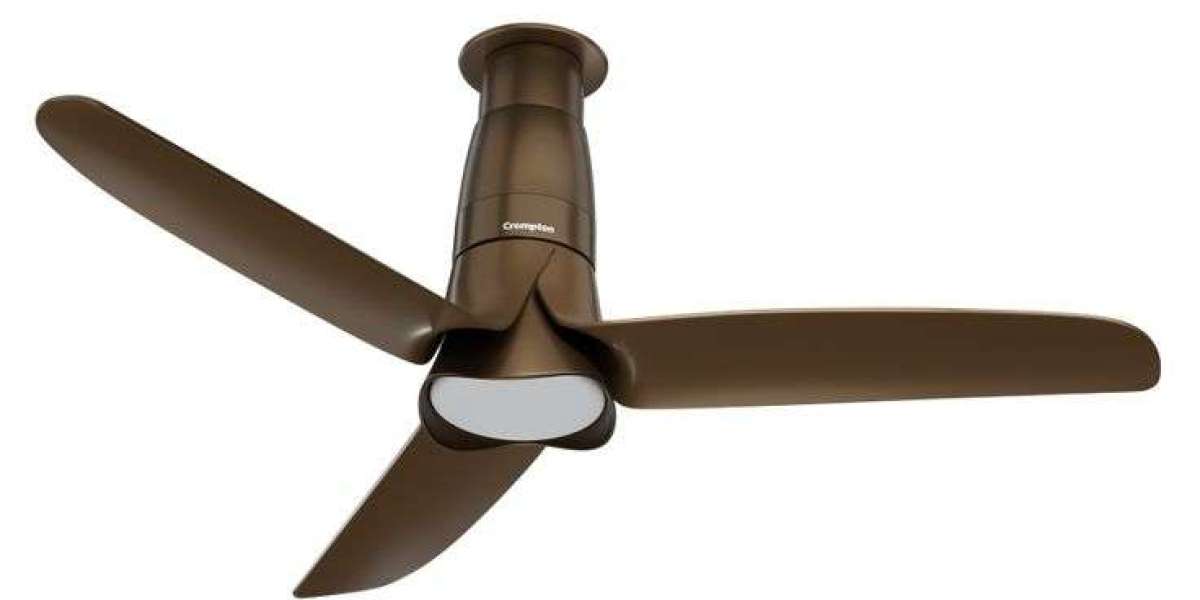
Firstly, you need to note that speed measures how fast blades rotate, not how effectively they cool. That’s why, the BLDC fan uses advanced electronics to manage airflow better than older motors. Rapid rotation creates chopped, turbulent air. This turbulence generates noise and resistance rather than a consistent, cooling breeze for the occupants.
Blade pitch
Different designs require different specific angles to move air efficiently without requiring excessive velocity. Steeper blade pitches can move larger volumes of air at lower speeds. This reduces the buffeting effect where air feels like it is hitting you in pulses. Smooth, consistent air movement is much more effective for evaporation on the skin.
Room size
Larger rooms require a higher air movement volume, measured in Cubic Feet per Minute (CFM). Instead of running a small unit at maximum speed, it is better to use a larger diameter. For a standard living room, aim for high CFM ratings. This ensures the air circulates throughout the entire room without needing noisy, high-speed settings.
Efficiency ratings
Modern motors provide many advantages in energy consumption and heat dissipation. For example, a BLDC motor fan can operate at peak performance while consuming up to 70% less electricity than older induction models. These motors do not get hot, meaning they do not add warmth to the very air they are circulating.
Noise levels
High speeds result in mechanical and wind noise that disrupts sleep and conversations. Because brushless technology allows for precise control, you can achieve the perfect balance of sound and breeze. This is particularly helpful in-home offices or bedrooms where a quiet environment is necessary for concentration or resting through the night.
Construction quality
Check the materials used in the blades and the motor housing for durability. Aerodynamically shaped blades made from high-grade ABS (Acrylonitrile Butadiene Styrene) perform better than flat metal blades. These designs are sculpted to slice through the air quietly. Always refer to the technical specifications to understand the motor construction and the expected longevity of the fan you choose.
Cost savings
Switching to efficient cooling technology can lead to great financial benefits over time. While the upfront purchase price can be higher, the monthly savings on electricity bills are huge. You could save approximately Rs. 1,500 per year for every unit replaced. Over five years, this adds up to a saving of Rs. 7,500 in energy costs.
Conclusion
These tips will help you understand airflow physics better and choose the best cooling solution for your home. By focusing on efficiency and blade design rather than just speed, you create a much more peaceful and sustainable living space for your family.