A misshapen, domed back yard burger is quite different from a professional, restaurant quality hamburger. One of the most frequent complaints when grilling or pan-searing is the loss of a wide, flat strip of seasoned beef to a thick round chunk of meat, like a hockey puck.
This change is a predictable thermodynamic and biological reaction and not an accident. As soon as raw meat comes into contact with a hot cooking surface, there are sudden changes to the moisture content and structure of the meat. Once you know what causes these burger patties to lose their shape during cooking, you can make some simple changes to your burger to ensure a perfectly flat, even, and juicy patty every time.
Science Behind Shrinking and Puffing
Explore how things shrink and puff!
In order to avoid a burger mutating while on the grill, it is necessary to first understand the 2 separate physical phenomena that are happening at the same time, namely the contraction of the muscle fibre and the steam expanding within.
1. Thermal Protein Coagulation (The Shrink)
Meat consists mostly of water, fat, and protein fibers (myosin and actin). These protein strands are loosely coiled and relaxed in their natural state. At a temperature between 140°F and 160°F, however, the proteins in the meat undergo a process called coagulation or denaturation.
Due to the heat, the protein chains contract, relax and become firmly attached. They contract and are like a wringing sponge that squeezes water out of them and melts fat. Since muscle fibres are lengthwise, the whole circumference of the patty is being pulled towards the centre and the overall diameter of the patty will inevitably be reduced.
2. The Center Trap (The Puff)
The heat penetrates the patty from the outside in and the edges of the patty cook quickly. As the moisture in the middle of the burger warms up it turns into steam. The outer layer of meat is compacted and hard when it is cooked, so there is no room for steam and juices to escape. The centre of the patty buckles up towards the outside due to the pooling of these ingredients, which is undesirable as is the dome formed.
The Perfectly Flat Patty Blueprint
To stop your burgers from puffing, you need to change the shape of the meat before you put it in the pan. Follow this step-by-step, science-based order to keep control of your blend's structure.
Form an Oversized Disc: Step 1
It's important to consider that the meat will shrink by approximately 20% to 25% of its original diameter during the thermal protein contraction process, so it is important to always form raw patties slightly larger than the size of the hamburger bun that you will use.
Create the Classic Dimple: Step 2
Using the back of a spoon or thumb, make a small "pit" (indentation) in the middle of the raw patty 1/4 inch deep. This intentional crater allows for the steam and expanding juices to collect without creating a domed shape for the entire patty when the expansion of the patty comes.
Refrigerate patties for 15-30 minutes before cooking to shape and indent. Fat does not melt when it's chilled. If the fat is warm when it touches the grill, it melts immediately and causes fast shrinkage, dry meat and warping of the structure.
Sear and Resist the Press:
Lay the chilled patty down patty-side up, on a hot and greased cooking surface. Bake, do not turn over, forming a strong crust. Important, don't use the spatula to press down on the patty when cooking. Pressing will not keep the burger from puffing; it just squeezes out the inside juices, resulting in a tough burger.
Preserving Commercial Product Quality
If you're a gourmet burger restaurant, pop-up or food delivery service, you need to master at least the physical geometry of the burger patty on the grill. The end goal is to bring that juicy, flat burger to market, keeping the heat and appearance intact.
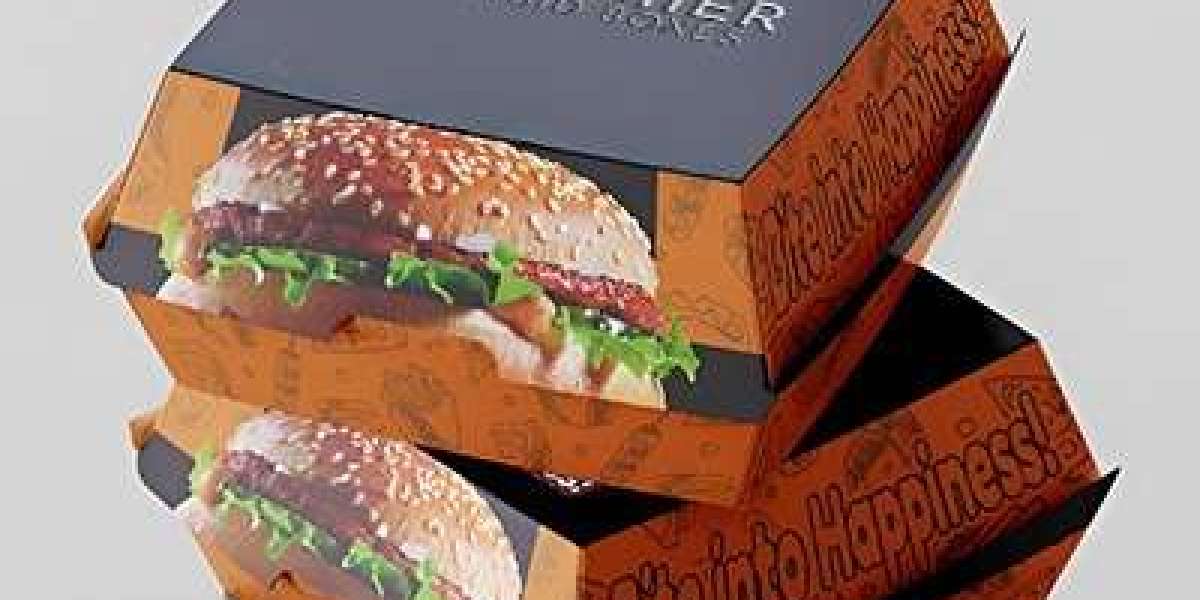
A hot, freshly cooked burger is added into the poor ventilation, the steam will quickly make the crispy and perfectly toasted bun into an unappetizing mess. The high-quality, sturdy mini burger boxesaddresses this conundrum. These top-of-the-range boxes are made with special ventilation slits and heatproof and greaseproof walls, which safely transfer excess steam out of the box while keeping the necessary thermal heat in place, so that your perfectly flat, scientifically optimized burger will be received at the customer's door the same way that the chef intended.
Final Words
But the problem of small and bloated burger patties is a problem that can be solved with basic physics and thermal management. When you take into consideration the inevitable shrinking of meat proteins, and make a small dent in the center, you get a simple burger center that helps you to keep your burger at a consistent thickness, which will perfectly fit your buns. From the home cook to the business chef, this combination of accurate, efficient, non-greasy cooking methods and breathable, delicious structural packaging guarantees perfect flavor, appearance and a top-notch dining experience every time.