For many hardware companies, the SMT PCBA quotation is one of the most confusing parts of the sourcing process.
Two suppliers quote very different prices for what appears to be the same board—and no one clearly explains why.
This article breaks down SMT PCBA pricing structure in detail, explains where costs actually come from, and shows practical, engineering-backed ways to reduce total cost—not just the unit price.
1. Why SMT PCBA Quotes Often Look “Unclear”
The real concern
Buyers frequently ask:
Why does SMT PCBA pricing vary so much between suppliers?
Which costs are fixed, and which are scalable?
Where does the BOM cost inflate unexpectedly?
The problem is that many quotations only show a final number, without explaining cost drivers.
A professional SMT PCBA quote should always be understood as a combination of manufacturing, materials, testing, and supply chain risk.
2. SMT PCBA Cost Breakdown: What You Are Actually Paying For
A transparent SMT PCBA quotation can be divided into four core components.
2.1 SMT Assembly Cost
This includes:
Solder paste printing
Pick-and-place operations
Reflow soldering
Basic line setup
Key cost drivers:
Number of components
Component density and package types (BGA, QFN, fine-pitch parts)
Board size and panelization efficiency
2.2 Testing and Quality Control Cost
Testing is not optional—it directly affects yield and field reliability.
Typical cost elements include:
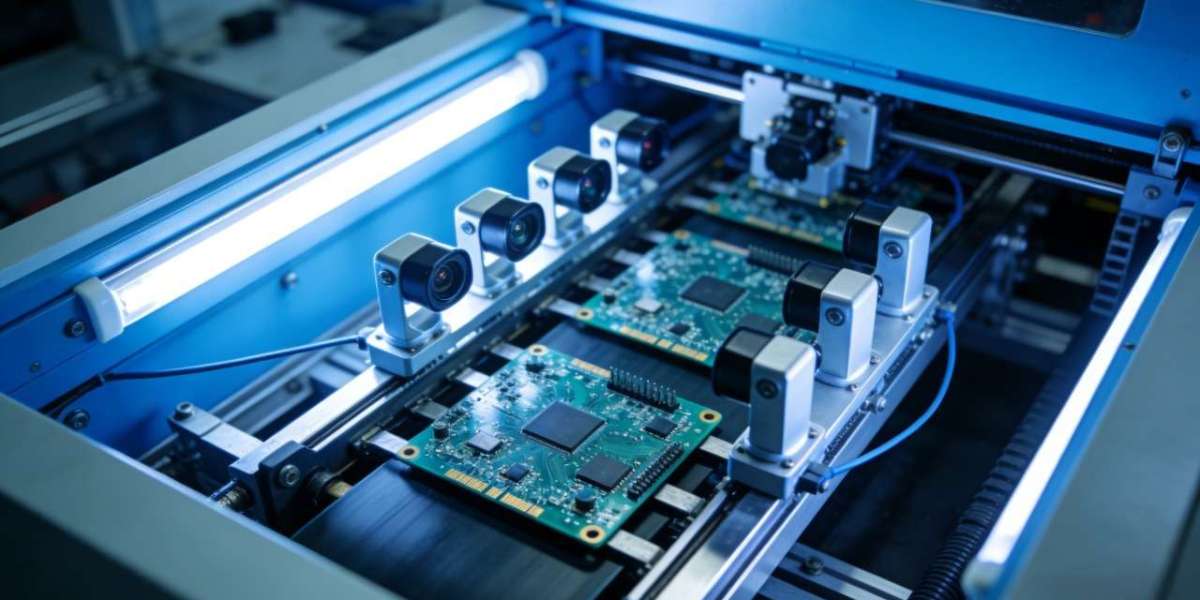
AOI inspection
Functional testing
X-ray inspection for hidden joints
Low quotes often minimize this section, which may reduce upfront cost but increase long-term failure risk.
2.3 BOM and Component Cost
This is usually the largest portion of the SMT PCBA cost.
BOM cost is influenced by:
Component sourcing channels
Availability and lifecycle status
Packaging and MOQ constraints
One major reason for BOM inflation is poor BOM optimization early in the project.
With a strong engineering team and stable supply chain resources, Sanshun Smart supports PCBA BOM optimization, helping customers:
Identify cost-effective alternatives
Avoid EOL or high-risk components
Reduce unnecessary over-specification
This directly lowers total SMT PCBA cost—not just assembly price.
2.4 Non-Recurring Engineering (NRE) and Setup Costs
Especially relevant for prototypes and low-volume builds.
Includes:
Line setup
Programming
Engineering review
Suppliers with structured NPI processes can amortize these costs efficiently, making small-batch SMT PCBA far more economical.
3. Small-Batch vs Medium/High-Volume SMT PCBA: Cost Differences Explained
Low-Volume / Prototype SMT PCBA
Typical challenges:
Higher setup cost per unit
Lower component price leverage
Cost optimization strategies:
Panelization optimization
Flexible line scheduling
Engineering-led DFM review
Medium & High-Volume SMT PCBA
Cost advantages come from:
Automated placement efficiency
Bulk component procurement
Yield improvement through process tuning
Here, process stability and supply chain strength matter more than headline unit price.
4. How to Reduce Total SMT PCBA Cost (Not Just the Quote)
Practical cost reduction methods that actually work:
BOM optimization before mass production
Early DFM feedback to reduce rework
Choosing the right testing level—not under-testing
Aligning batch size with manufacturing efficiency
The most cost-effective SMT PCBA projects are those where engineering, sourcing, and production decisions are aligned early.
This is why manufacturers with in-house engineering teams—like Sanshun Smart—deliver better long-term cost outcomes than assembly-only suppliers.
5. Why Transparent Quotation Matters More Than the Lowest Price
A low SMT PCBA quote can hide:
Inadequate testing
Unstable sourcing
High failure risk in later stages
A transparent quotation reflects:
Clear cost structure
Predictable production outcome
Lower total cost of ownership
Sanshun Smart emphasizes clear communication and realistic SMT PCBA pricing, allowing customers to make informed decisions rather than chasing artificially low numbers.
6. When to Request an Online SMT PCBA Quote
You should request a detailed SMT PCBA quotation when:
Your BOM is stable or near-stable
You want cost feedback before scaling
You need engineering input for optimization
Online quotation and fast estimation tools help shorten decision cycles and identify cost issues early—before they become expensive problems.
Conclusion: Smart SMT PCBA Pricing Is About Control, Not Guesswork
Understanding SMT PCBA cost structure empowers buyers to:
Compare suppliers fairly
Reduce BOM inflation
Avoid hidden risks
By combining:
Automated SMT PCBA manufacturing
Engineering-driven BOM optimization
Integrated quality control
Transparent pricing logic
Sanshun Smart helps customers reduce total SMT PCBA cost, not just the number on the quote.